

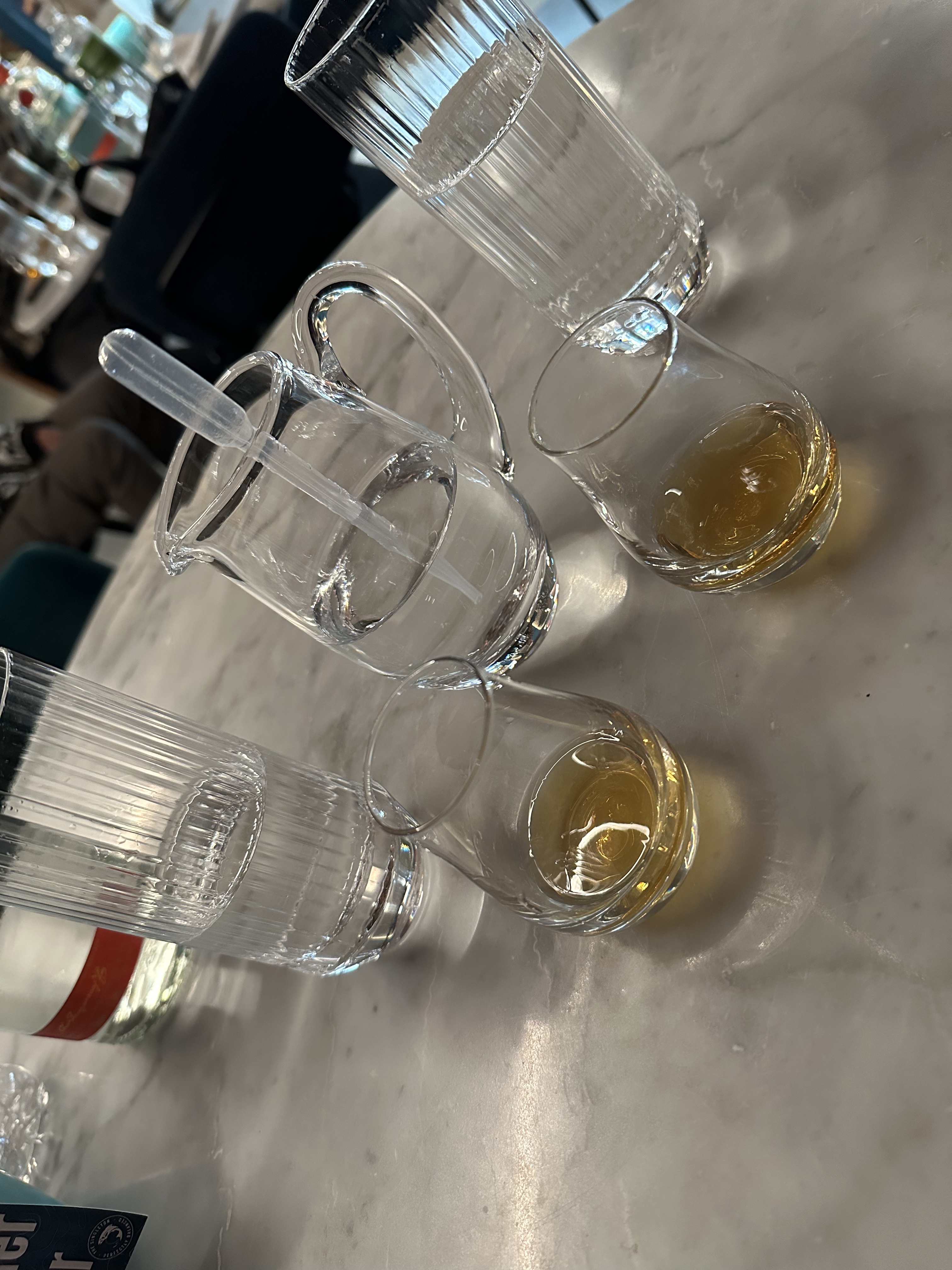
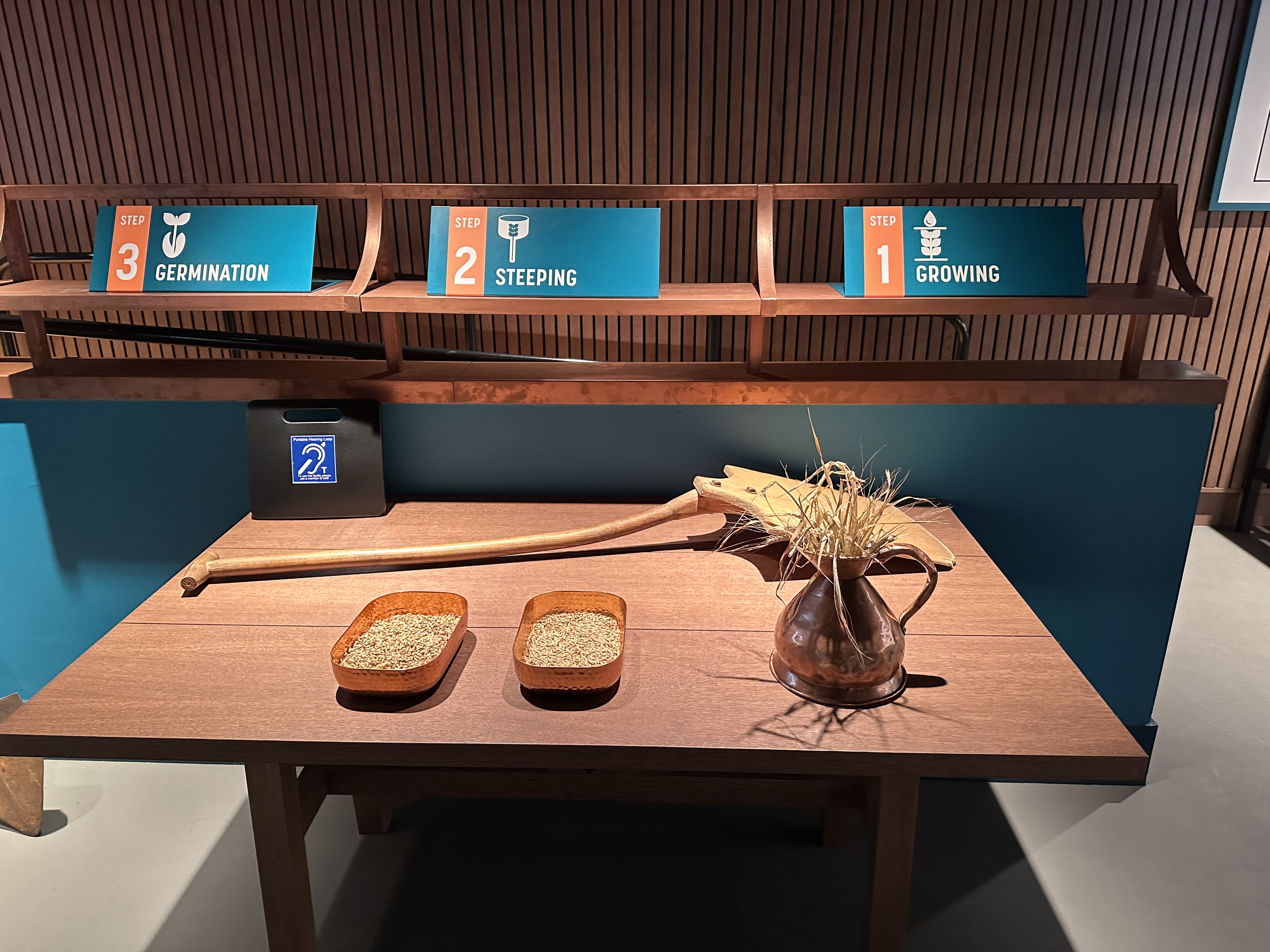
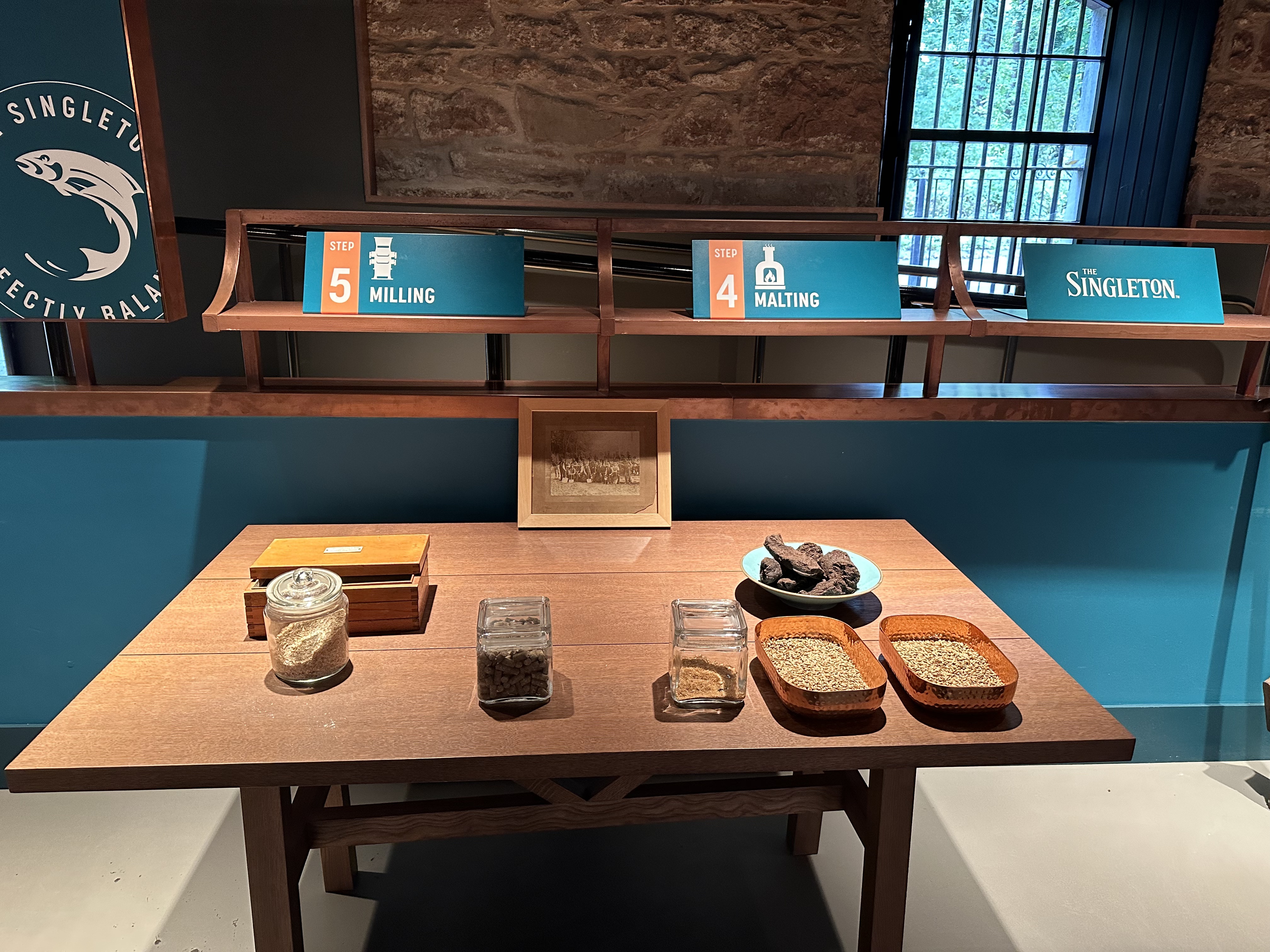
Back in the van, we made our way to The Singleton Distillery. The distillery has a long history and has gone by a couple different names, I think due to various changes and business mergers over time. Much of their product is aged in American oak barrels, lending a sweetness and nuttiness to the flavor though a smaller portion is aged in European sherry casks. Master of Malts Keith Law draws on his more than three decades of experience to blend the whiskys into The Singleton Glendullan aged 12, 15, or 18 years. Our group participated in a whisky tasing led by our driver. We had the option of purchasing one, two, or three samples. R and I decided to share the samples and try the 12 and 15 year blends. We also had lunch at the distillery which is a charcuterie style meal. Some of the items were enjoyable and others were a bit pungent for my palate.


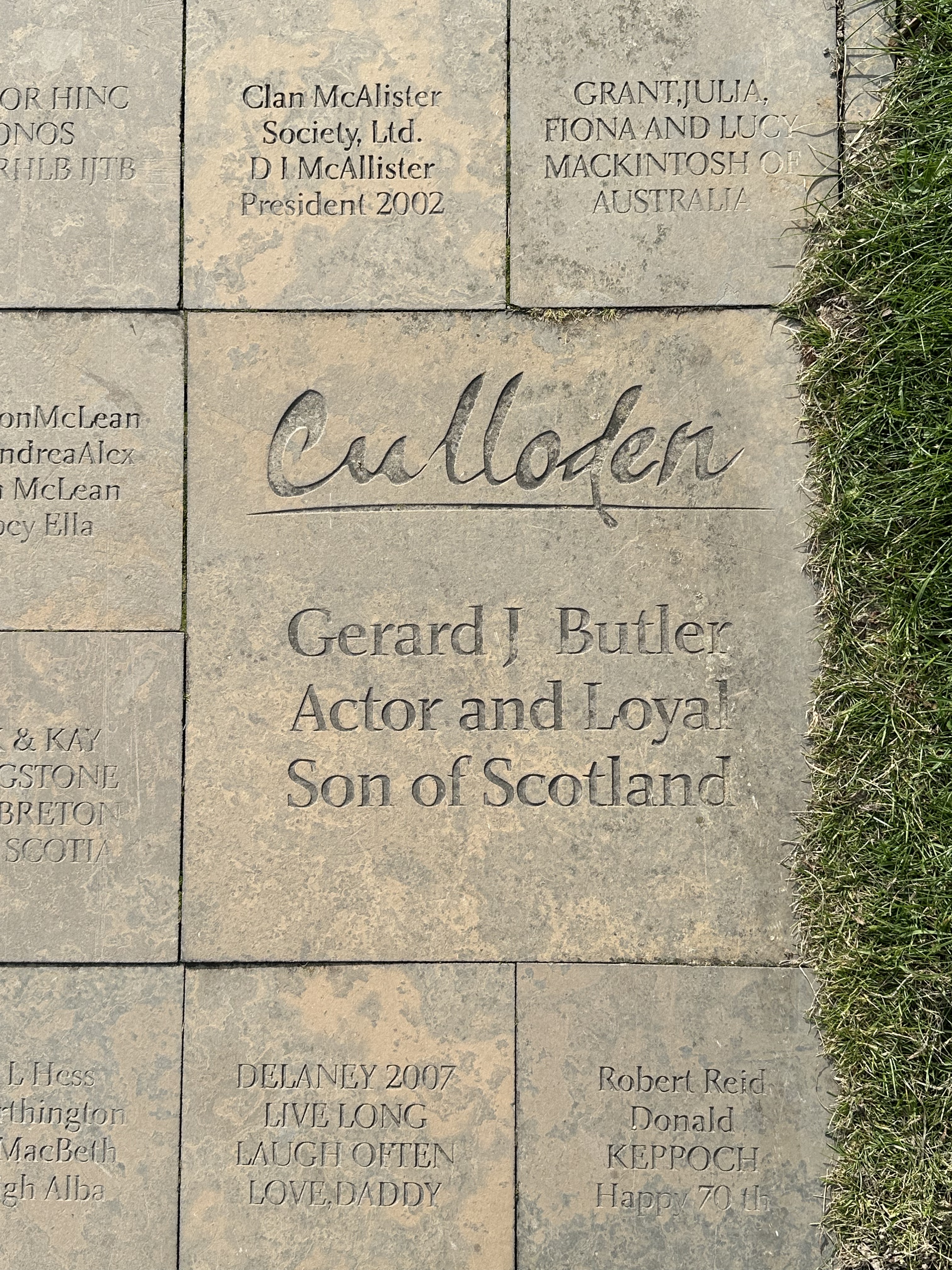
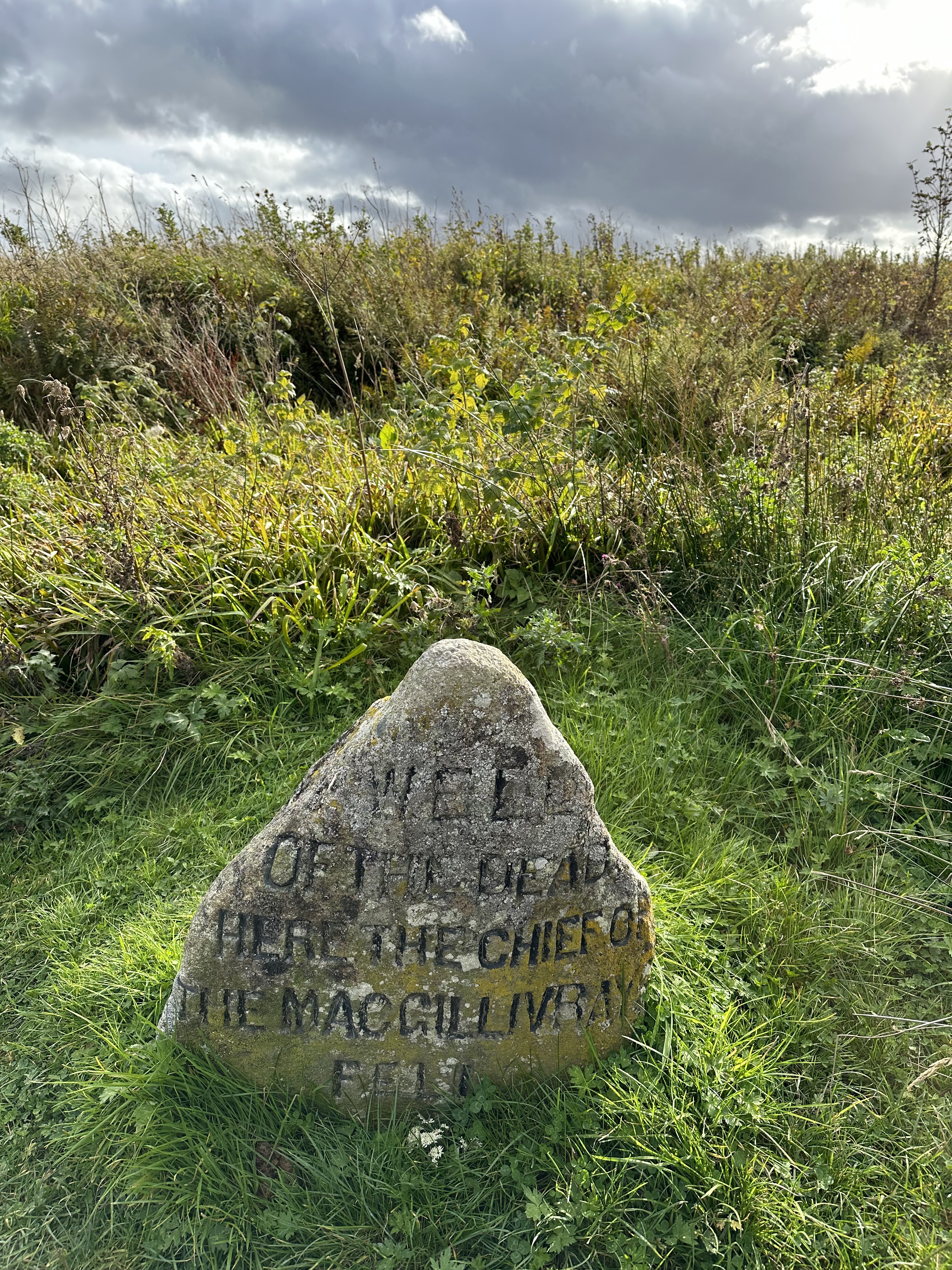
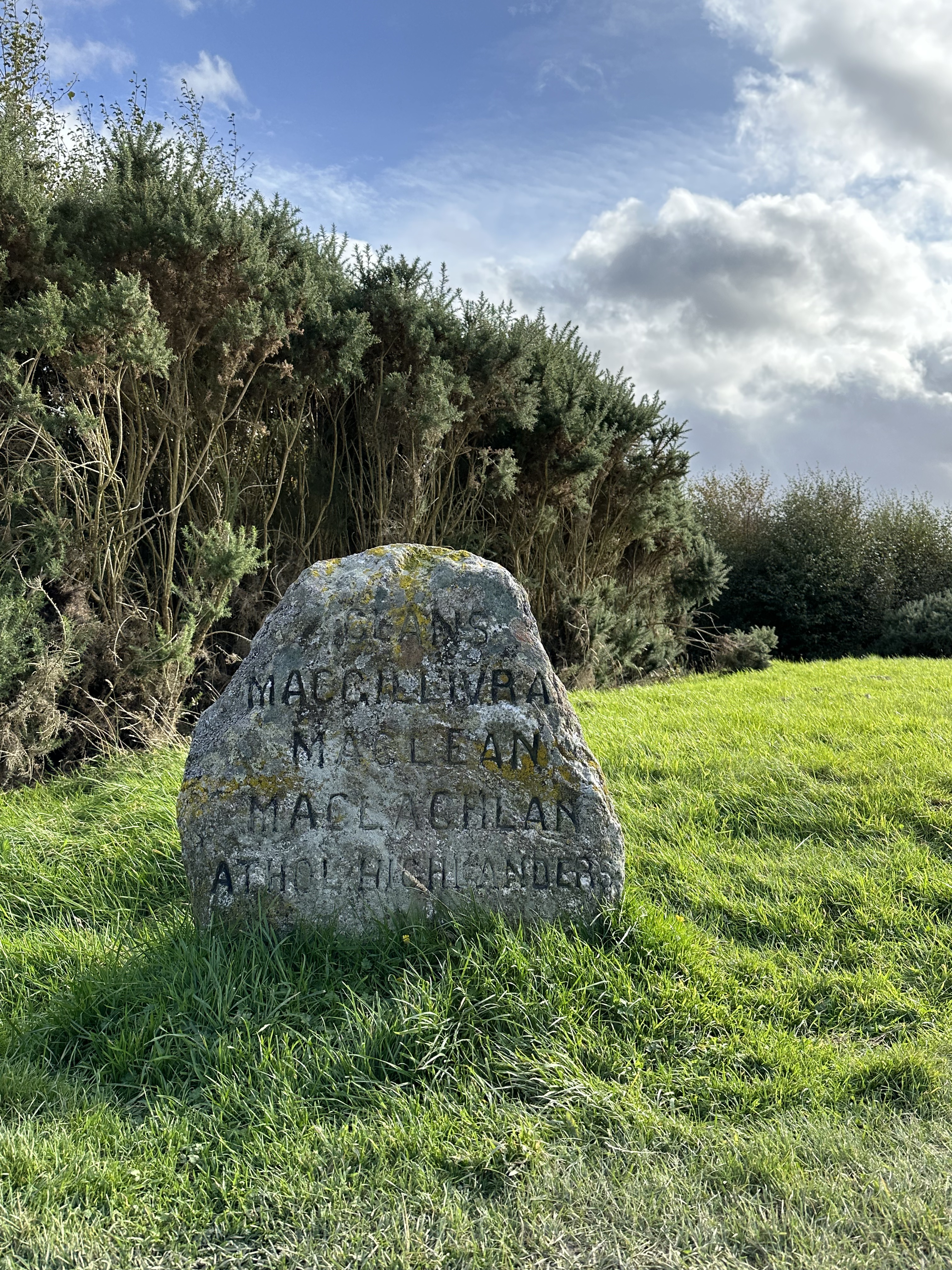
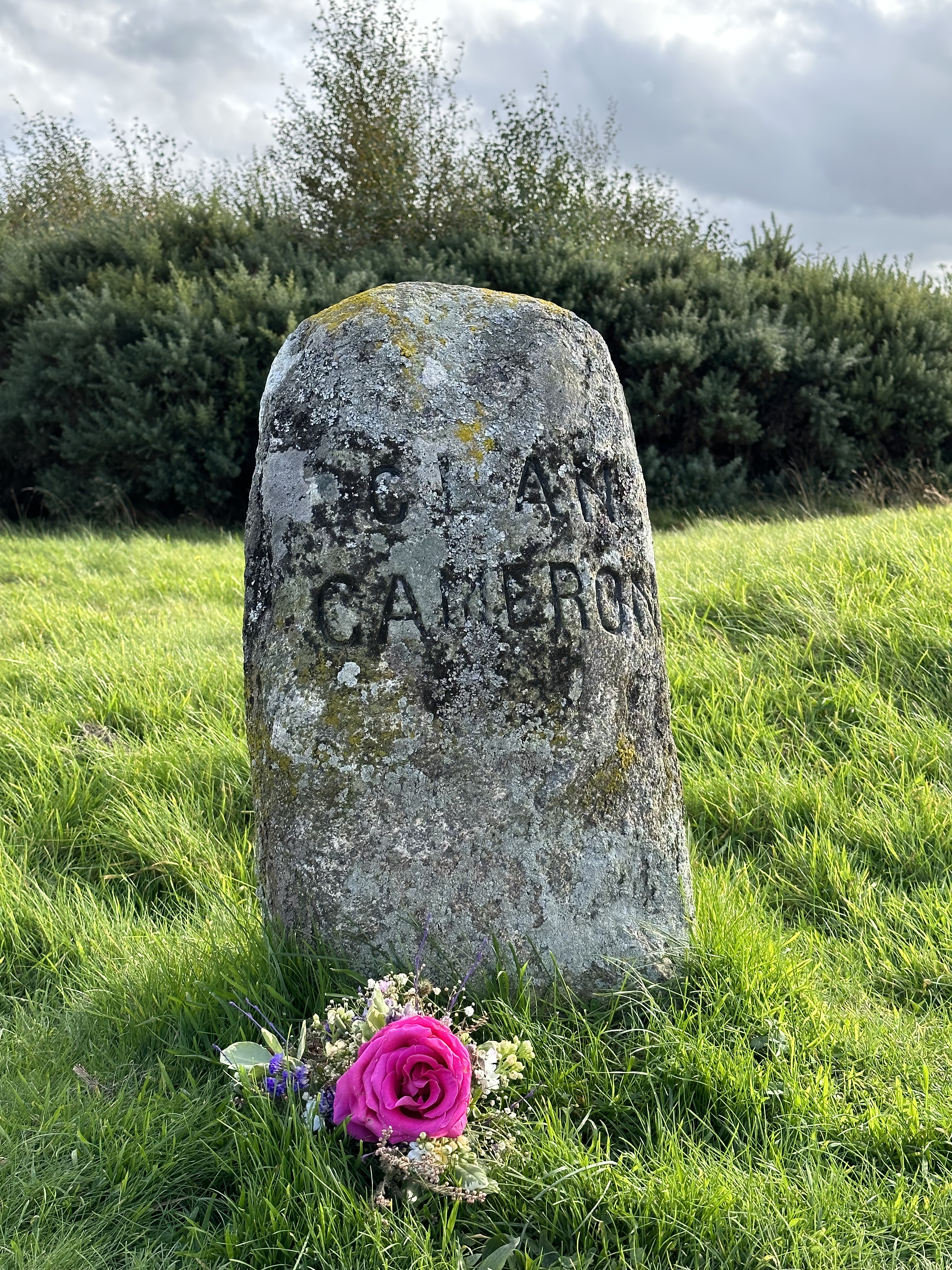
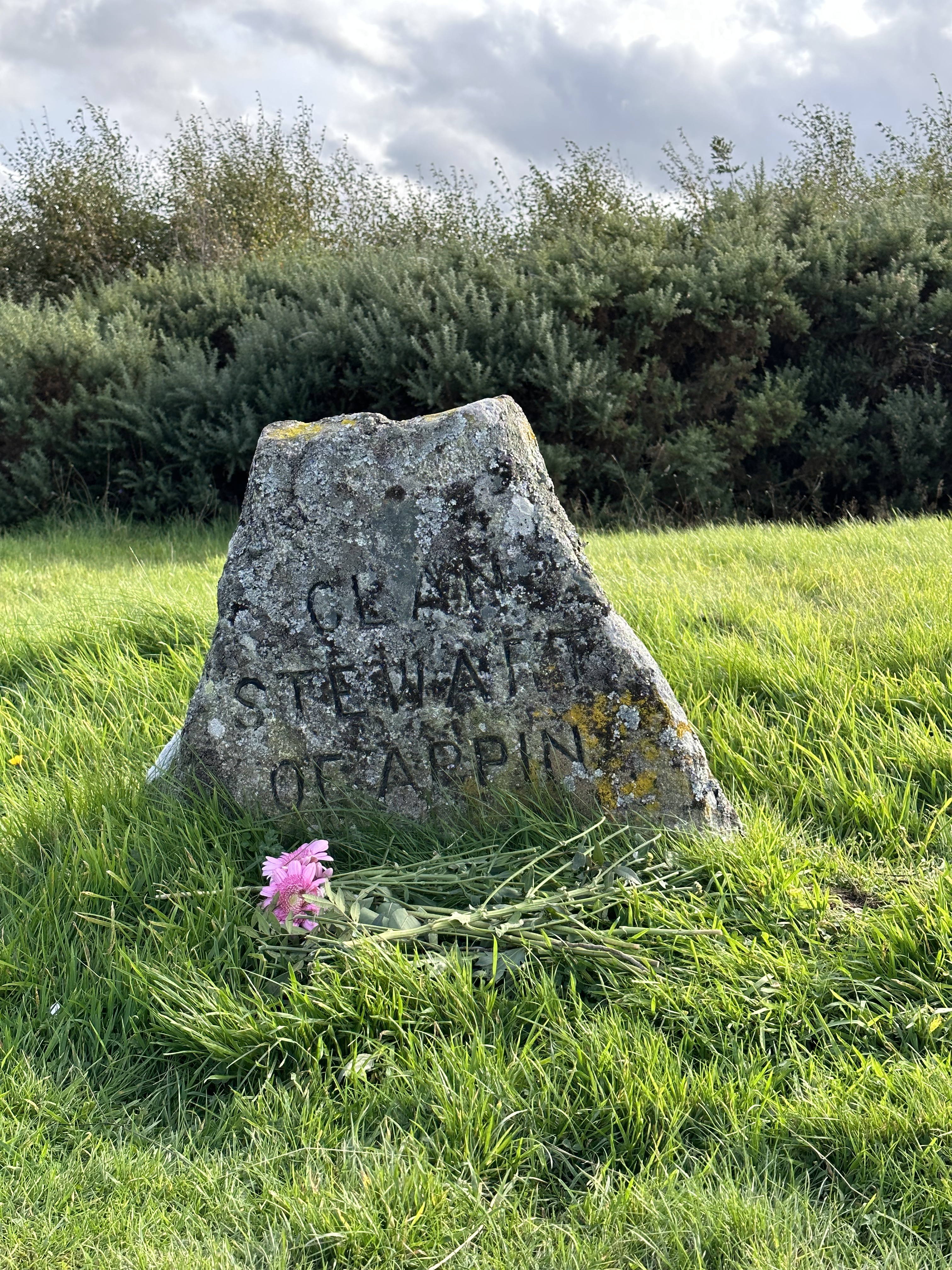
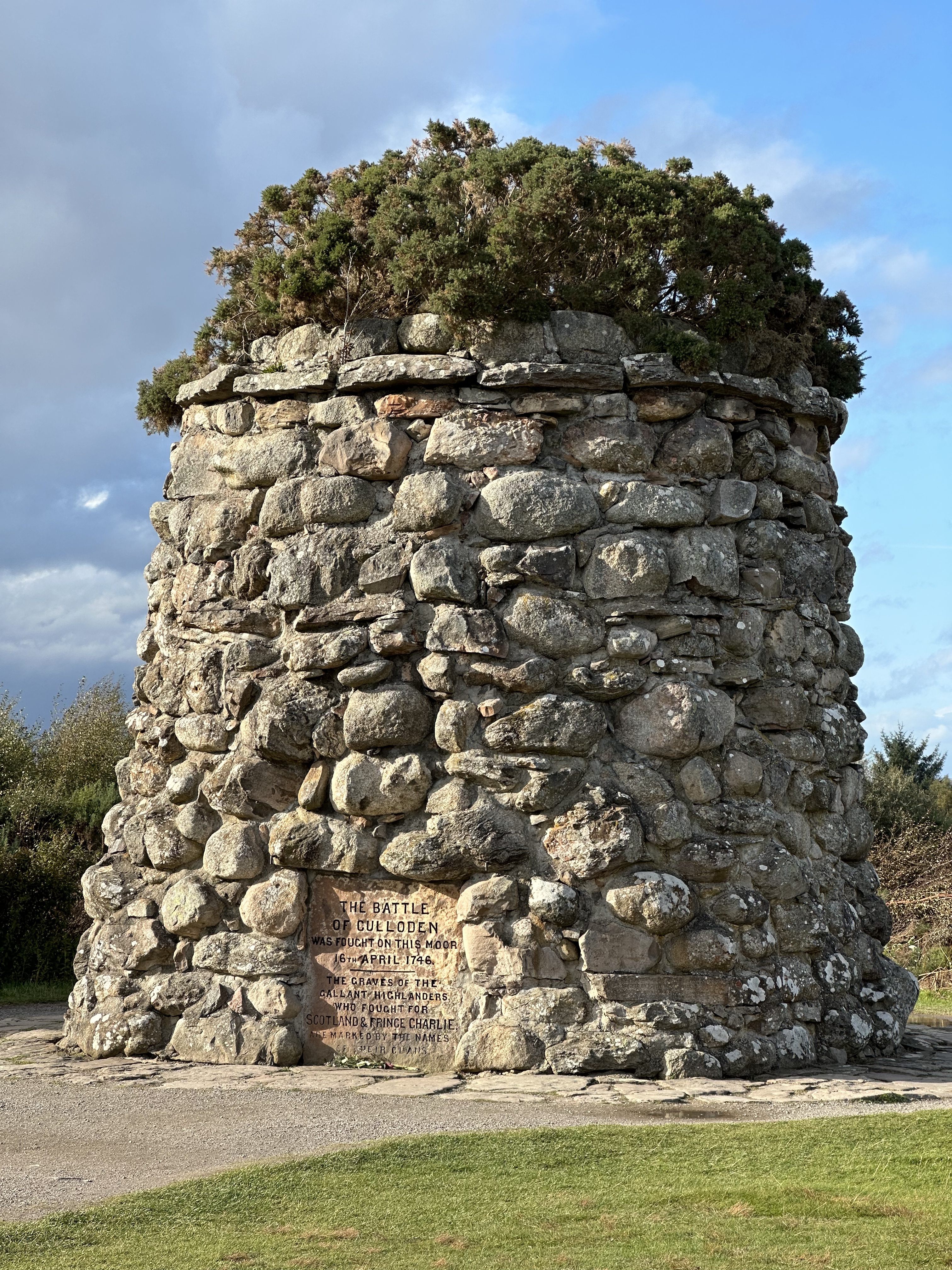
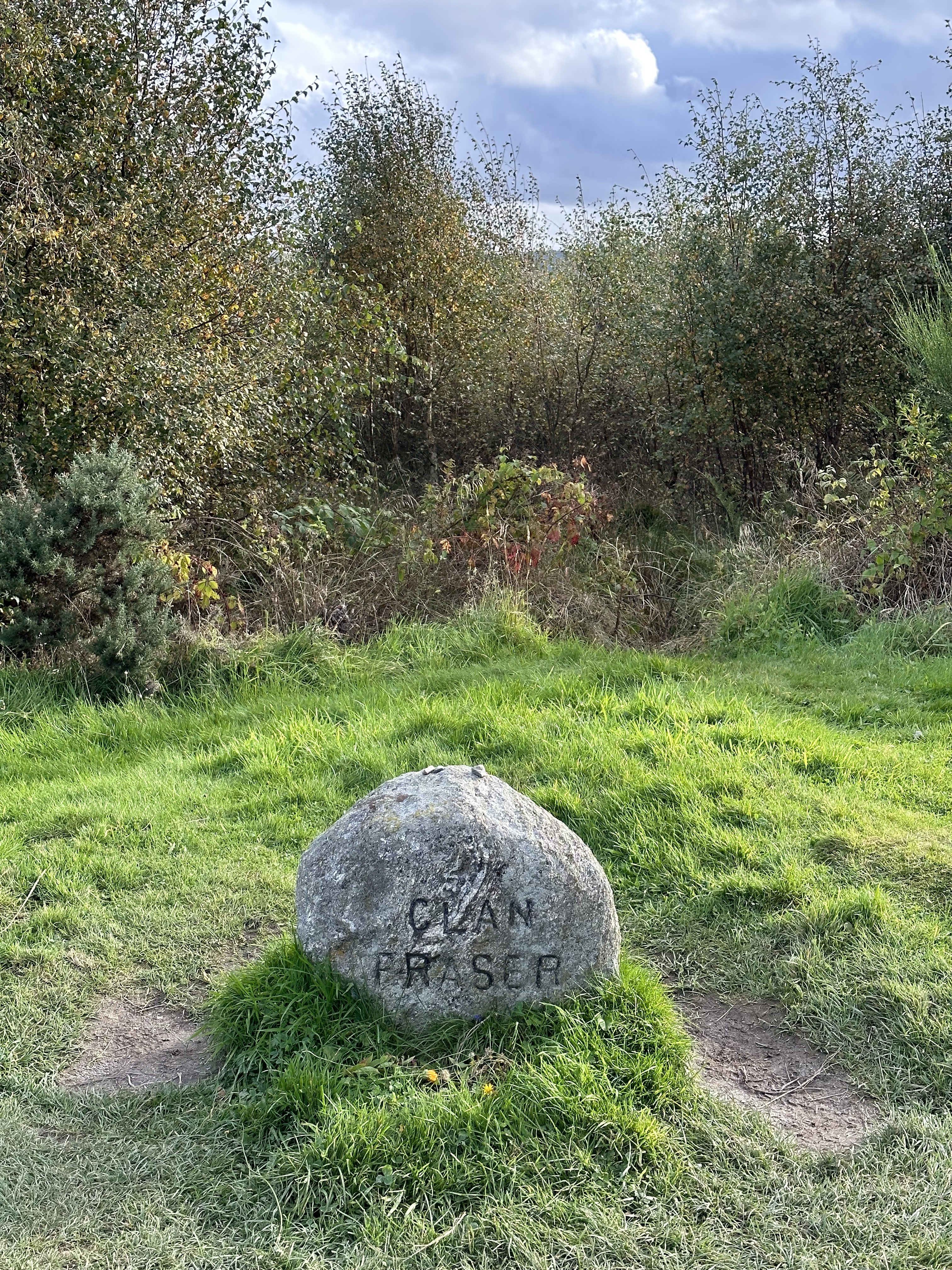
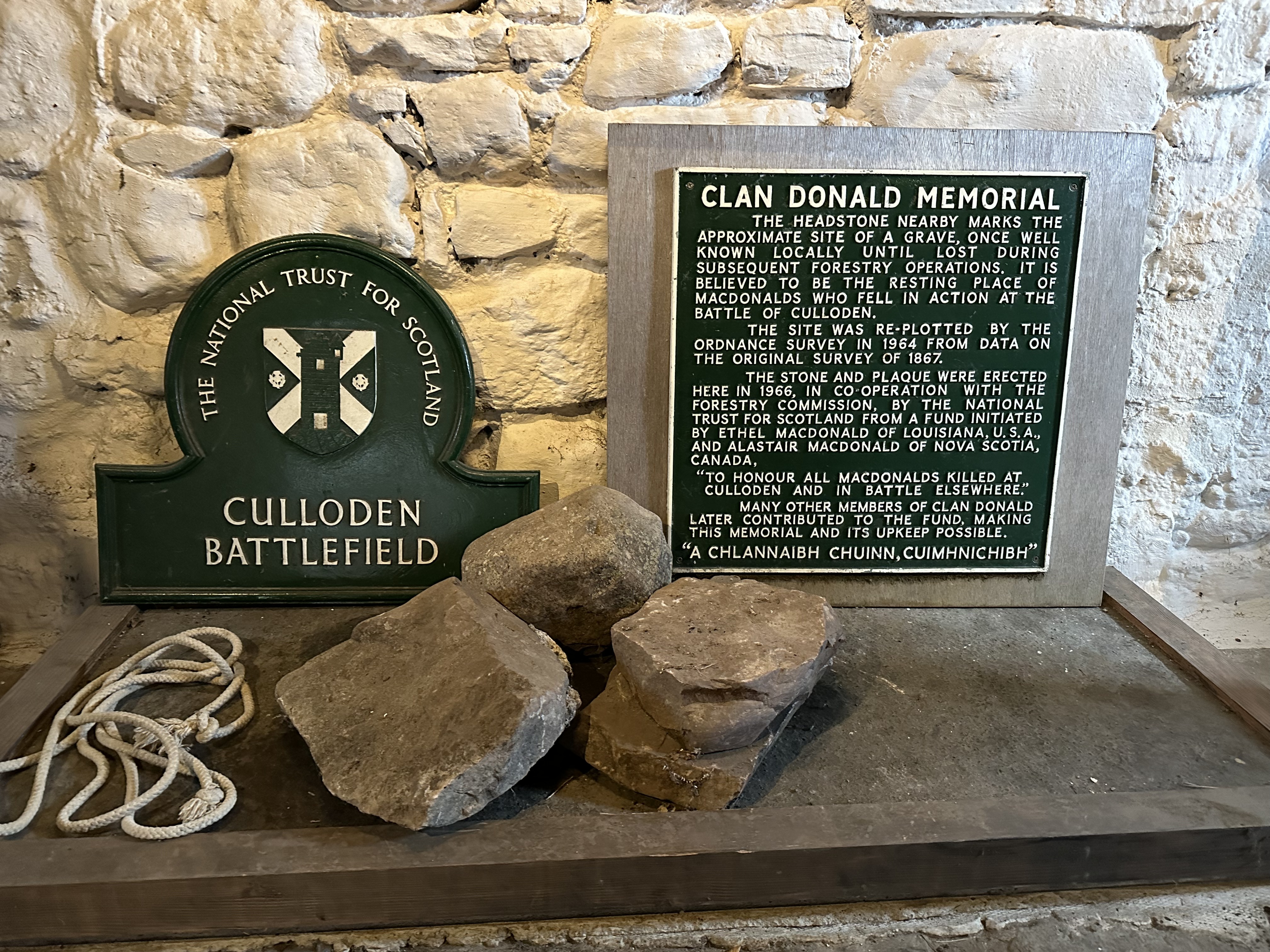
As the sight of last battle on British soil and with dire consequences for the Scottish Highlands, Culloden is a somber destination. The Battle of Culloden marked the end of the Jacobite Rising of 1745. It was here, on April 16, 1746, that 1,300 men were killed in a span of one hour; 1,250 were Highlanders.

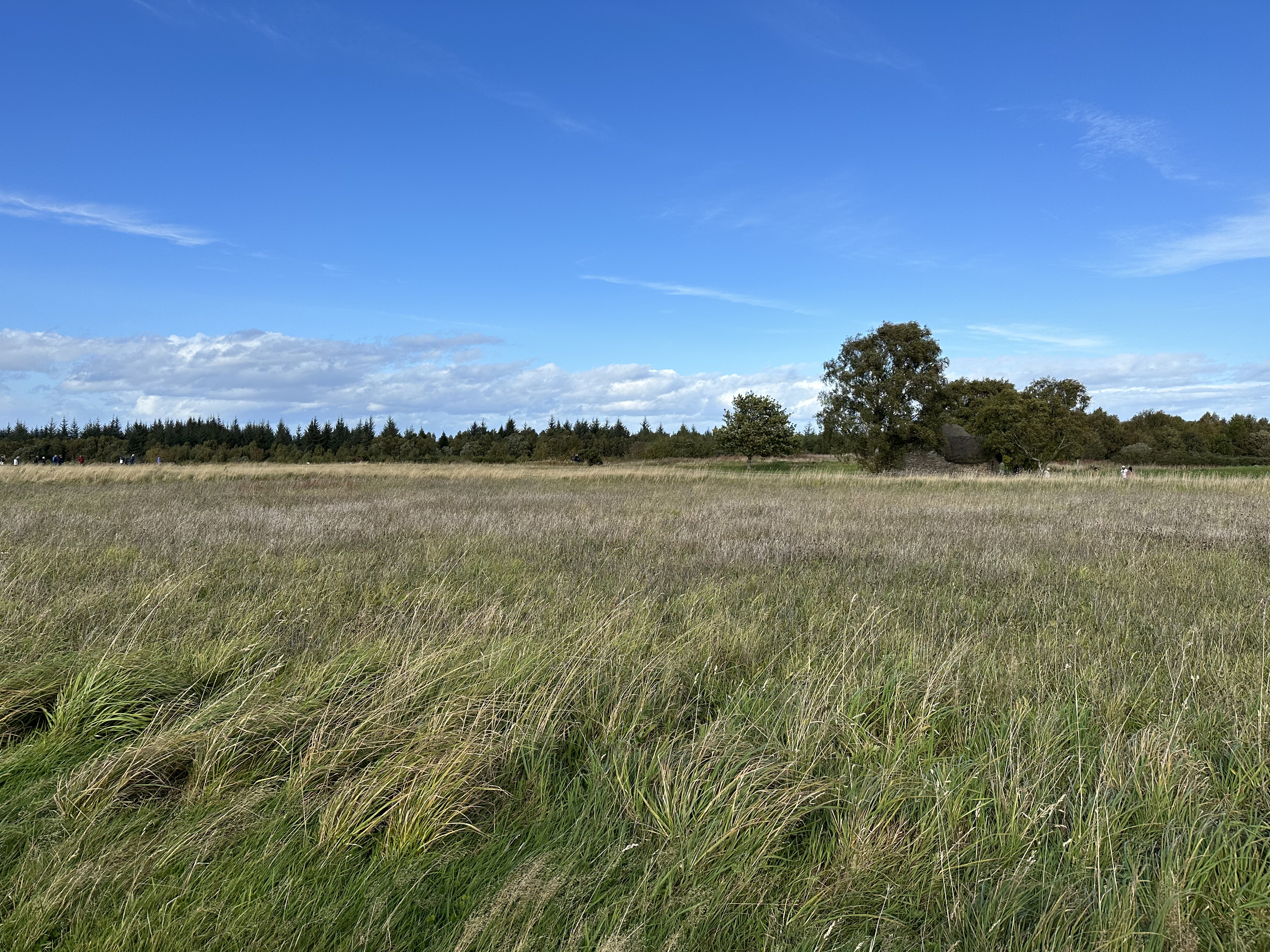
The Jacobites sought to restore the exiled James VIII as king and were led by James’s son, “Bonnie” Prince Charles Edward Stuart with strong support from the Highland Clans. King George II’s government army, led by the Duke of Cumberland, were determined to prevent this. The Jacobite army, mainly if not exclusively comprised of Highlanders, was in short supply of food and money while Cumberland’s forces were well-fed and in good order. A surprise night attack of Cumberland’s troops proved unsuccessful as the Jacobites turned back after finding Cumberland’s troops wide awake and celebrating his birthday. Rather than withdraw, regroup, and strategize, Prince Charles decided to fight.
This decision would alter Scottish history and the Highlands forever as the exhausted Highlanders suffered immense casualties in the short, bloody battle. Highland culture, clan culture, and Scottish Gaelic, the language of the Highlands, was nearly completely exterminated in retaliation. The Gaelic Language Act of 2005 was a major milestone in efforts to revitalize and promote Gaelic language in public life and education, and is part of efforts to secure the status of Gaelic as an official language of Scotland. Our tour group spent roughly an hour at Culloden. I could have easily spent 2 hours there and avid historians could spend double that time.
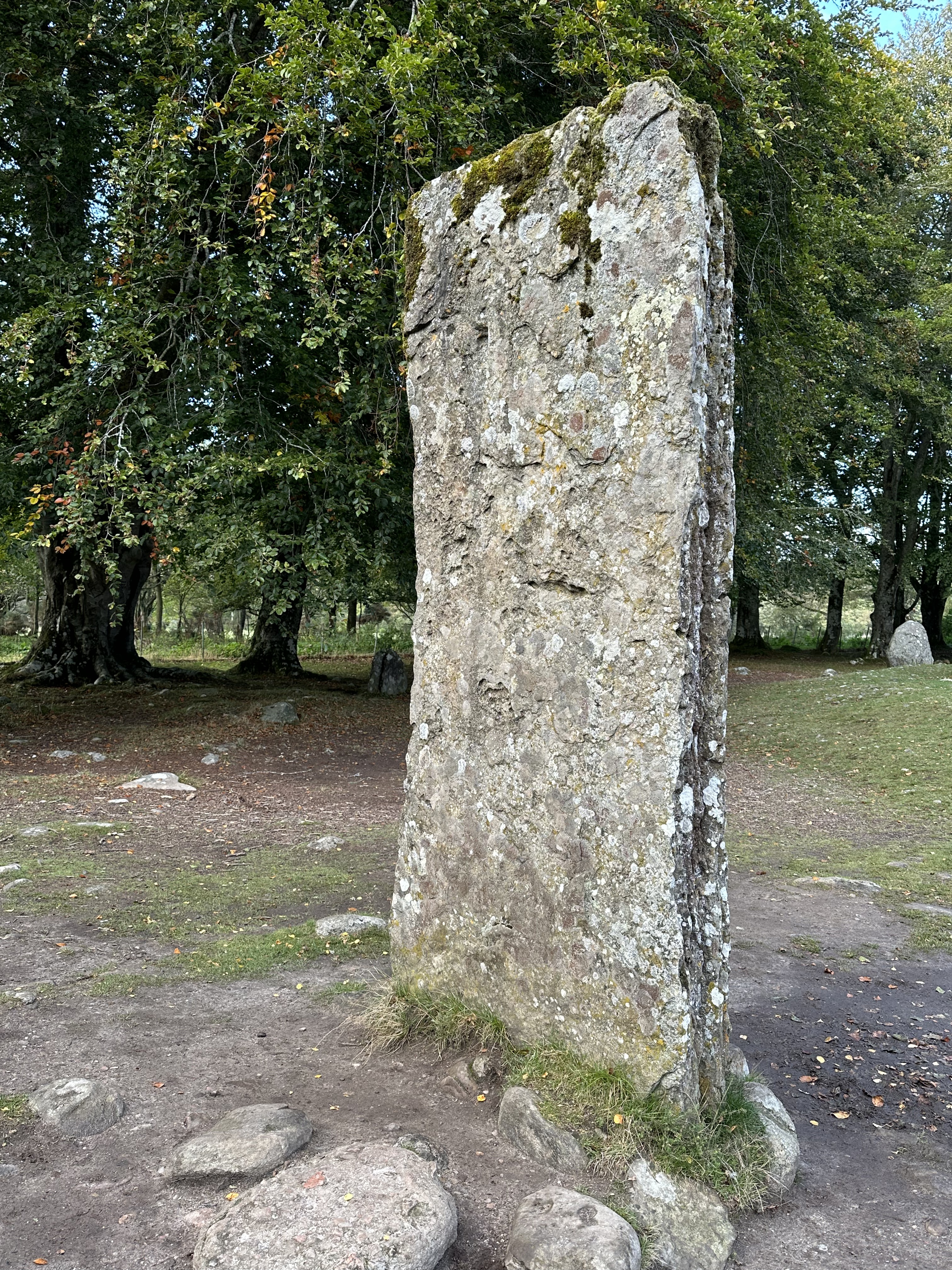
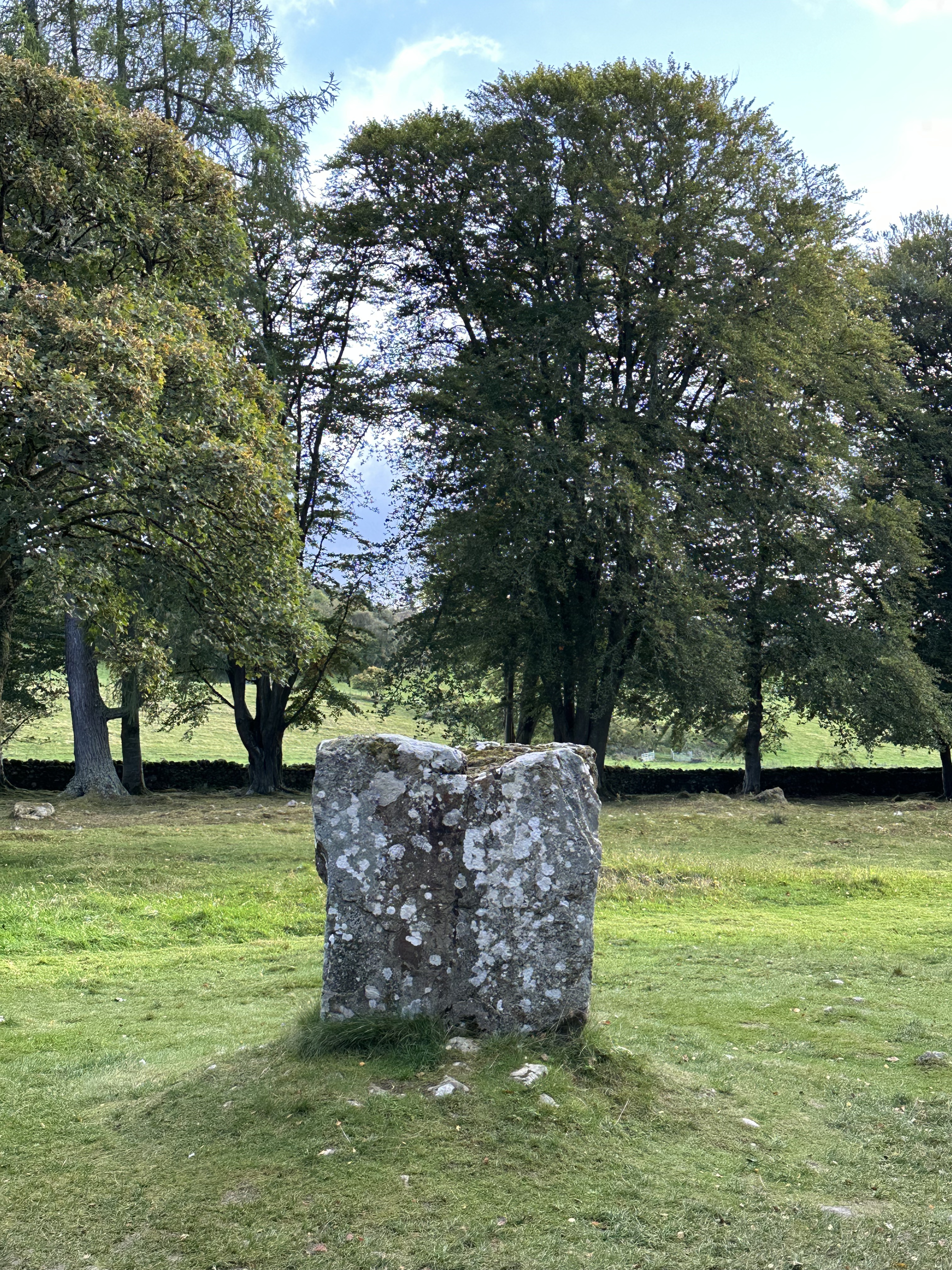
The final stop on our tour was at the standing stones at Clava Cairns. The cairns seen today were built approximately 4,000 years ago. Three stand today though there may have once been two more. One thousand years after the cairns were built, the cemetery was reused. New burials were placed in existing cairns and smaller monuments were built. Fans of the Outlander book and/or television series will particularly enjoy Clava Cairns.


We didn’t think too much about making advance dinner reservations which was a lesson learned. Even in the shoulder and off seasons, reservations are a good idea. We ended up having dinner at Zizzis Pizza. We waited nearly an hour to get a table but the food was good.
 Travel with Fleming
Leave a comment