

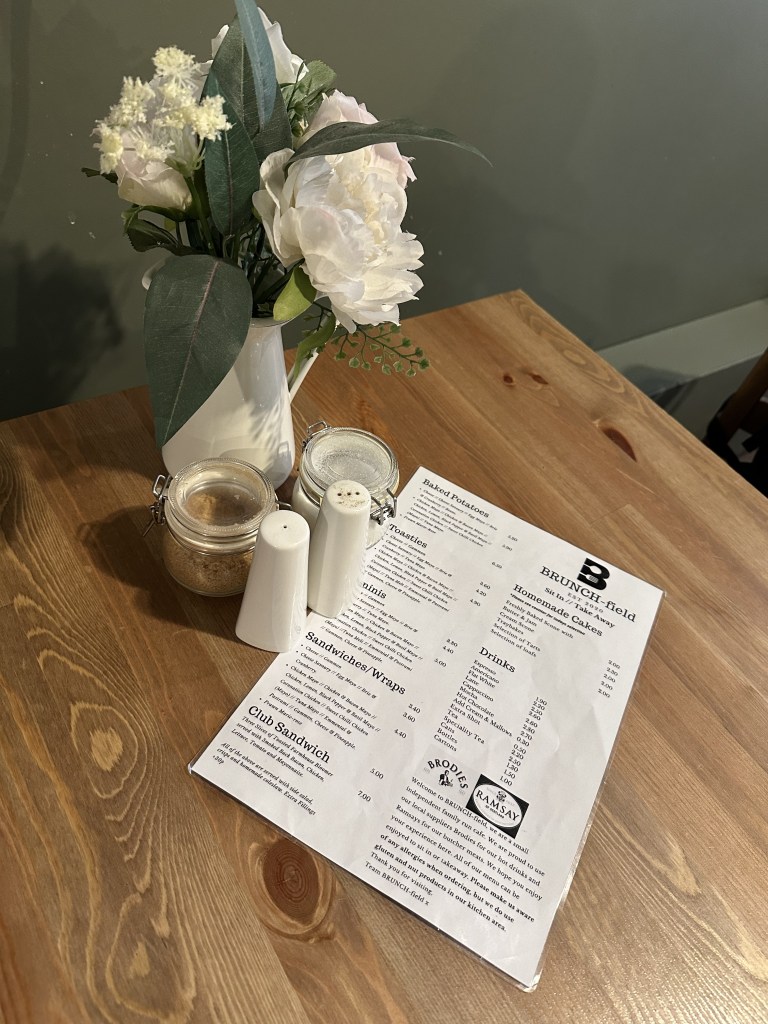
This morning I found a lovely little family owned café just across the street from our AirBnB called Brunchfield Place. R and I popped in and enjoyed a small breakfast of scrambled eggs, sausage, potato scone (this ate more like a pita bread and less like the scone I was expecting but it was tasty), and toast. The café owner was very attentive and chatted with us about our plans for the day. She was also our server, cook, and cashier and just a lovely lady to chat with.
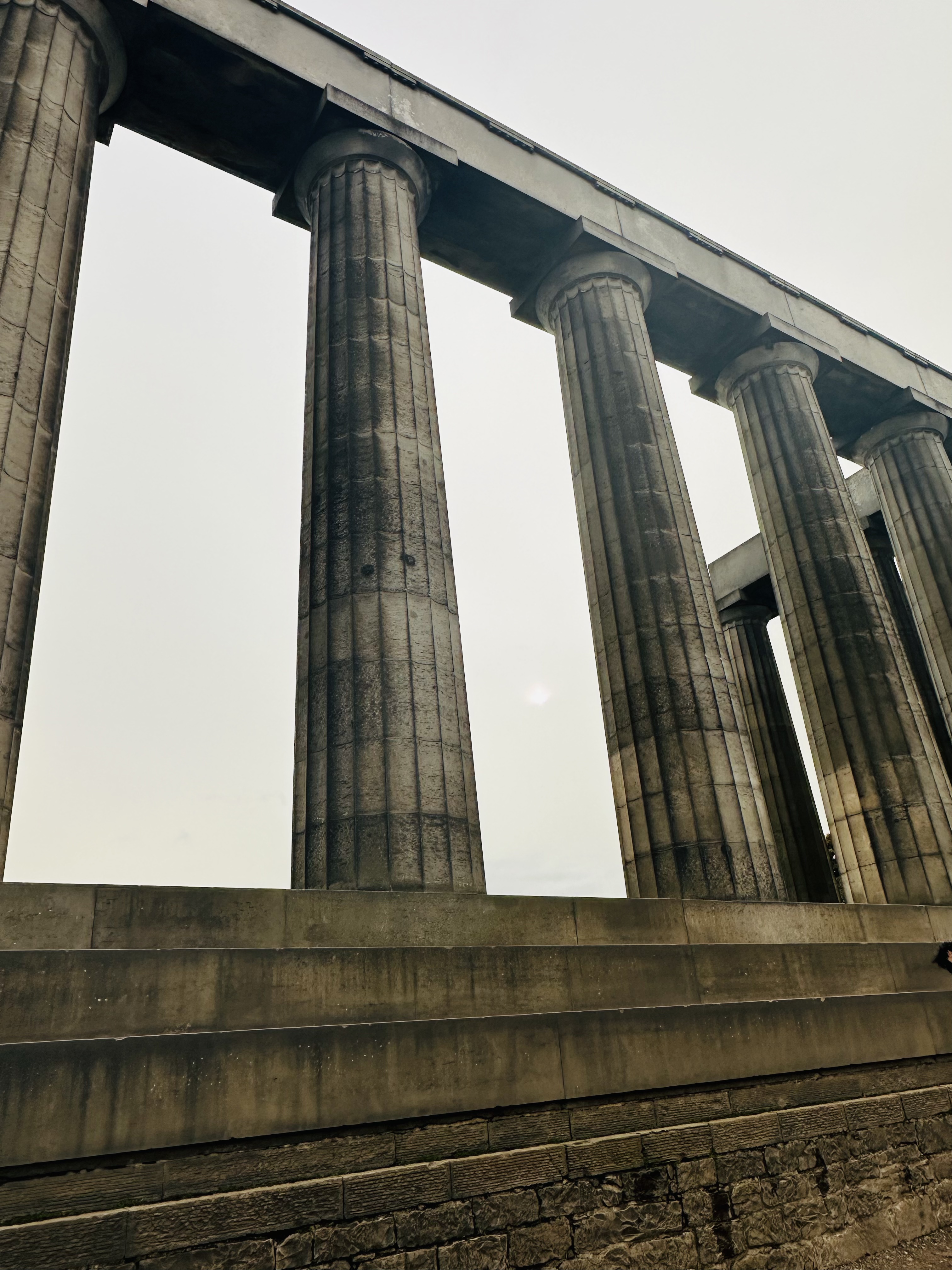
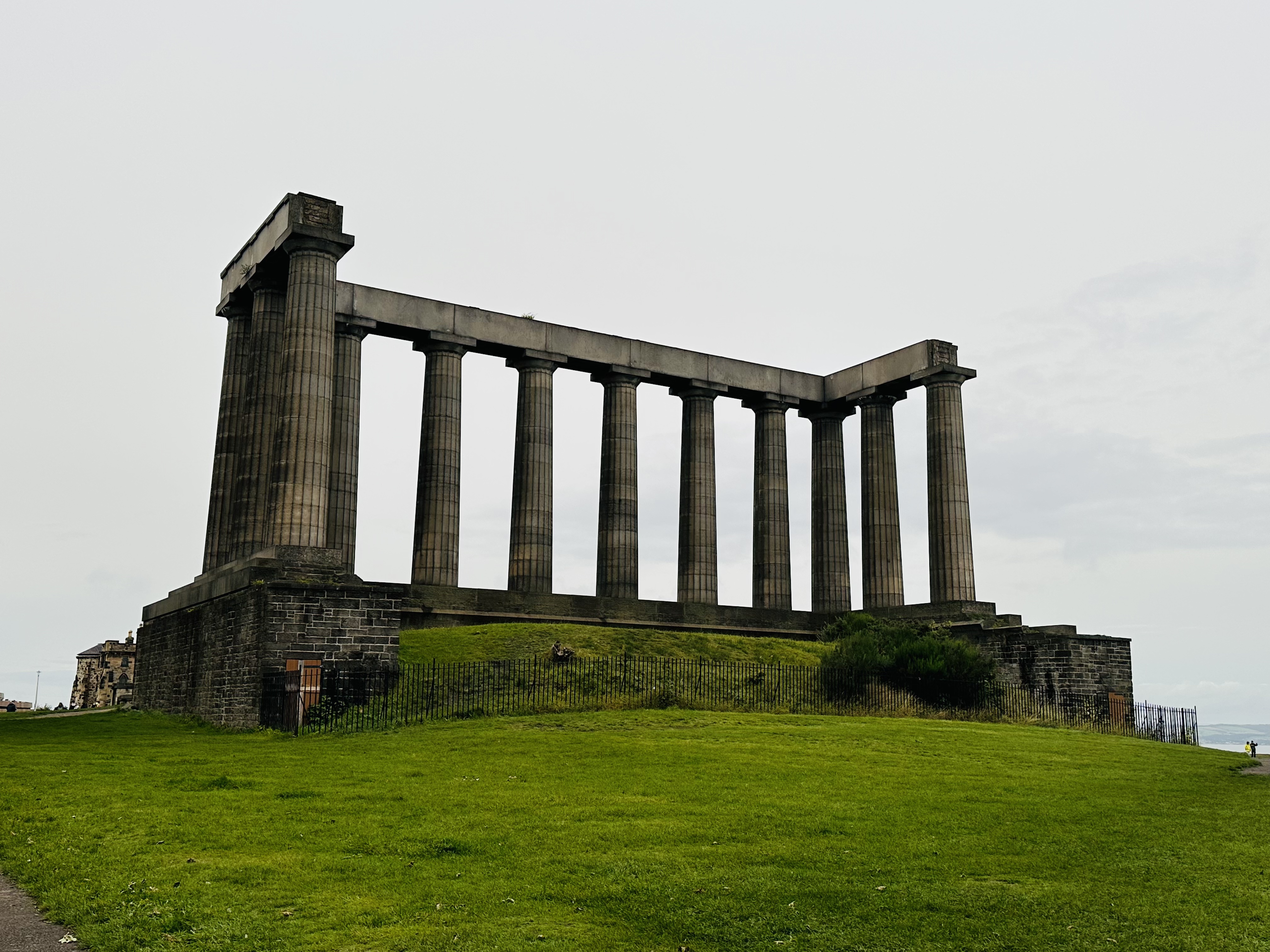
Our first sightseeing activity for the day is to visit the National Monument of Scotland. This is Scotland’s memorial to the Scottish soldiers who perished fighting in the Napoleonic Wars. The National Monument dominates Calton Hill and offers lovely views of Edinburgh Castle on one end of the Royal Mile and the Palace of Holyroodhouse on the opposite end. Designed in the 1820s and modeled after the Parthenon in Athens, construction was left unfinished due to a lack of funding. It’s worth the climb up Calton Hill to see the monument up close and take in the views of Edinburgh.
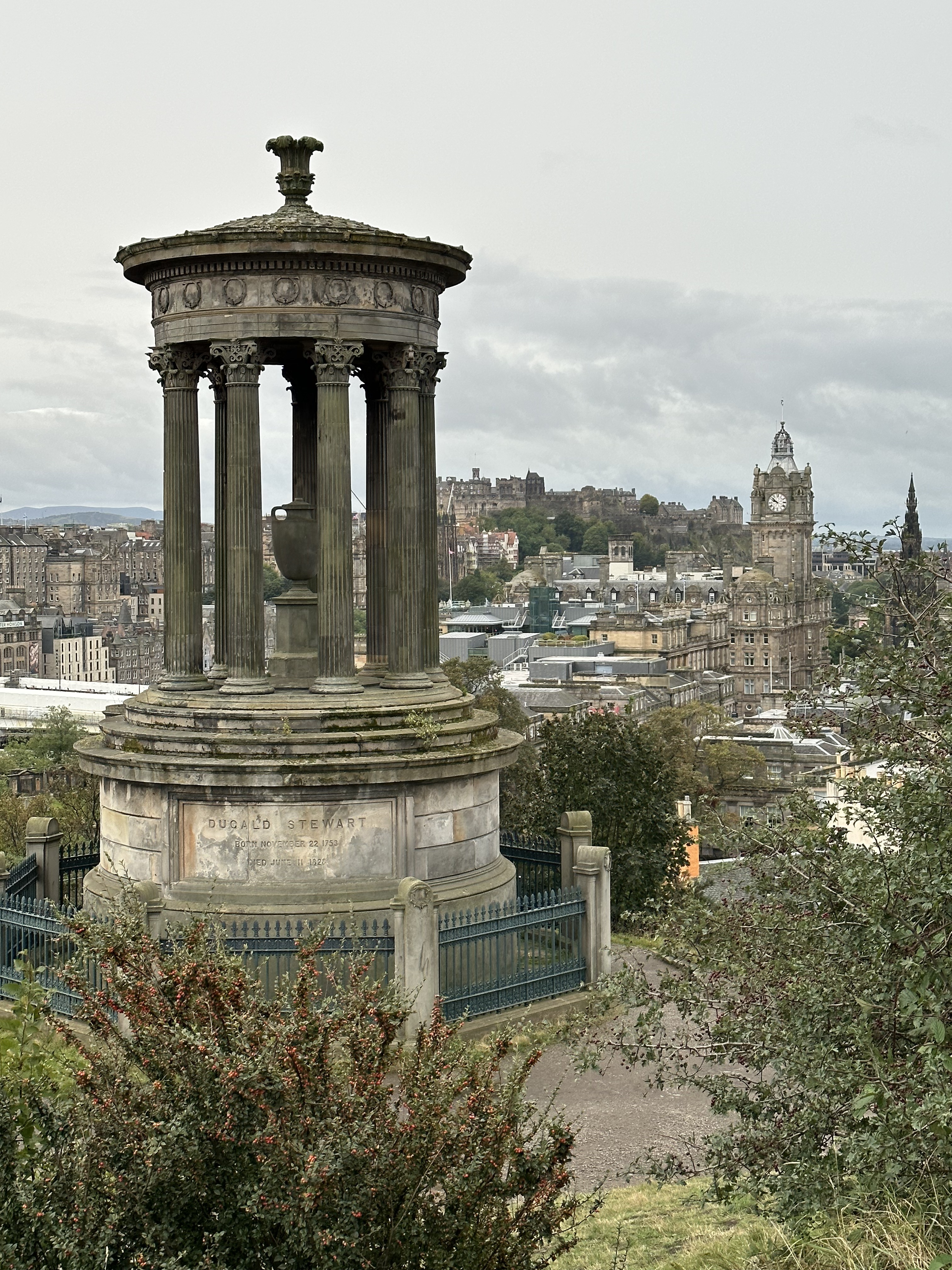
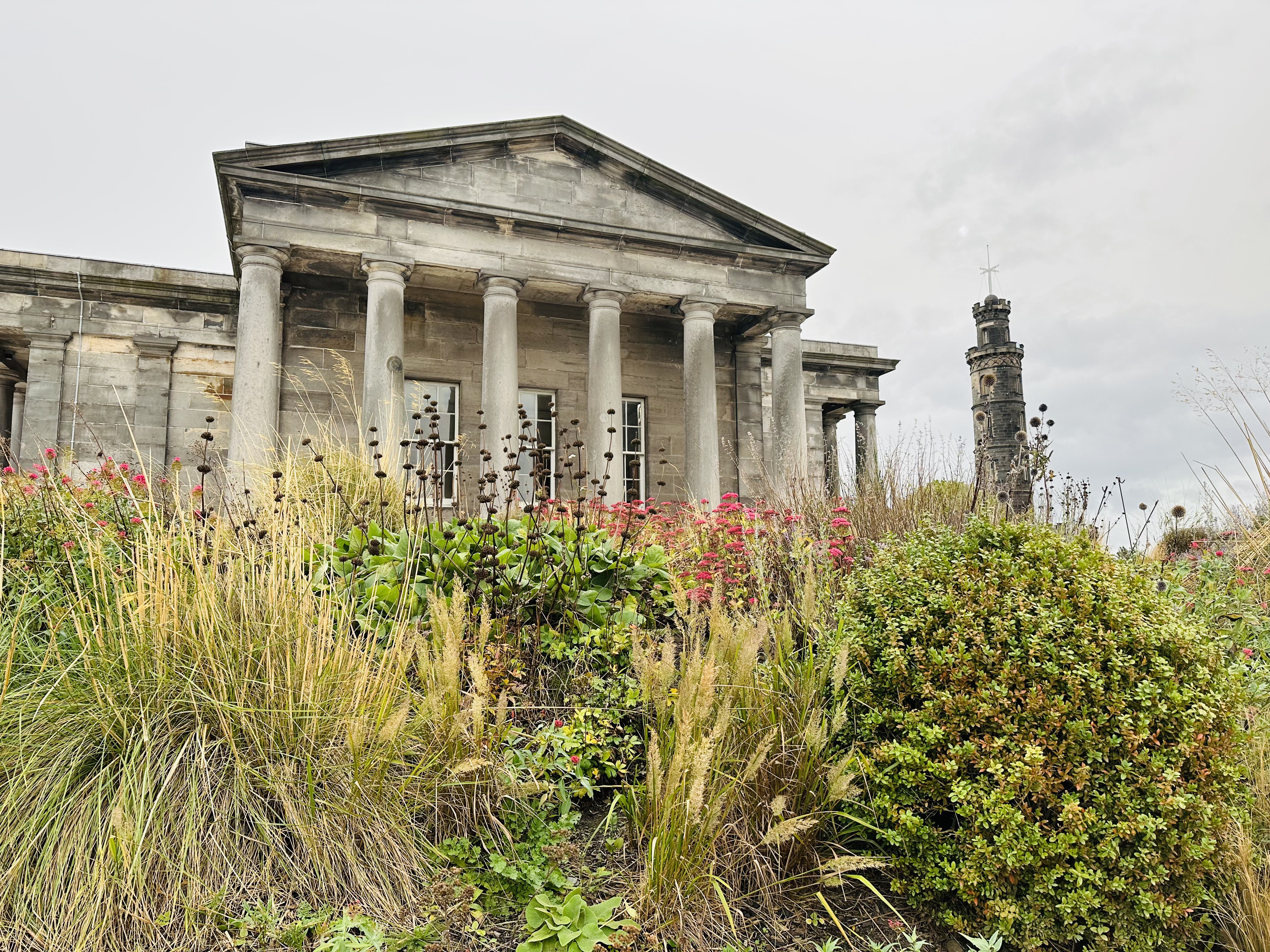
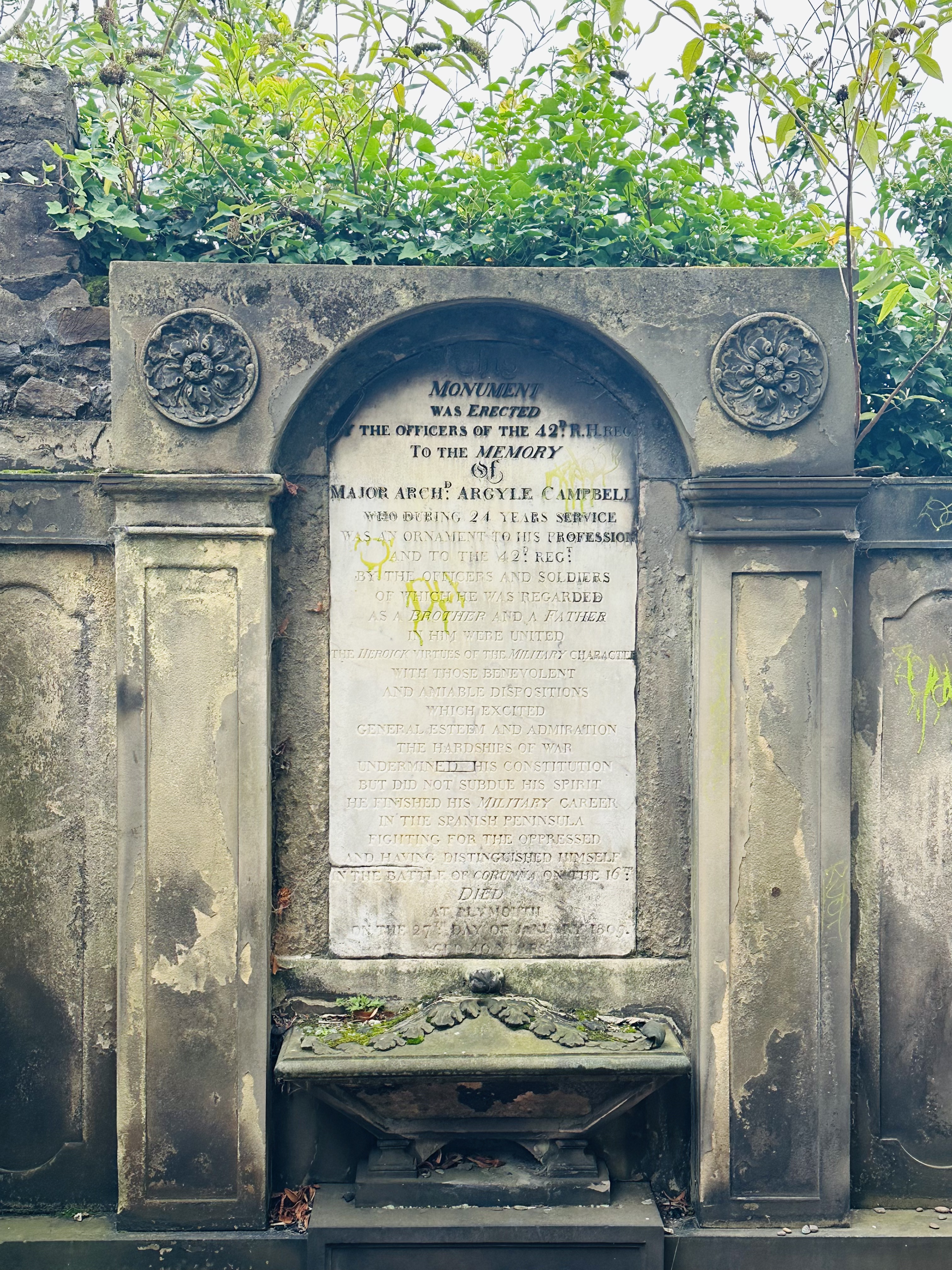
At the base of Calton Hill is the Old Calton Cemetery, which is also worth a walk through. Notable people from Edinburgh’s history are buried in the cemetery including David Hume and William Blackwood. Interesting fact for American visitors, the cemetery is home to the only American Civil War monument outside of the U.S. Dedicated in 1893, the monument features a statue of Abraham Lincoln standing over a freed slave with six Union soldiers also commemorated on the monument. The first statue of a U.S. president outside U.S. borders, it remains the only statue of Lincoln within Scotland.


We walked a portion of the Royal Mile, taking in a few shops, and opted to tour St. Giles’ Cathedral. King David I founded St. Giles’ Cathedral in 1124 and it remains a working church today. The cathedral was John Knox’s parish church during the Reformation and continues to host civil services including services for the Order of the Thistle. The cathedral is open to all who wish to visit, worship, and experience music, art, and history. The current building was constructed in the 14th century, underwent an extension in the 16th century, and underwent further significant alterations in the 19th and 20th centuries. St. Giles’ is one of the most popular Scottish visitor sites and welcomed over a million visitors in 2018 in addition to an active congregation. Admission to the cathedral is free though a £6 donation is suggested and it is well worth the donation to appreciate the stonework, woodwork, Victorian windows, and the incredibly gorgeous Thistle Chapel.


At this point we were getting hungry so we decided to walk to Victoria Street for lunch. Victoria Street is rumored to have been J.K. Rowling’s inspiration for Diagon Alley in the Harry Potter books and there are some obvious similarities. The cobblestone street is wonderfully quaint though it is not a street I would want to drive on. The buildings are beautiful stone on the upper levels and entrances to the various shops on the ground level are painted in different bright colors.


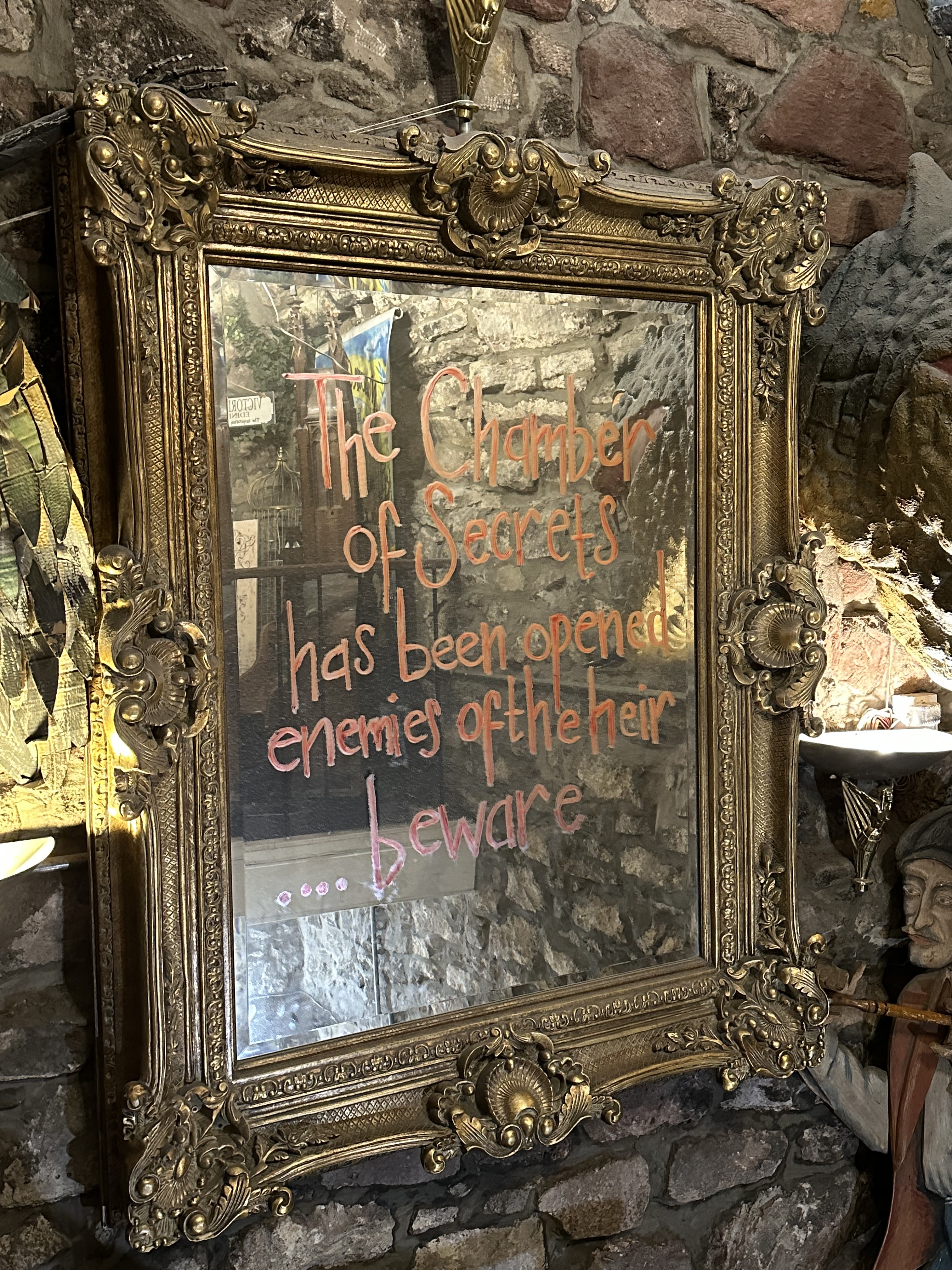
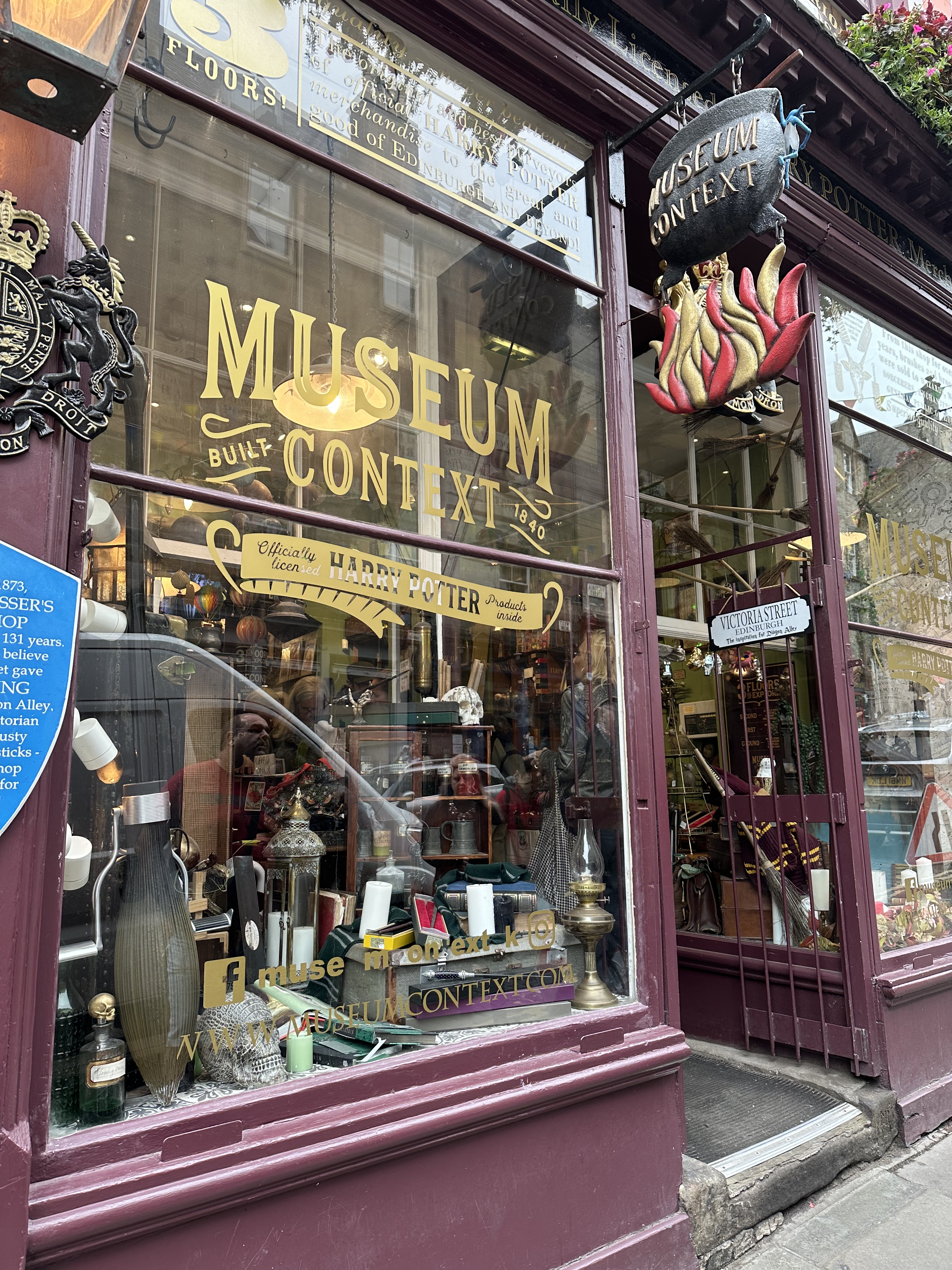
We ate lunch at Bertie’s Proper Fish & Chips. While there is nothing bad about Bertie’s Proper Fish & Chips, there is also nothing particularly memorable about it. We ordered fish and chips (obviously) and the food was served hot and very quickly. Don’t get me wrong, I would eat at Bertie’s again. The fish and chips meal is standard and I appreciate the rapid service because it allows more time for exploring. After lunch we continued exploring Victoria Street and wandering through the shops. The shops offer a little bit of everything from tourist kitsch to high end tweed and leather items. There are a few restaurants along the street as well and plenty of opportunities to snap lovely photographs.
 Travel with Fleming
Leave a comment