
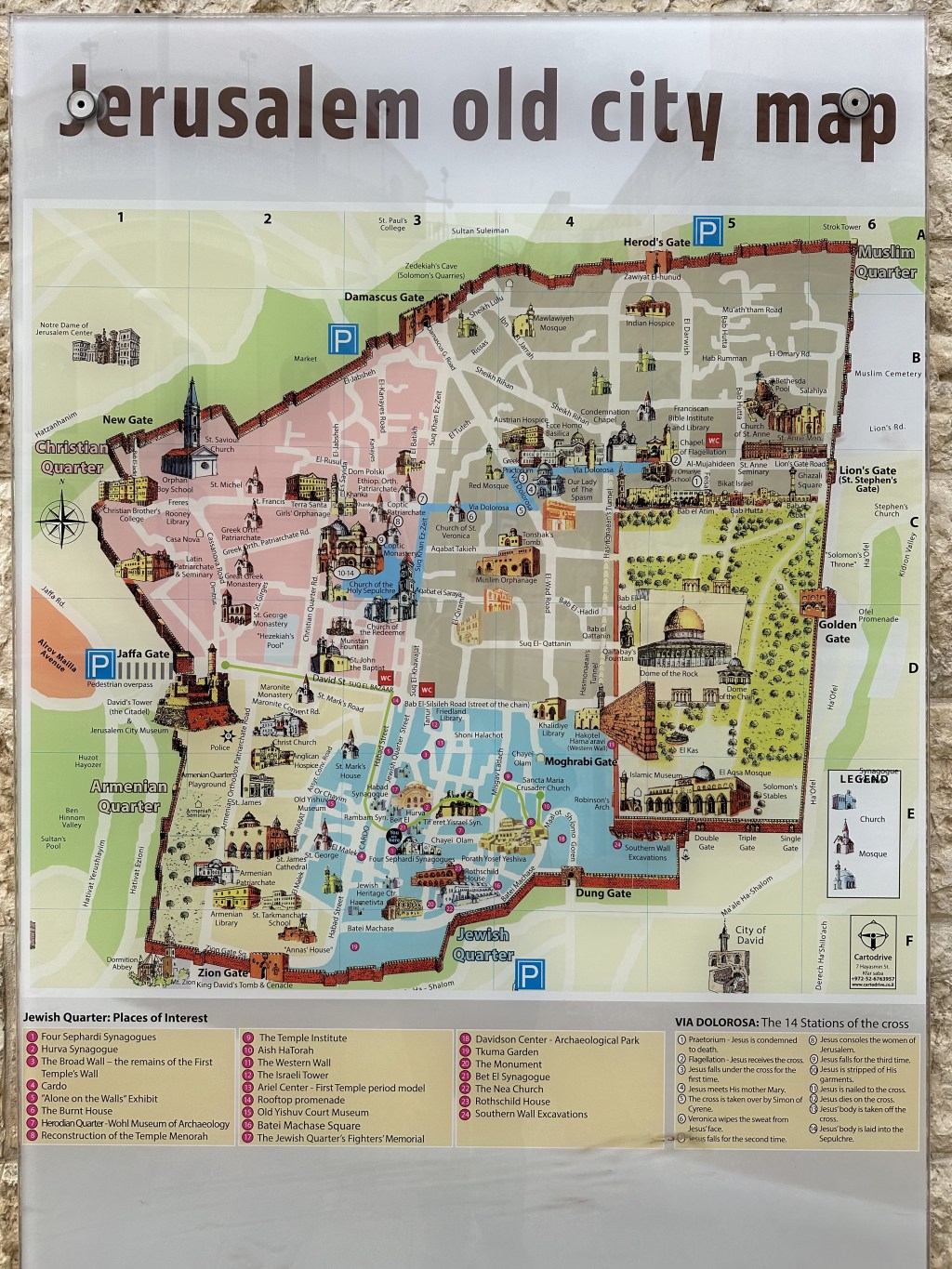
Day 2 in Jerusalem began with breakfast at our hotel. Honestly, the Ibis Jerusalem City Center breakfast was okay but nothing spectacular. There are a lot of cold cut meats and cheeses which I struggle with for breakfast. The fruit and pastries were good and a plain bagel with peanut butter or jam is an easy eat for me.

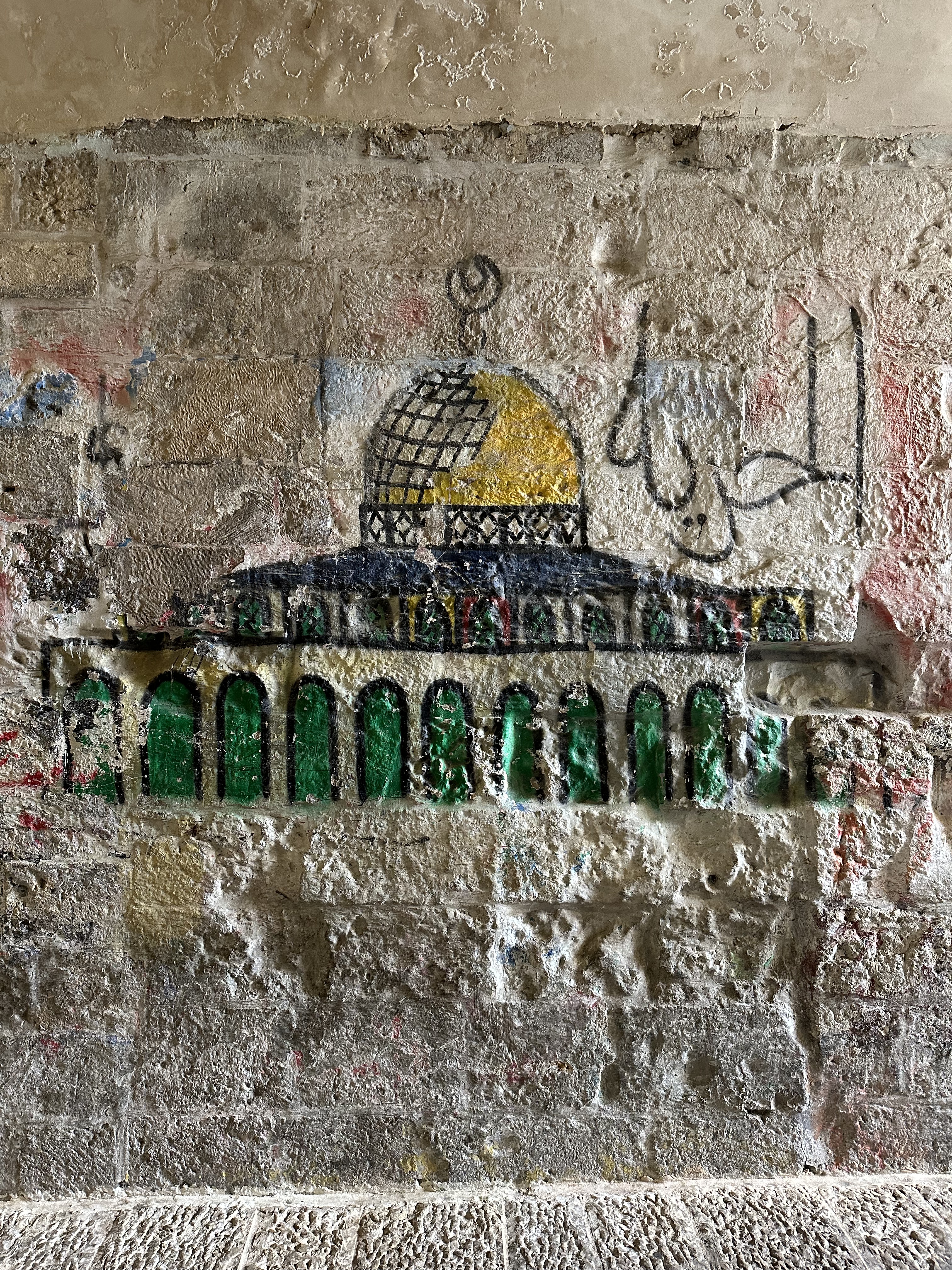


Today we are visiting Al Haram Ash Sharif (the Noble Sanctuary as it is known to Muslims) or Har HaBayit (Temple Mount as it is known to Jews). I will refer to Temple Mount from here forward for ease of explaining. I appreciate the conflict of this place and respect the religions which consider this a holy site. In preparation for my visit, I read books and articles as well as spoke with both a Jewish friend and a Muslim friend in an effort to better understand and respect the holiness of the site. My friends were very willing, excited even, that I expressed an interest in learning more about the Middle East and offered phenomenal advice about what to expect.
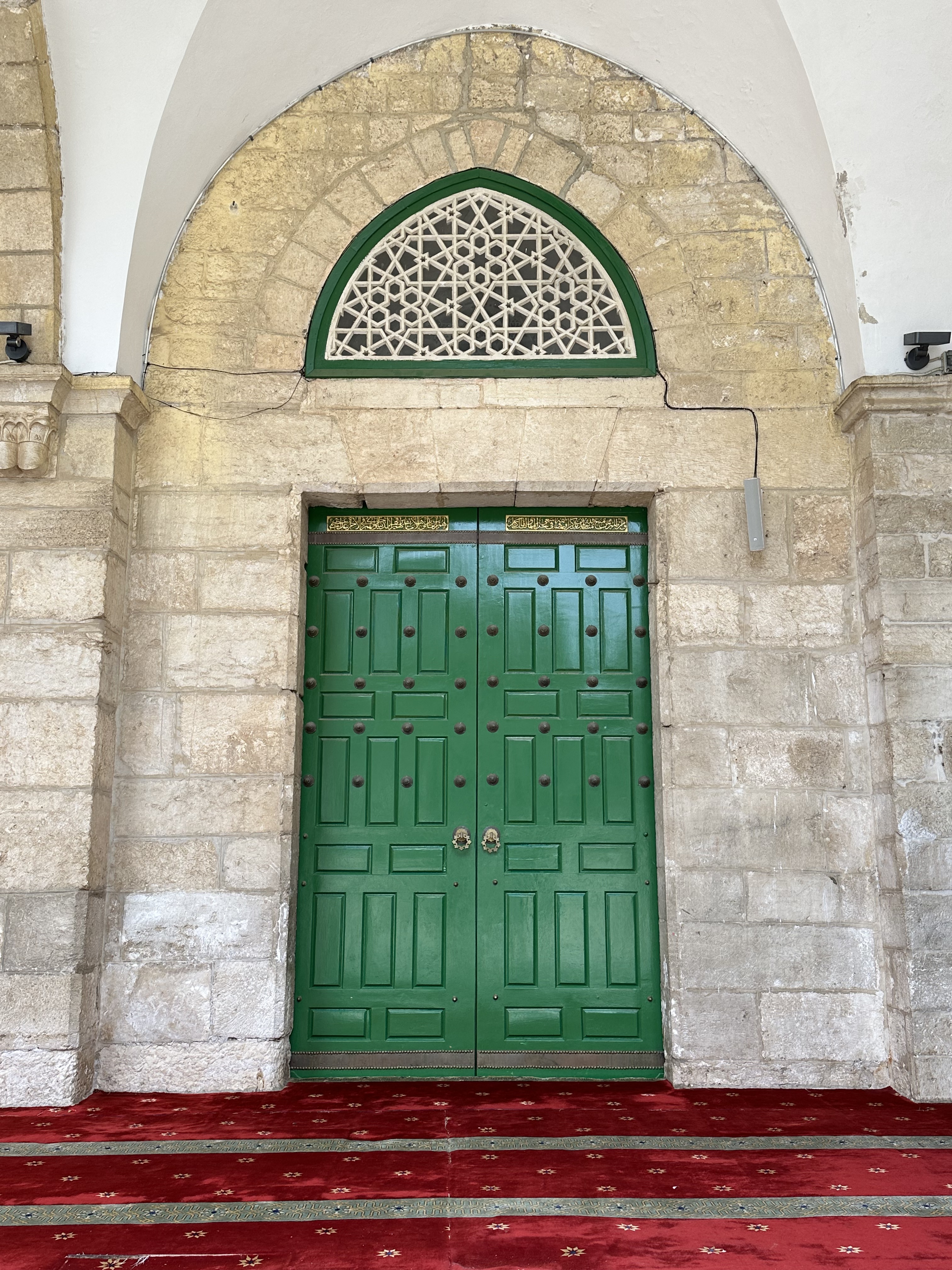
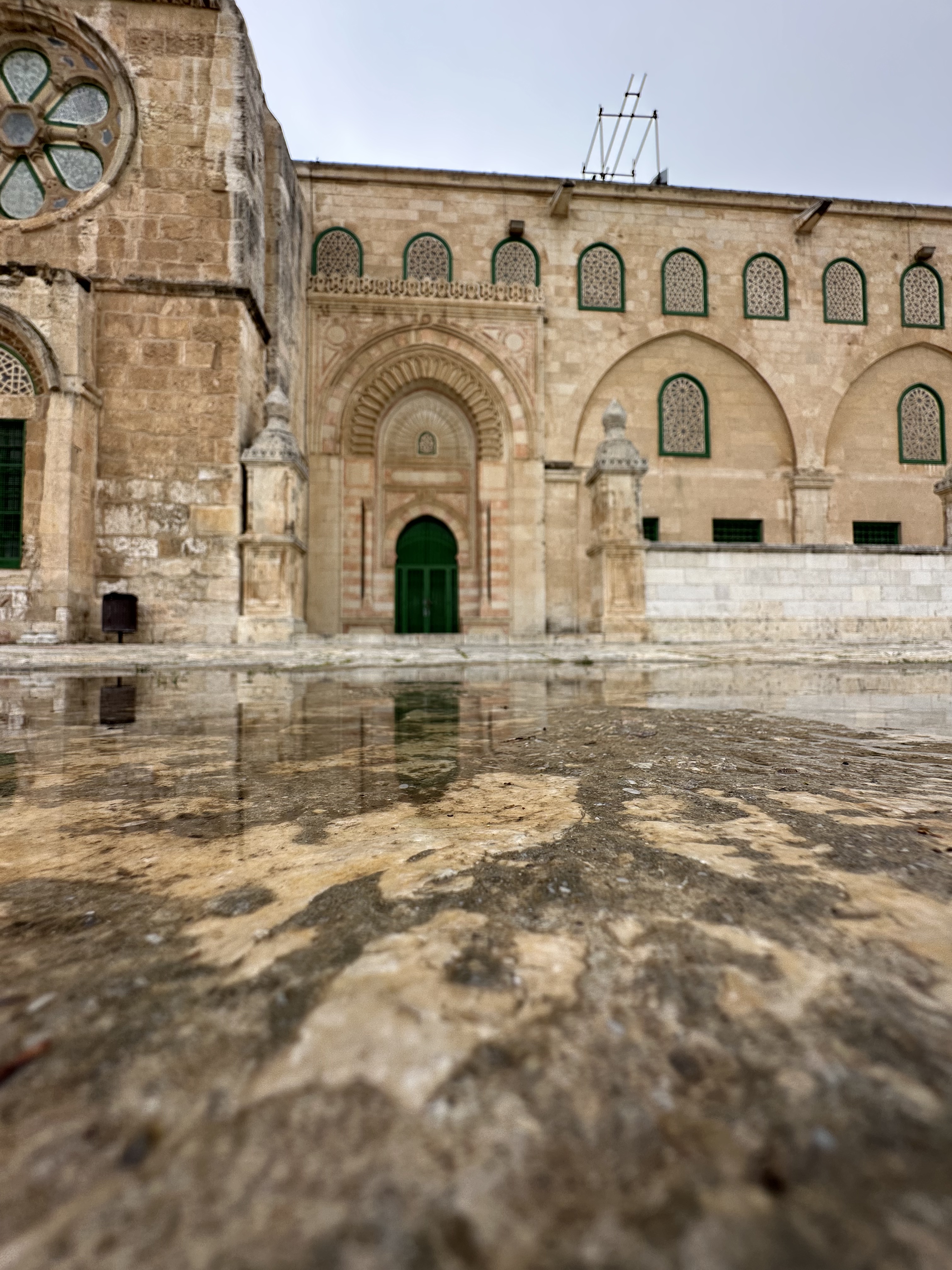

Temple Mount and the surrounding area is perhaps one of the most contentious sections of land in human history. Nearly 200 years of religious wars, known as the Crusades, were fought for control of the holy sites within Jerusalem. Archaeological excavations in later centuries continued to fuel religious controversy. Temple Mount is an elevated plaza within the Old City which is currently under Muslim control. Non-Muslim visitors are able to access Temple Mount via the Gate of the Moors if dressed appropriately in long pants or skirts and with covered shoulders, elbows, tattoos, etc. Queue early and be prepared for a thorough security check. Do not bring any non-Islamic religious object with you. This means no religious texts (Christian bibles included), jewelry with religious symbols, or even pamphlets with religious insignia. These items are not permitted and you will be denied entry or have to leave the items behind in unsecured bins. Note that non-Muslim prayer is forbidden and non-Muslim visitors are not permitted entry into the Dome of the Rock.

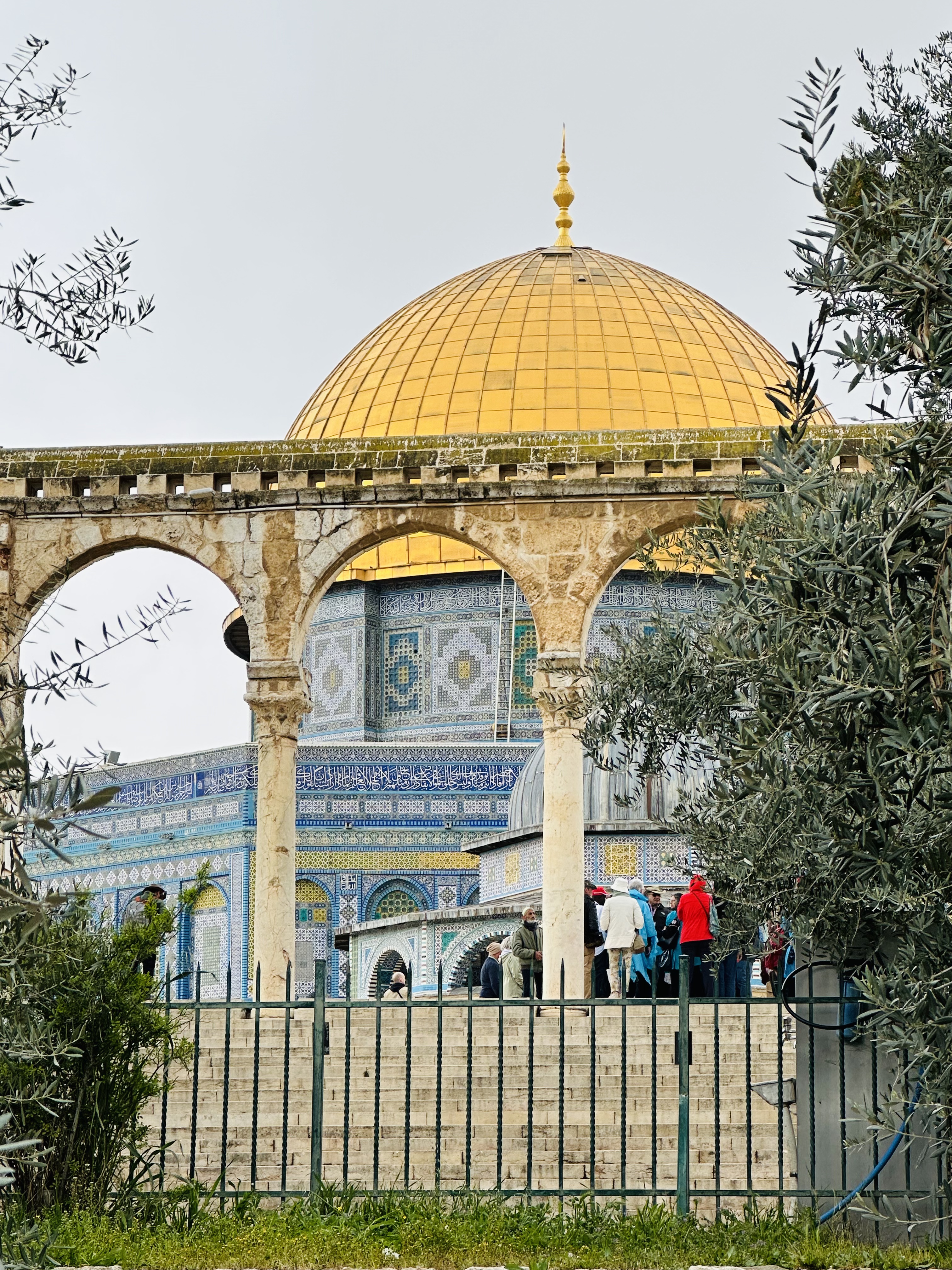
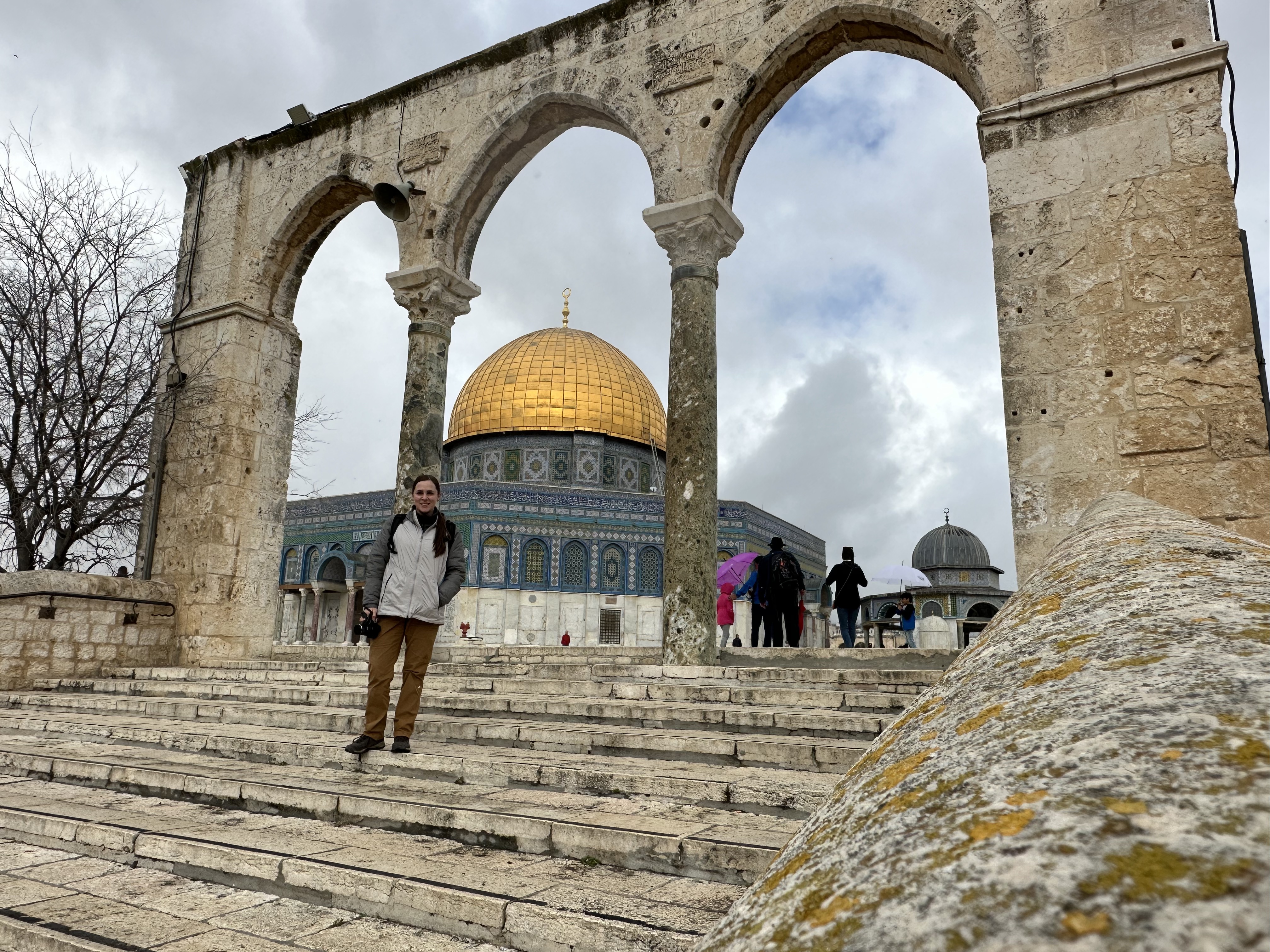
In times of political unrest, the entire Temple Mount area may be closed off to visitors. The area includes two of Islam’s most sacred buildings (the Dome of the Rock and Al Aqsa Mosque) and is revered by Jews as being the location of the First and Second Temples.
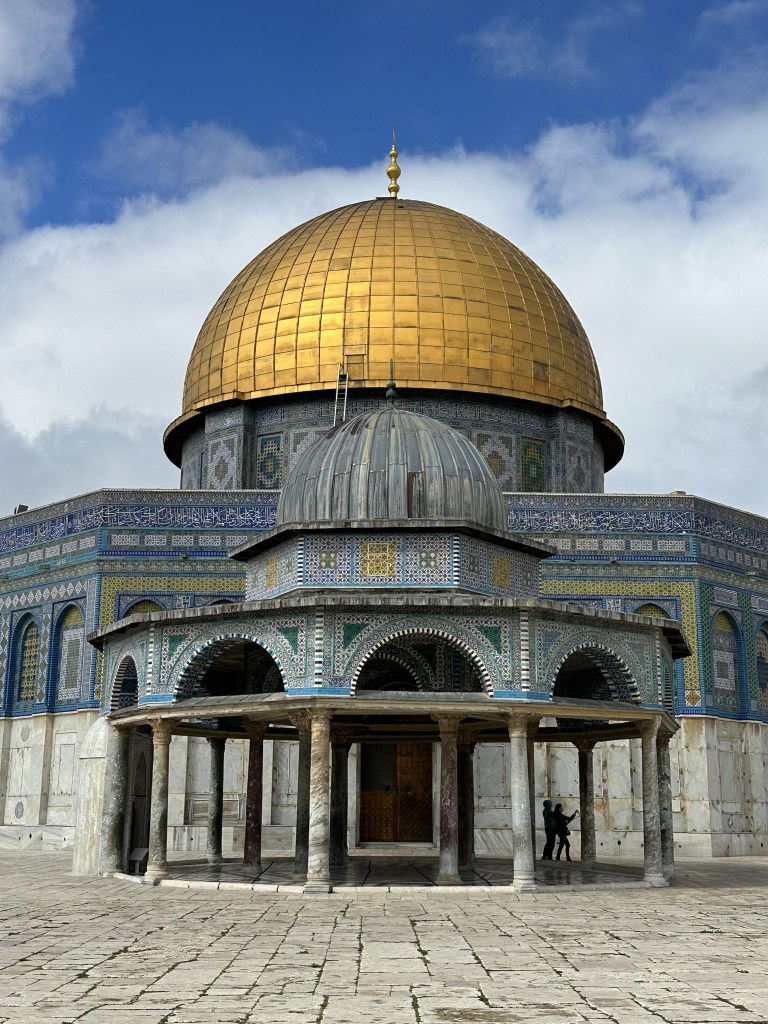
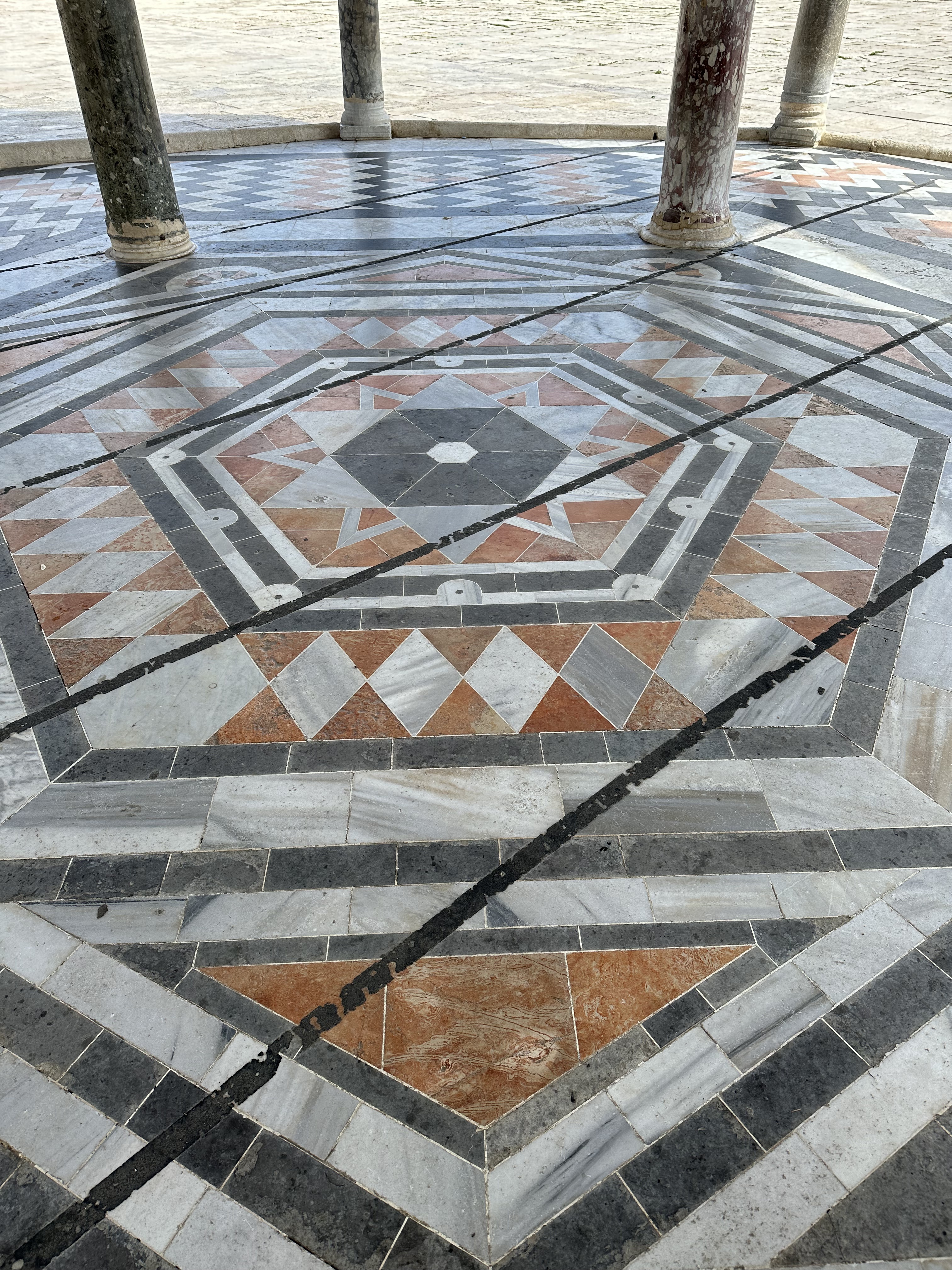
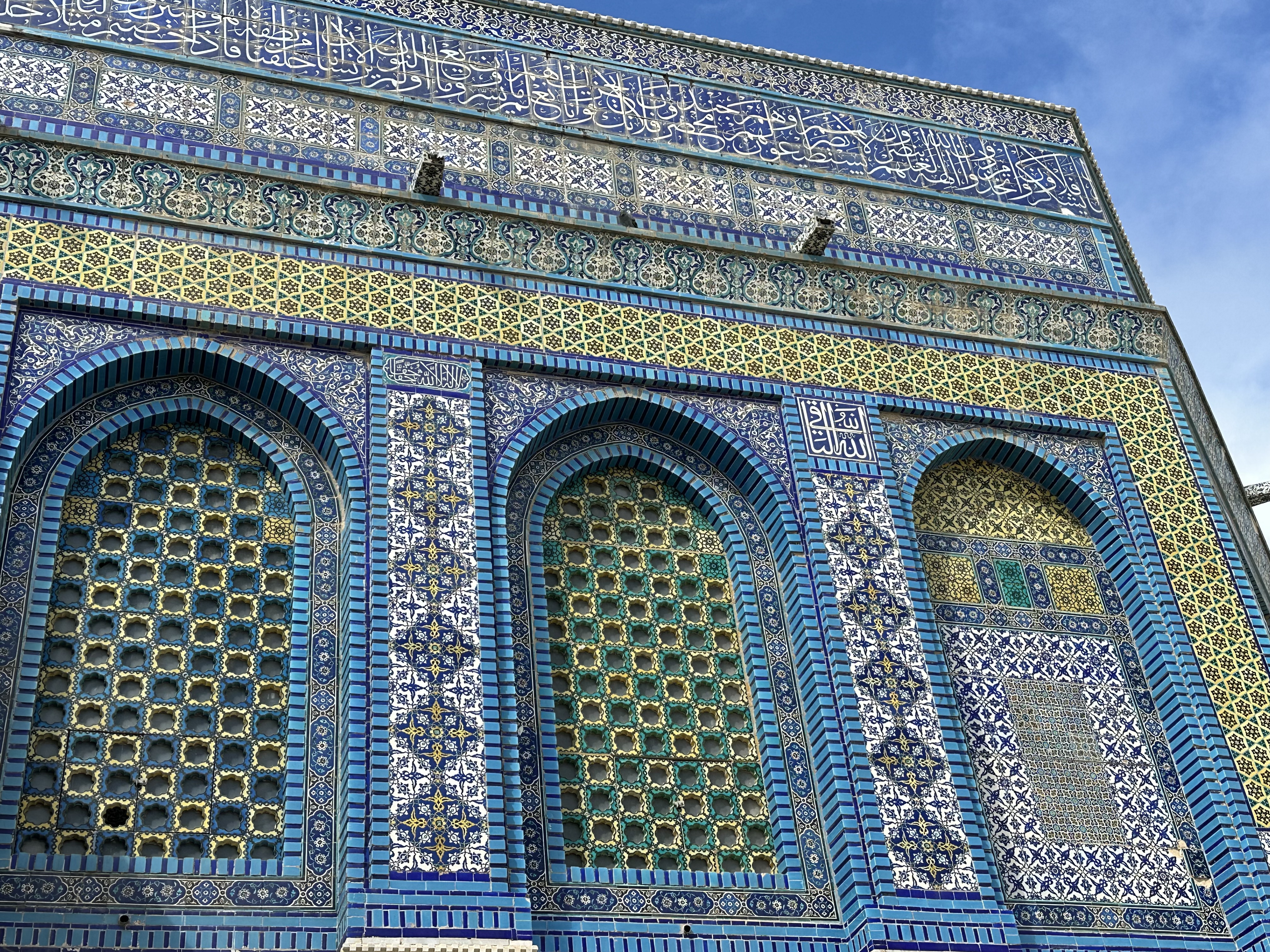
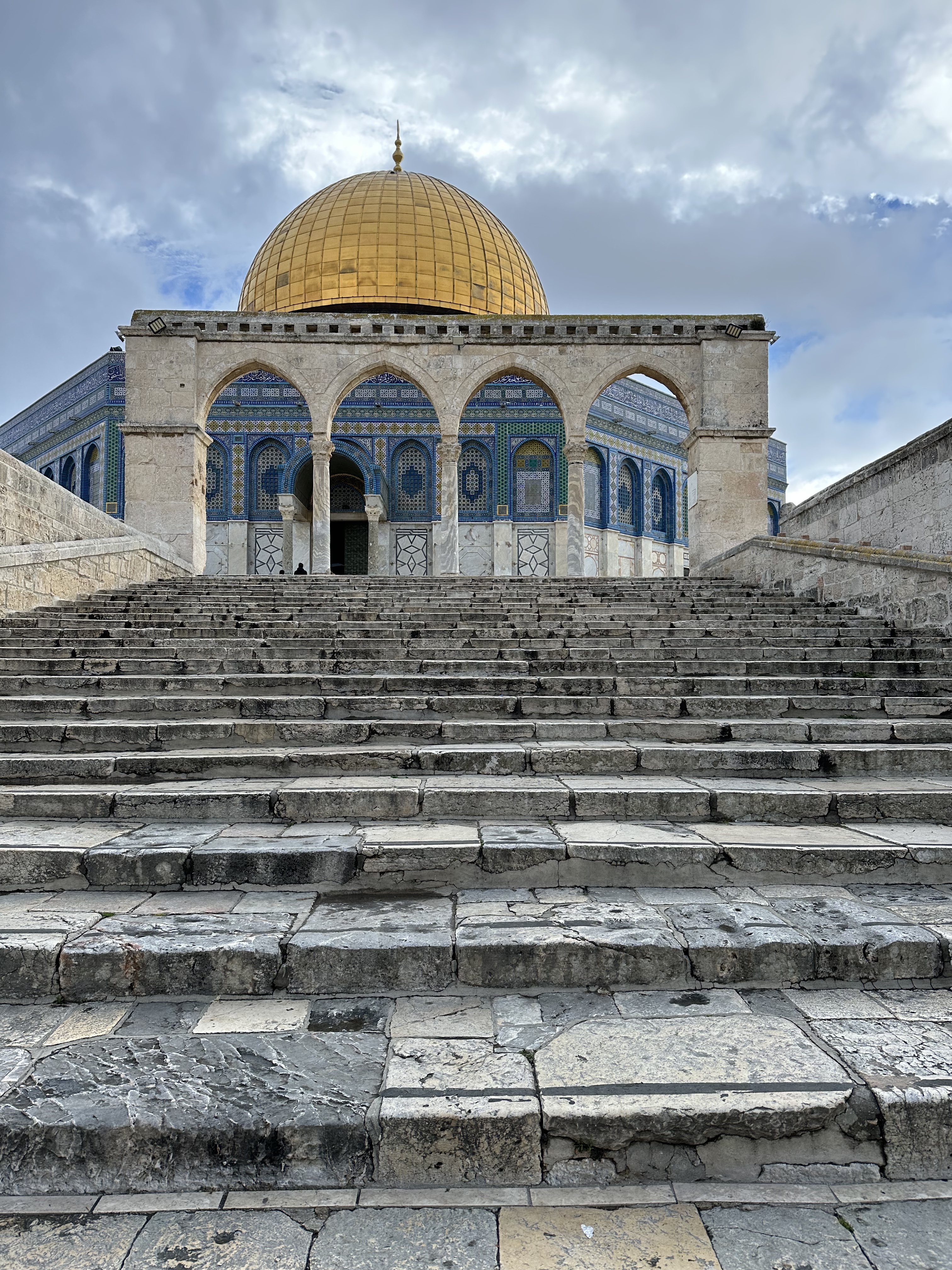
The plaza at Temple Mount is a place for quiet reflection and appreciation of the architectural beauty of the Dome of the Rock. The original gold dome has disappeared and the gold plates seen on the dome today were donated by the late King Hussein of Jordan. Other sites within Temple Mount include Al Aqsa Mosque which is an active worship site for Muslims, Sabil of Qaitbay which features the only carved-stone dome outside of Cairo, Scales of Souls, and the Dome of the Chain. It’s worth spending a couple hours walking through the plaza to appreciate the beauty of the area. Photos are permitted but be mindful of not showing any signs of public affection, even a couple loosely putting their arms around each other for a photo may draw a warning. Modesty and discretion should be exhibited at all times to respect the site and the people who worship here.
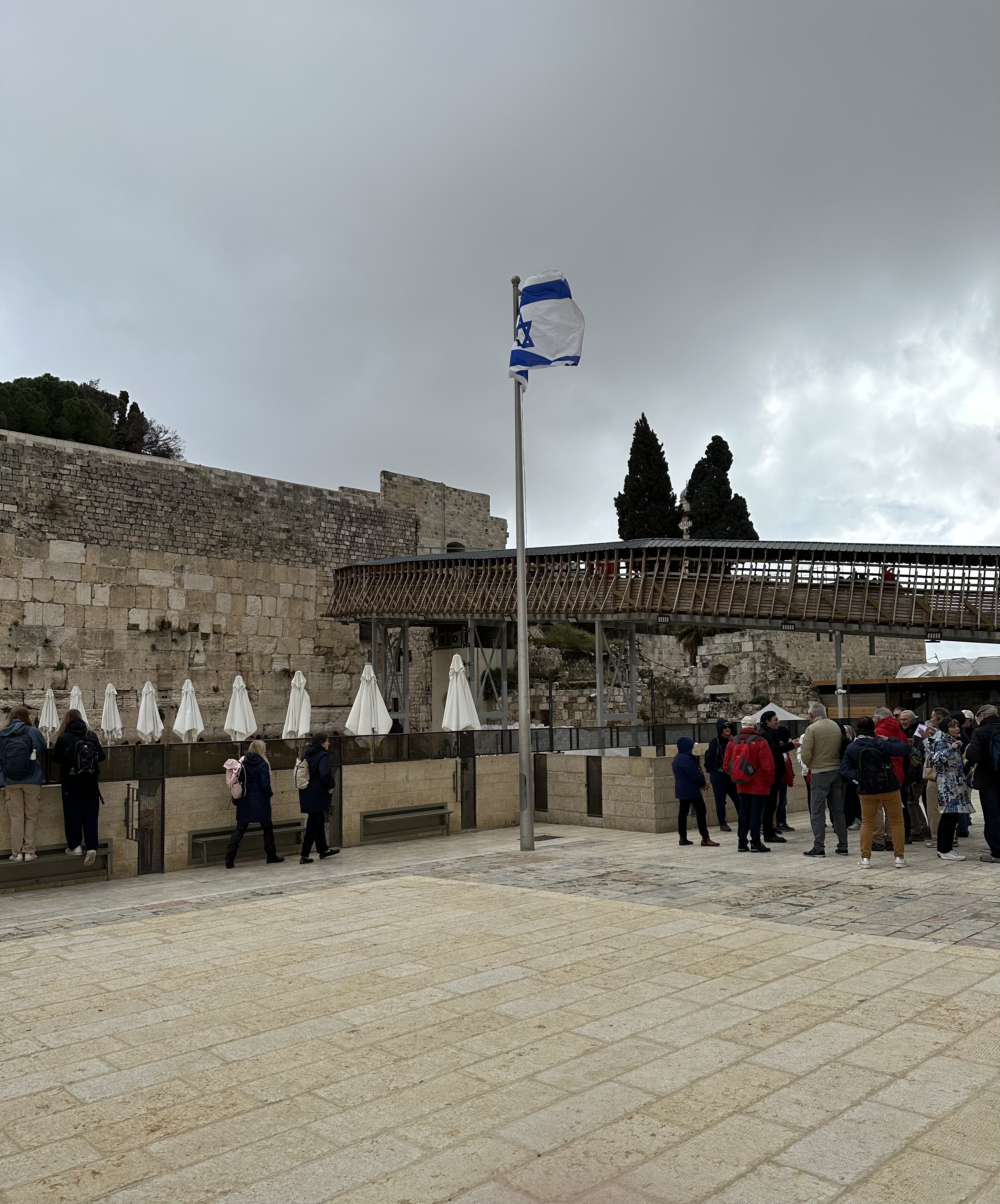
One of the sites I most look forward to visiting in Jerusalem is the Western Wall and I highly recommend it. Judaism’s holiest prayer site and open to all faiths, the Western Wall supports the outer portion of Temple Mount where the Second Temple once stood. Worshippers come here to recite scripture, say prayers, and lay their hands on the 2000 year old stone. The Western Wall is divided into three sections; the largest is accessible only by men, the mid-sized section is accessible only by women, and the smallest section does not require separation based on gender. Men utter prayers out loud while women silently offer their prayers.

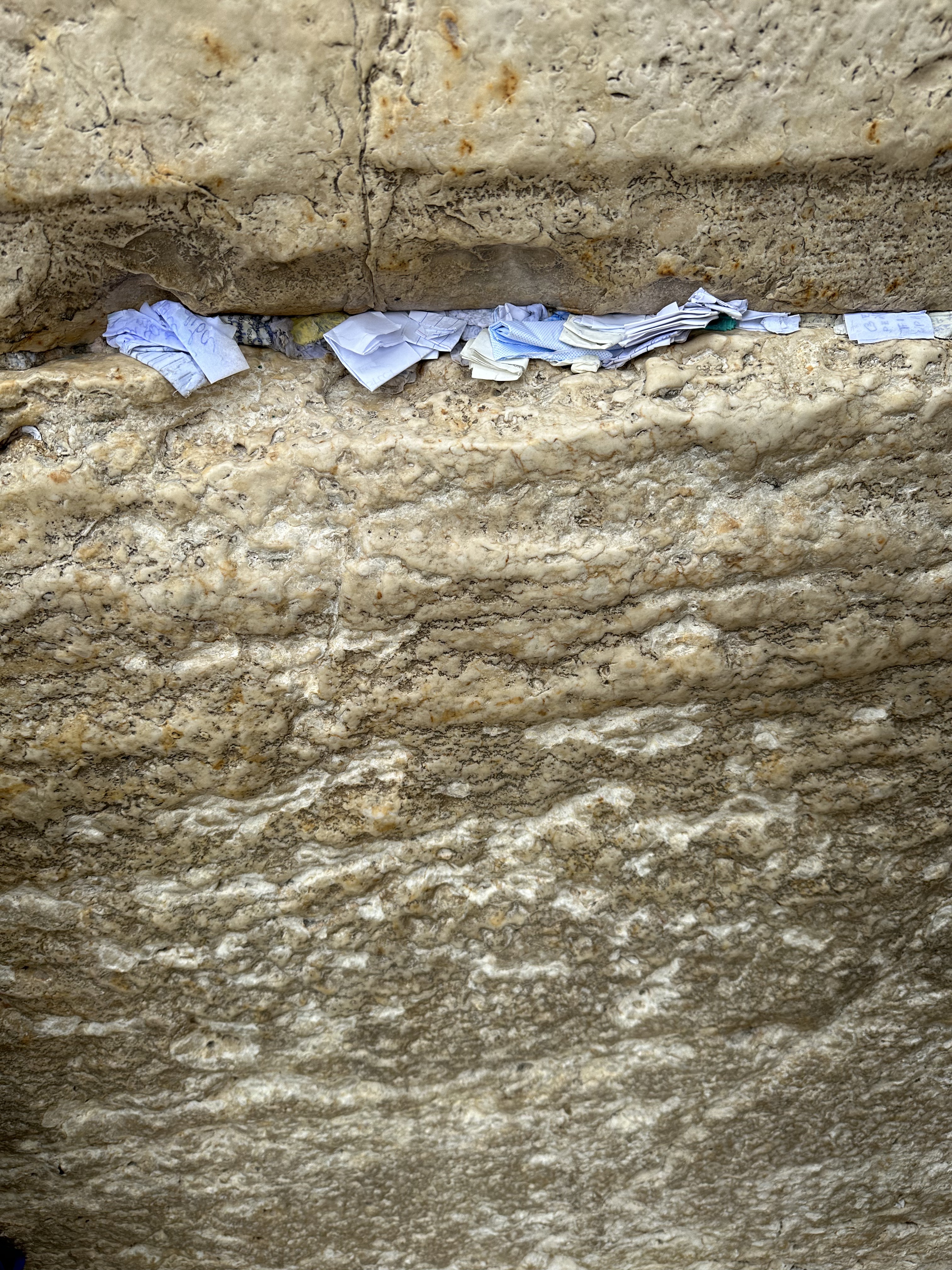
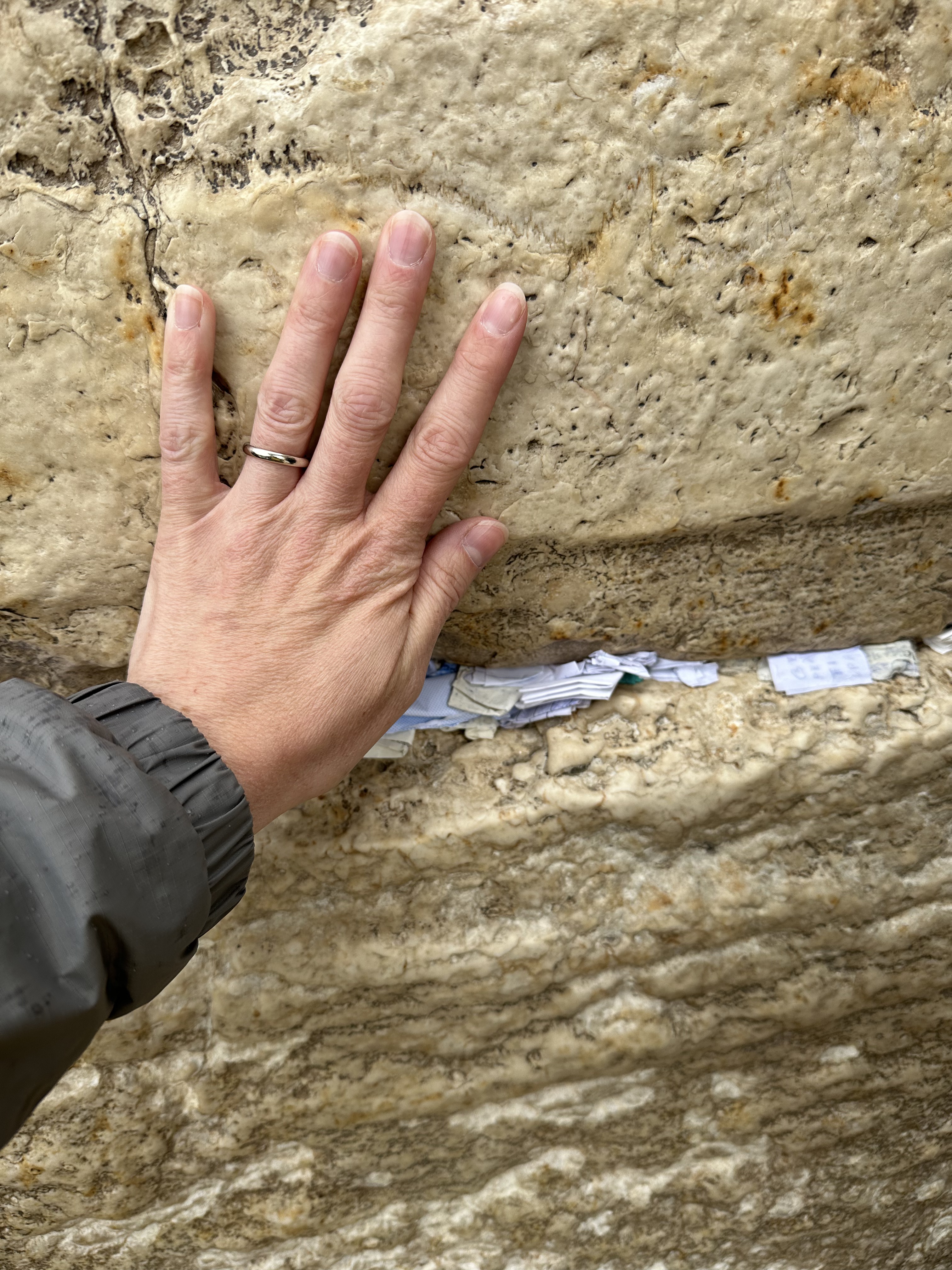
I was fortunate enough to visit the women’s section and lay may hand on the wall. The women waited politely for their turn to pray at the wall, many leaving prayers on small bits of paper which they tucked into cracks and crevices between stones. Some believe that a written prayer left between the stones has an above average chance of being answered. These prayers are never removed from the wall. Caretakers will periodically gather any prayers that have fallen to the plaza and they are interred with the next deceased person who is buried on the Mount of Olives. My experience at the Western Wall was calm, peaceful, and reflective. I appreciate and respect the deference afforded to every individual to have their moment of prayer. The Western Wall is my favorite part of my visit to Jerusalem, in part due to the history, but mostly because every single person there was able to have a peaceful and private prayer and experience.
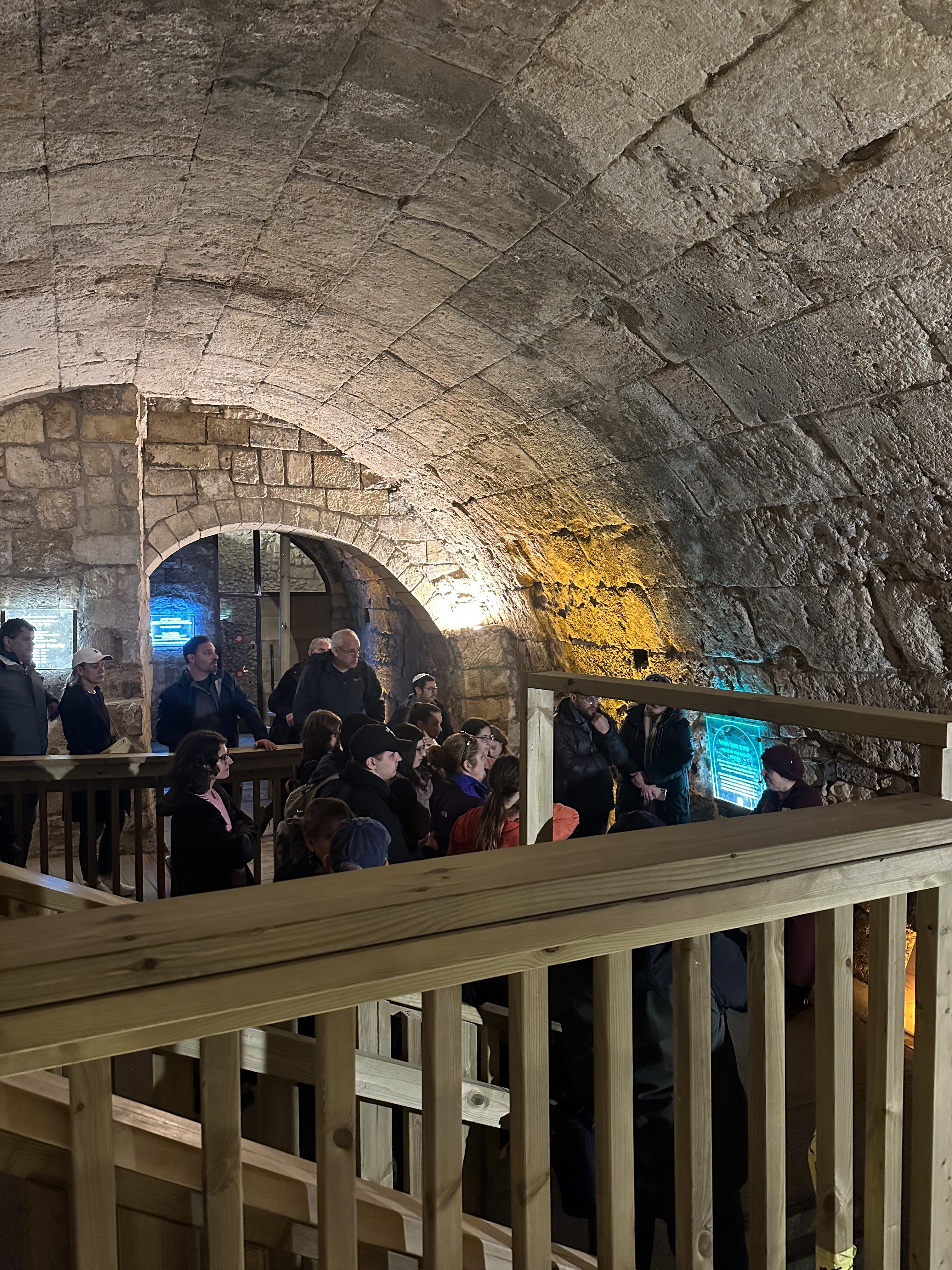
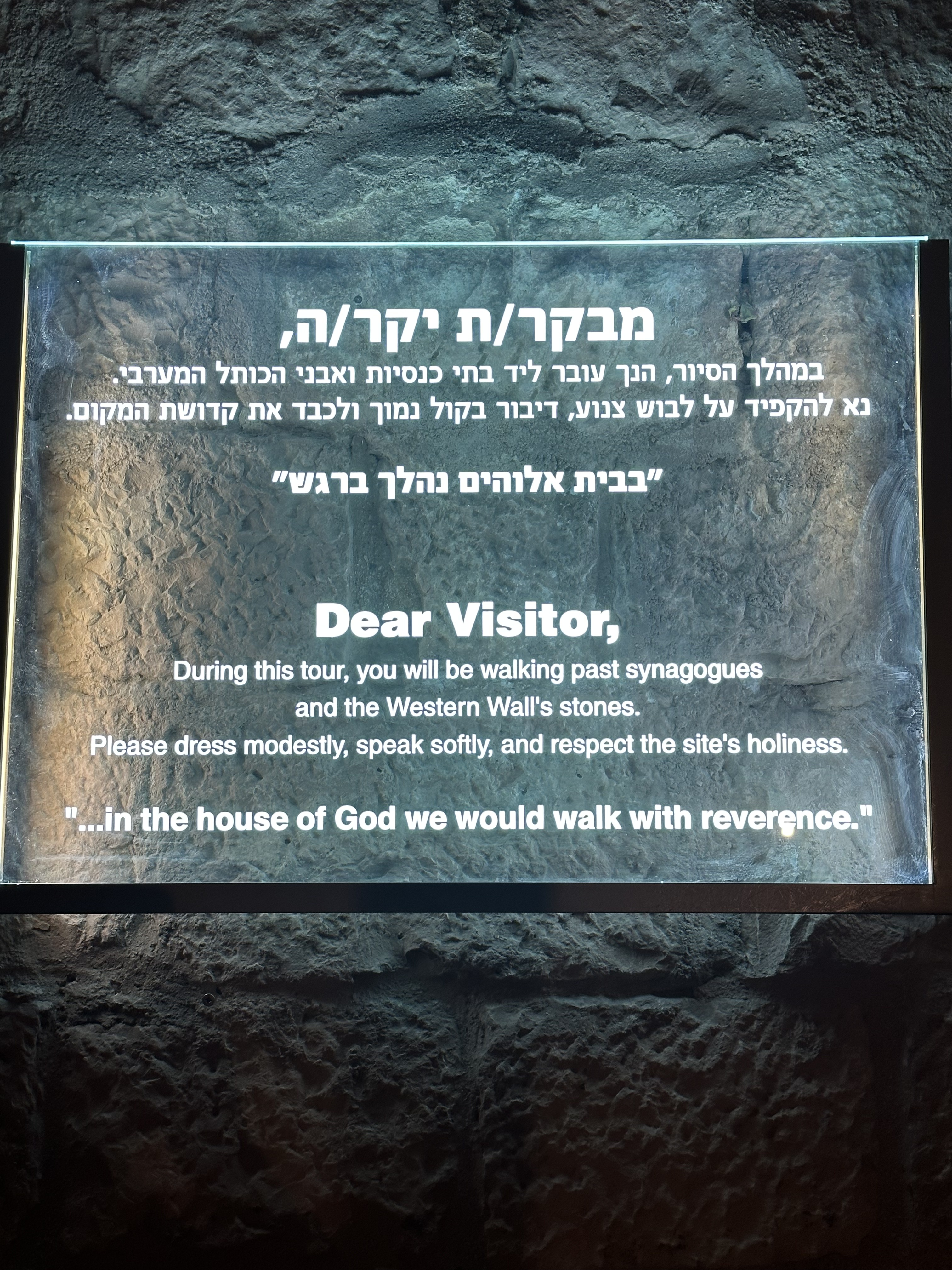
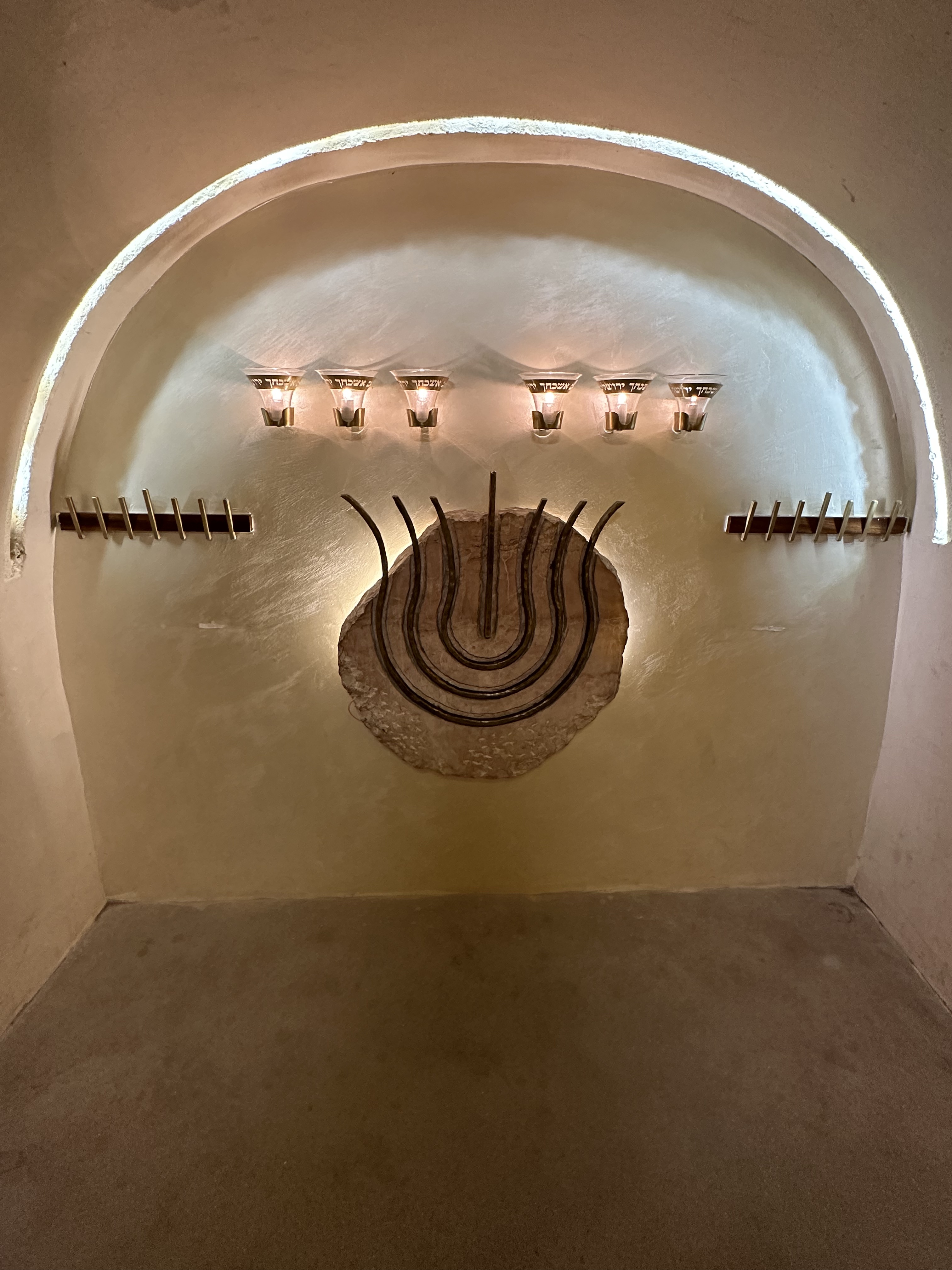
We grabbed lunch at Aroma just outside the walls of the Old City and a short walk from Jaffa Gate. The menu is Kosher and they have some lite yet filling sandwiches. I recommend the alfajores cookies which are a delightful sweet treat. We quickly ate and walked back into the Old City to take a tour of the Western Wall Tunnel. The check in area for the tour was a bit chaotic and it is best to arrive at least 10 minutes before your tour. Be flexible and patient, the staff will get you on a tour. The tour takes visitors past a synagogue and underground through the excavated tunnels surrounding the Western Wall stones following the same paths as the city’s ancient inhabitants. Tours also lead past archaeological landmarks including Warren’s Gate and Wilson’s Arch, two sites which ignited political unrest during excavations in the 1860s. I highly recommend a Western Wall Tunnel Tour as well as a visit to the prayer sections. These should be non-negotiable, must-dos for any Jerusalem traveler.
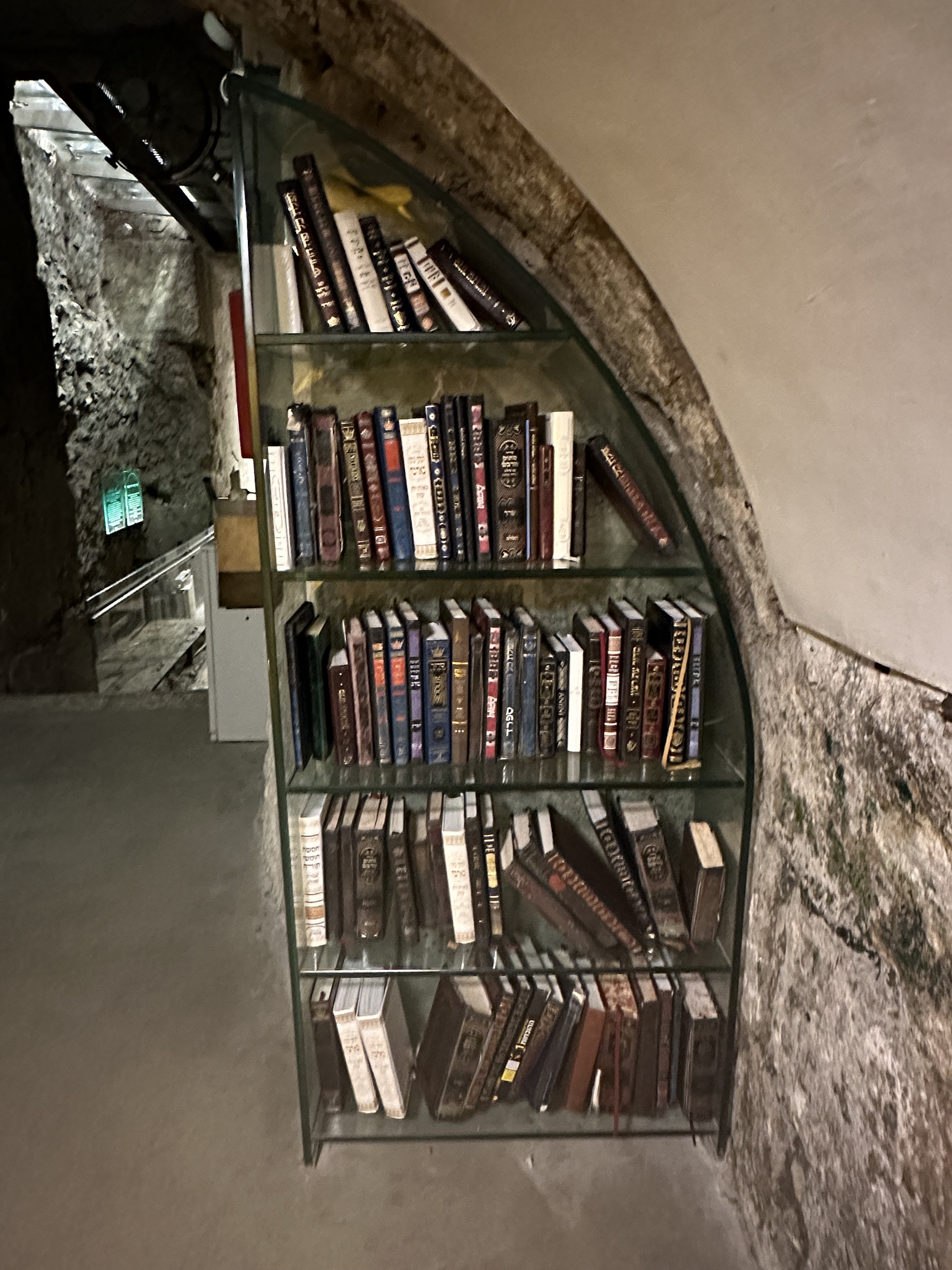
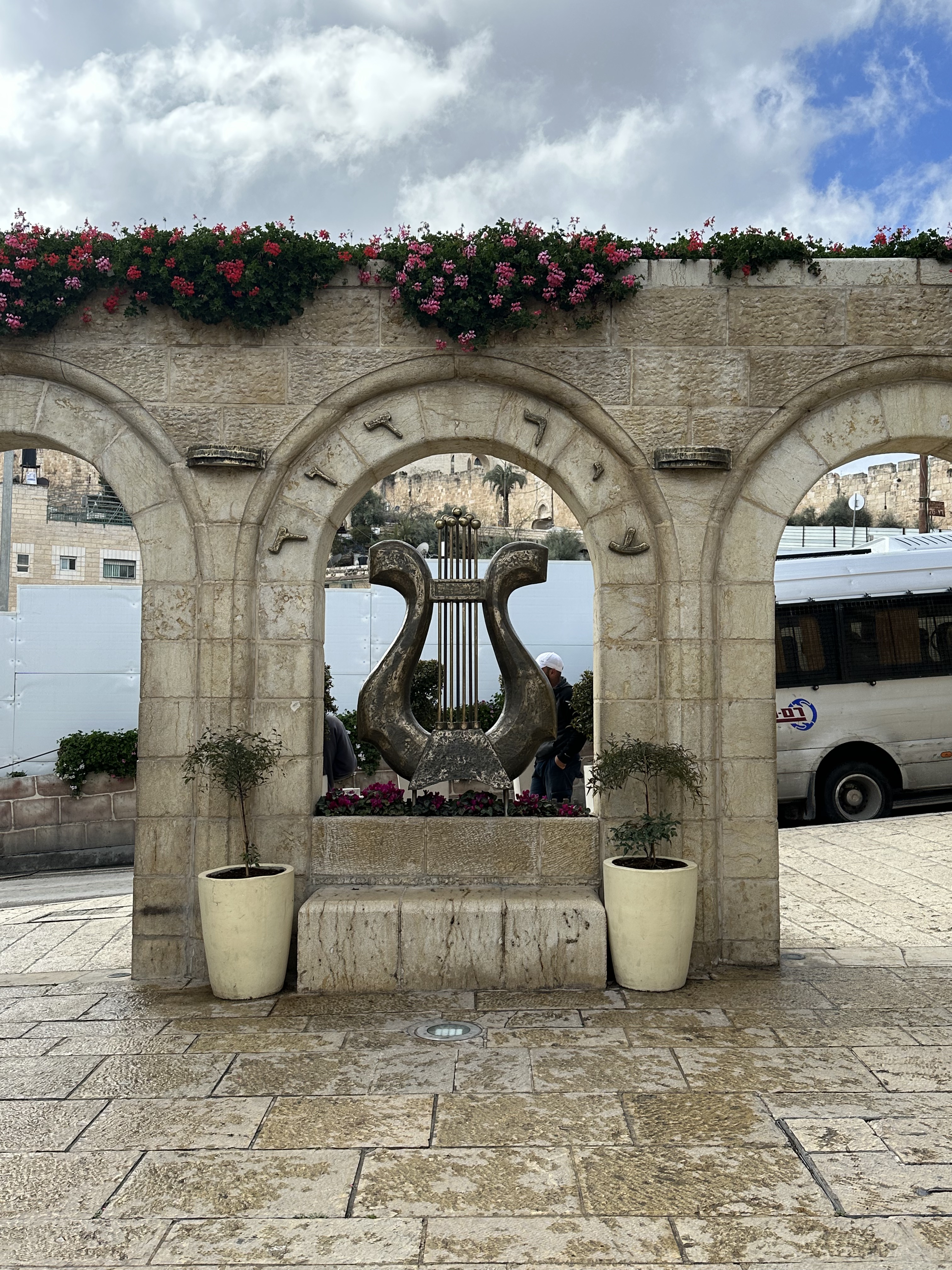
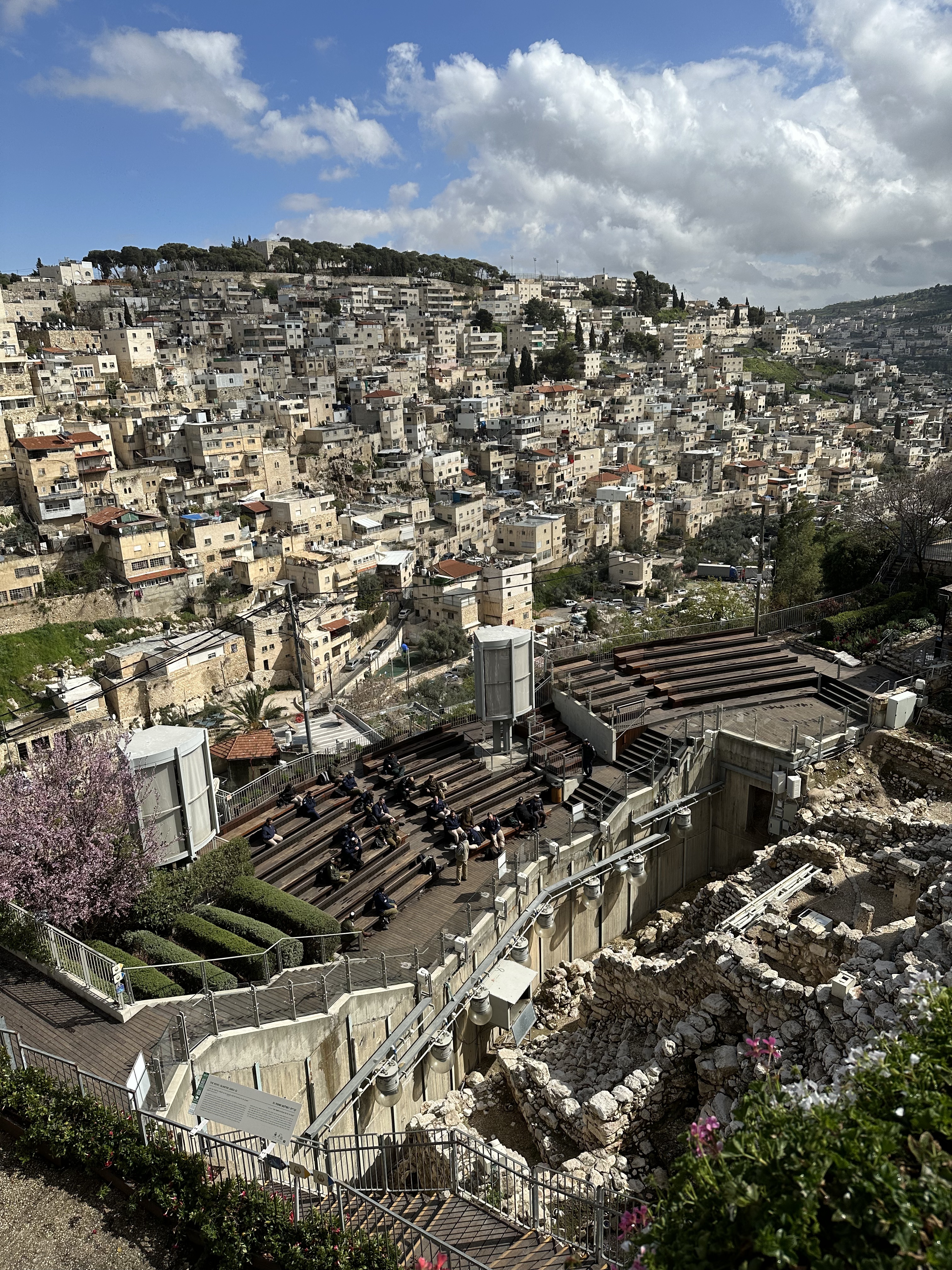
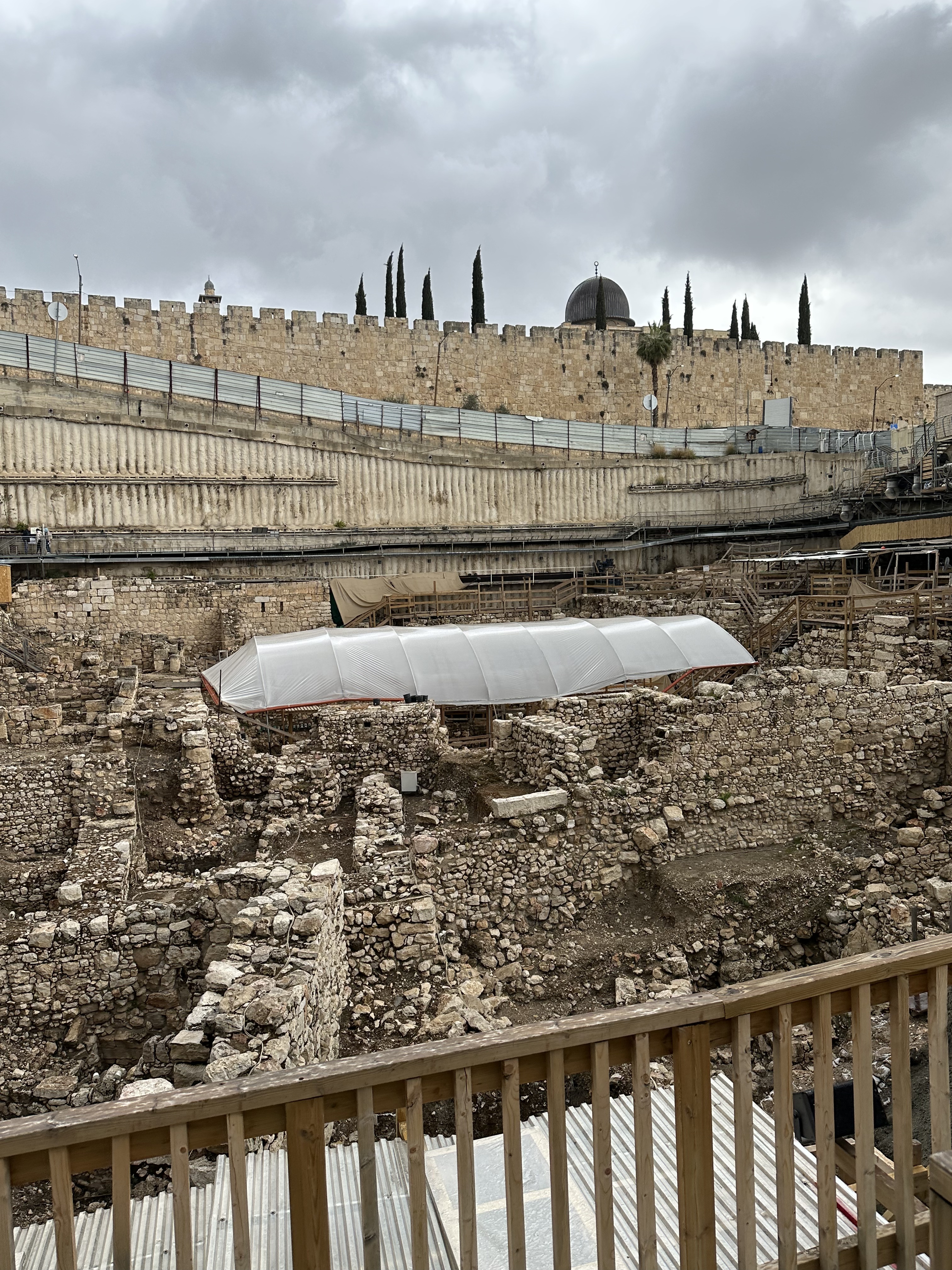
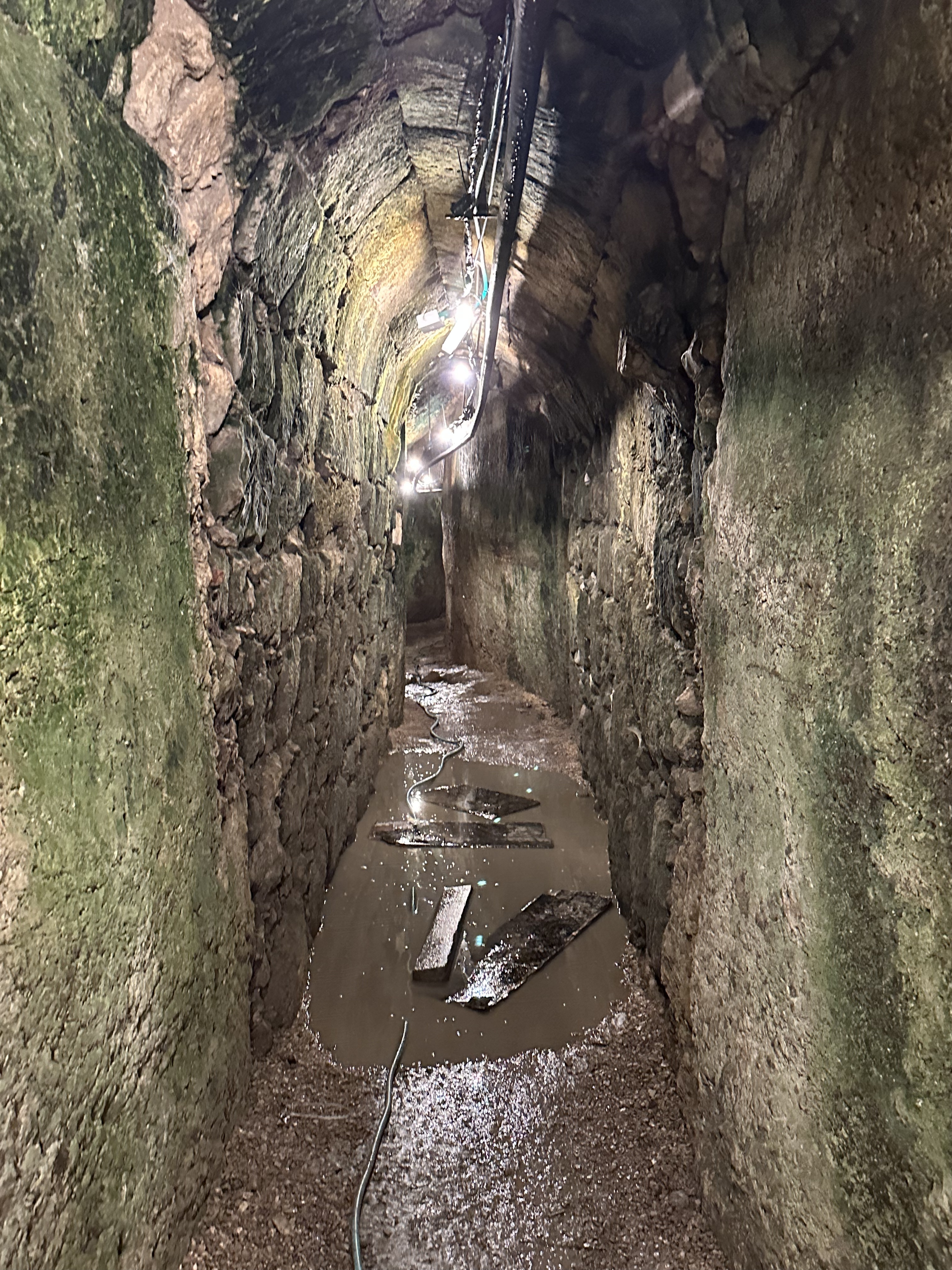
We also took a City of David tour which is an active archaeological excavation site. As such, the site changes daily with ongoing excavations. Waterproof shoes are an absolute must when trekking through the tunnels and water cisterns. Heavy rain left pools of standing water which we had to traverse and at least a few of us ended up with wet feet. This tour is through an active archaeological site and requires a moderate level of flexibility and dexterity to squeeze through confined spaces, climb ladders, and maneuver around obstacles. It’s a worthwhile tour for history and archaeological fans though it is not suitable for those with mobility impediments.

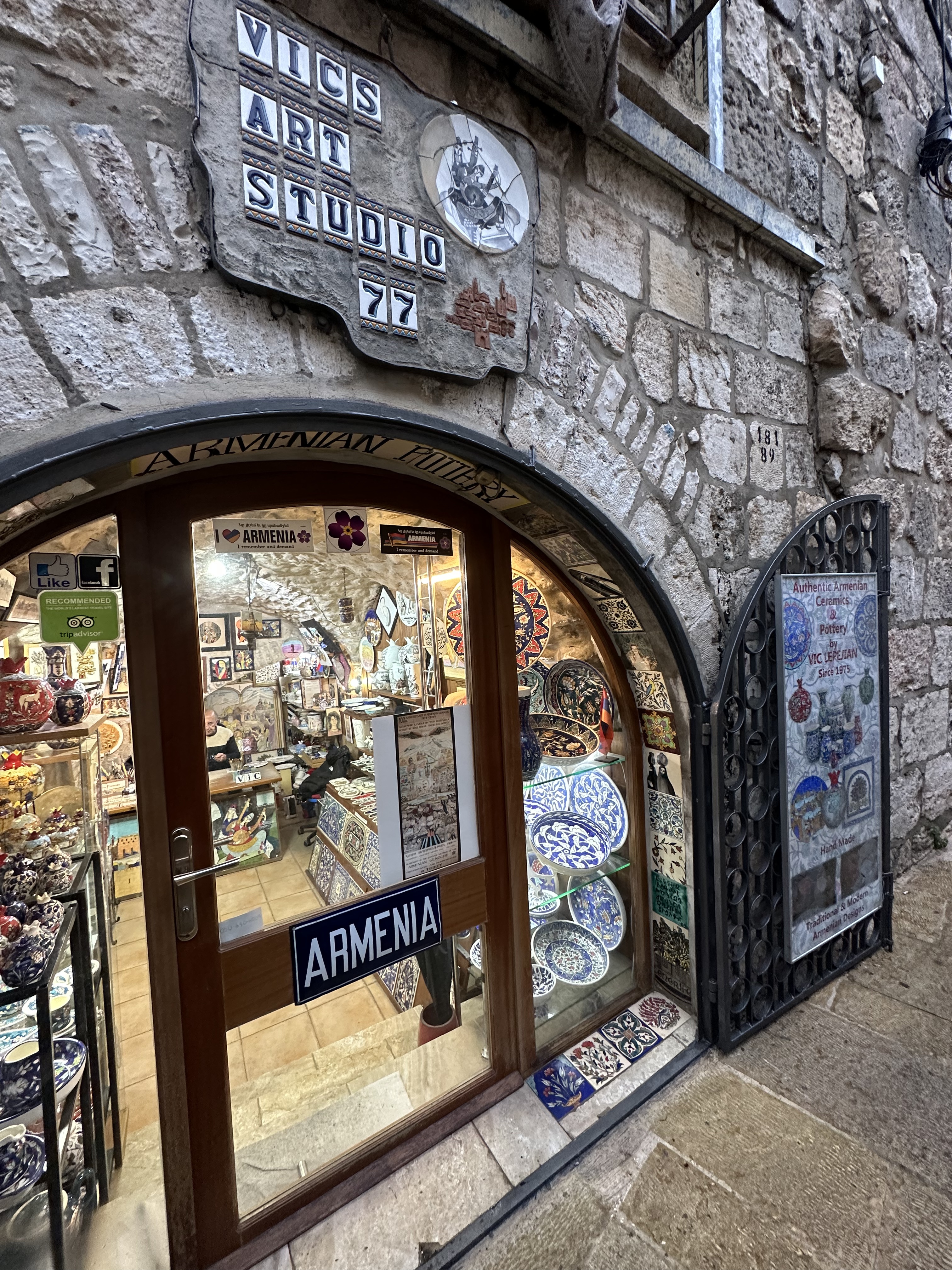
We found an amazing Armenian ceramics shop and the owner was offering a discount if purchases were made with cash so we located a permanent ATM. It sounds a bit strange to say permanent ATM and we had to leave the Old City to locate one. There were a few ATMs that we walked passed in our search because they were on trollies and carts and we were not completely confident in the security of them. The last thing any of us wanted was to have our credit card information stolen while on holiday in Israel (or any other country for that matter). At any rate, we located a permanent ATM and I was able to get the local currency which is the shekel. The Israeli shekel is valued at about 1/3 of the US dollar so 1.00 shekel is approximately $0.30 dollars. Shekels in hand, we hurried back to the ceramics shop and made good use of our recently acquired shekels.
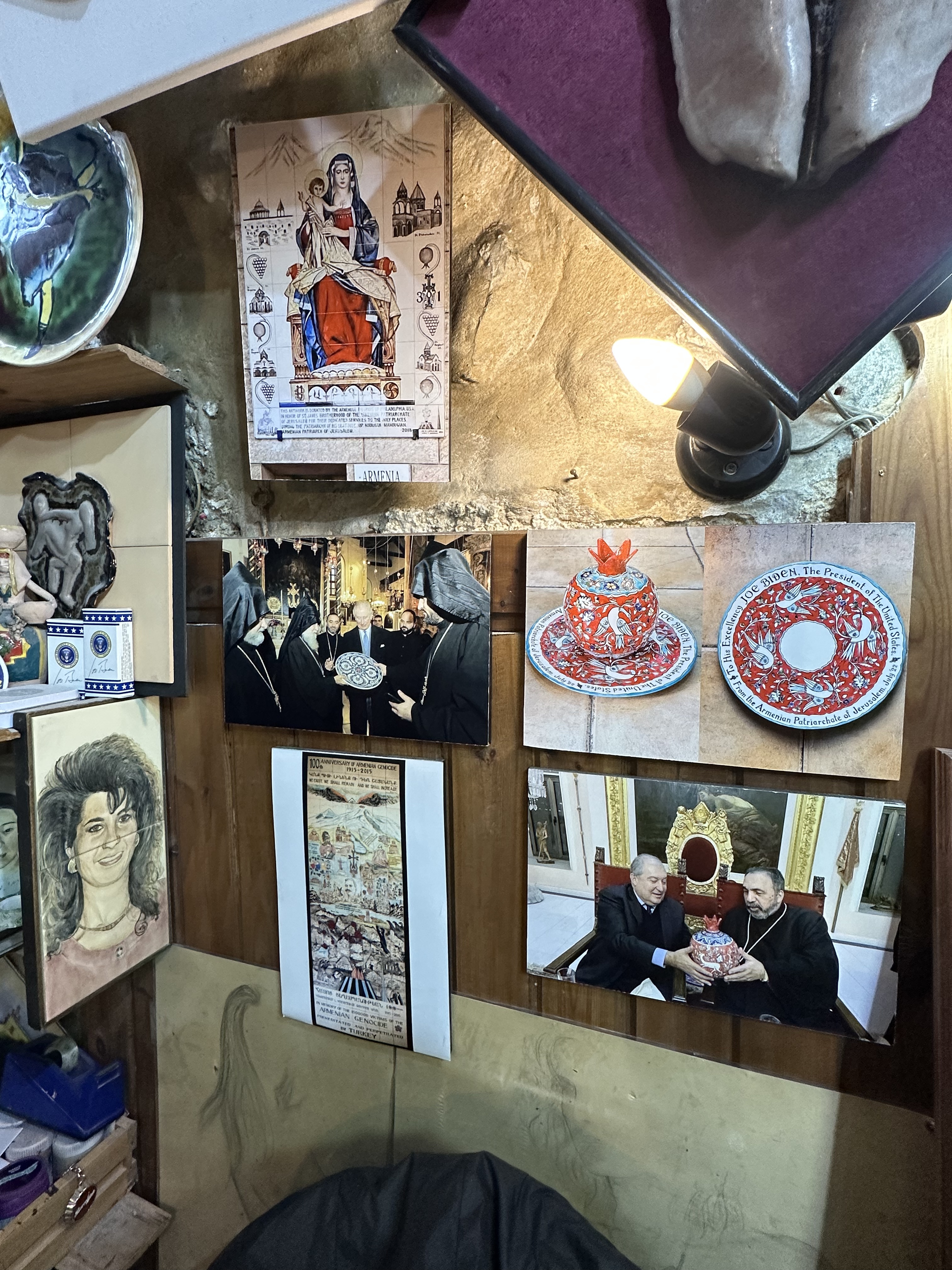
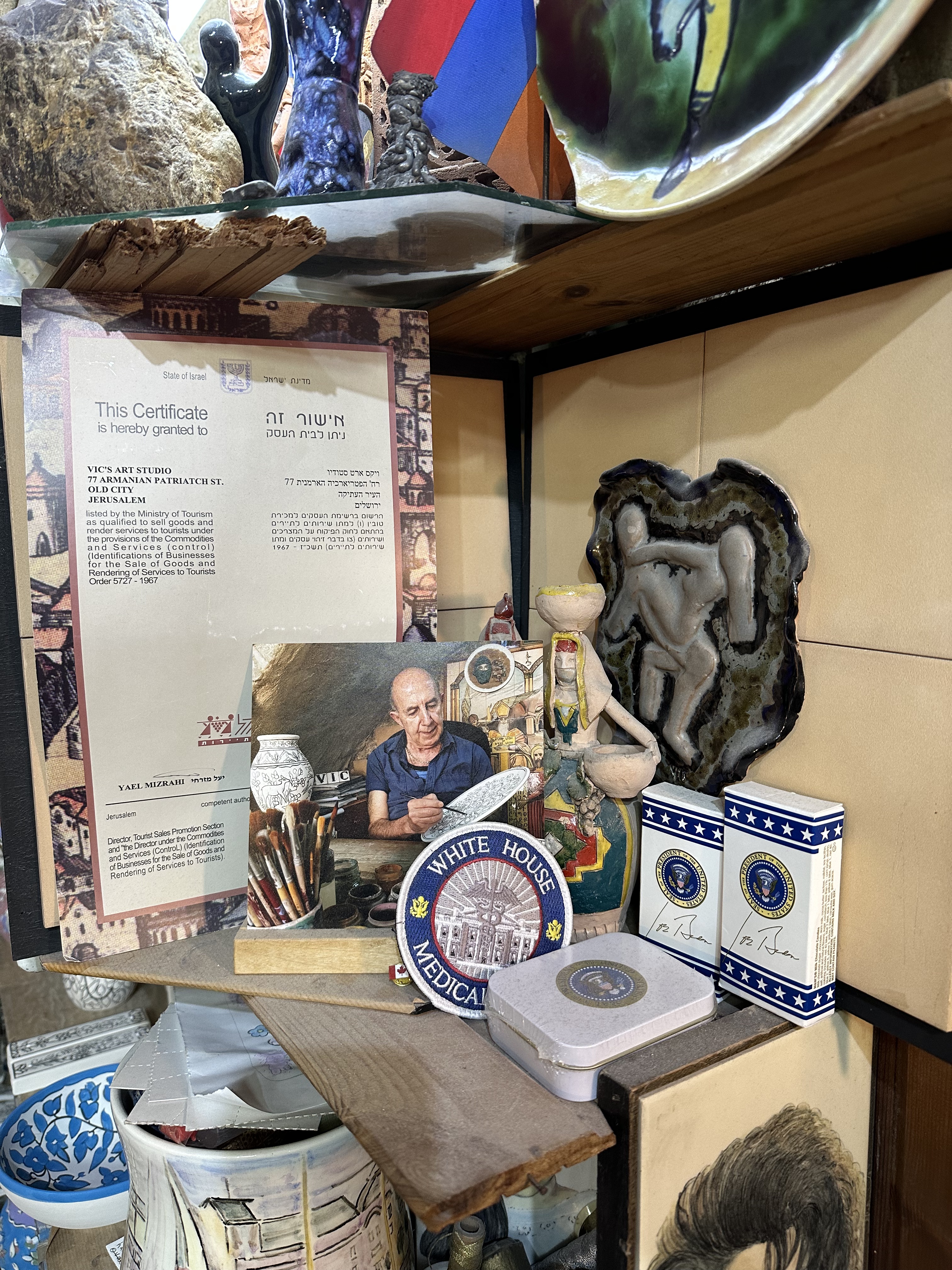
I am so glad we walked into Vic’s Art Studio in the Old City, Armenian Quarter. Established in 1975, Vic’s Art Studio is a family business started by Vic Lepejian and his son. Vic is a master in the art of handmade traditional Armenian ceramics and is known internationally for his work. Multiple heads of state have pieces from Vic’s, including President Joe Biden and King Charles III. A visit to this clean and well organized shop highlights Vic and his son working on original pieces. I was lucky enough to see Vic, his son, and his daughter-in-law working on pieces during my visit, each with their own unique style and preferences. Black and white, pastels, and vibrant reds and blues feature prominently throughout the shop. Every piece is stunningly beautiful and functional, ranging from decorative tiles to dinnerware. There is a wide range of price points, and they will do custom pieces. I regretted having relatively limited space to bring home more pieces until I learned that Vic ships internationally and is returning to international expositions post-pandemic. Hopefully I will be able to attend one of his expositions this year … or I will have to go back to Jerusalem! Check out Vic Lepejian – Genuine Armenian Ceramics and Pottery on Facebook to see some of his work.
The last activity of the day is, of course, dinner. My friend made reservations at the Mamilla Hotel Rooftop Restaurant. Again, I felt underdressed as I did not pack particularly nice dinner clothes. The feeling somewhat dissipated after we were seated and I was soon more focused on the view than any discomfort from being underdressed. The restaurant offers an beautiful overlook to the Tower of David. The rain mostly stopped though a haze hung in the air. This, combined with the lights around the base of the Tower of David, created a lovely backdrop for our last dinner in Israel.
Day two in Israel was a great success! My top three things I want to come back for are:
- Another visit to the Western Wall,
- Another visit to Vic’s Art Studio, and
- Time to explore the area outside the Old City walls including Kidron Valley and Mount of Olives.
 Travel with Fleming
Leave a comment