
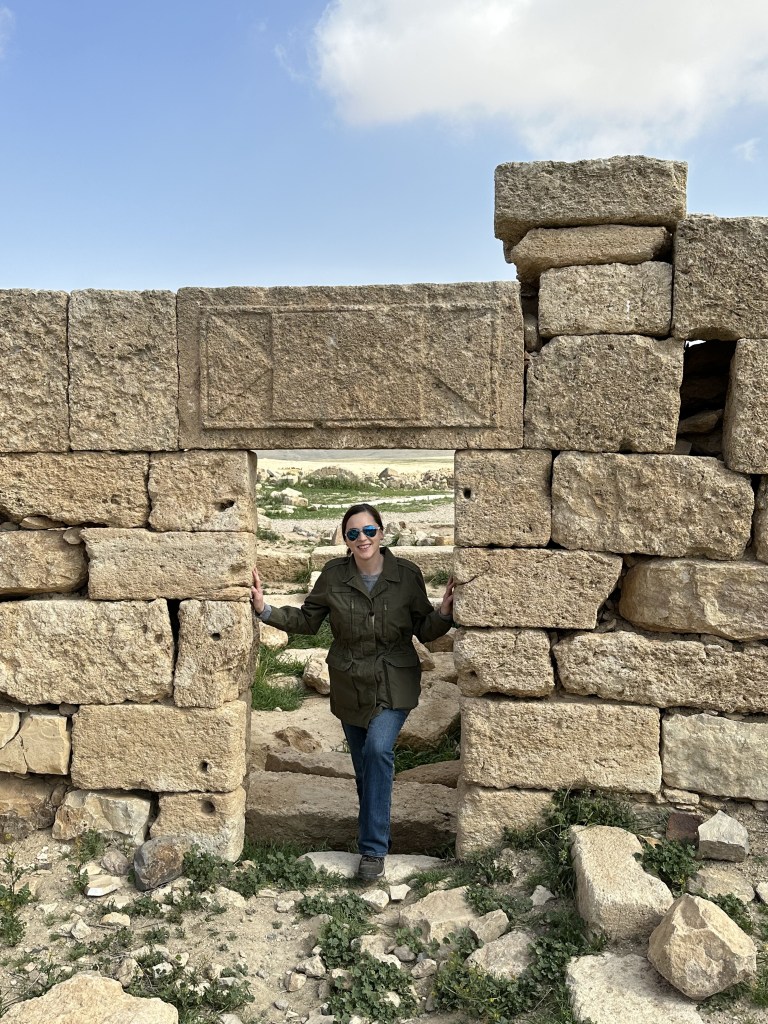
Umm Ar Rasas is a completely unassuming area and, had it not been for my friend telling me it was worth a visit, I would have passed without knowing that I was missing a UNESCO World Heritage Site. Originally a Roman garrison town built to house the Roman Legion and defend Rome’s most remote borders, Umm Ar Rasas is an active archaeological site with remnants of the Roman, Byzantine, and Early Islamic periods. Much of the area remains unexcavated. Walking platforms are being installed in various areas and a large hanger has been installed over the Church of St. Stephen.
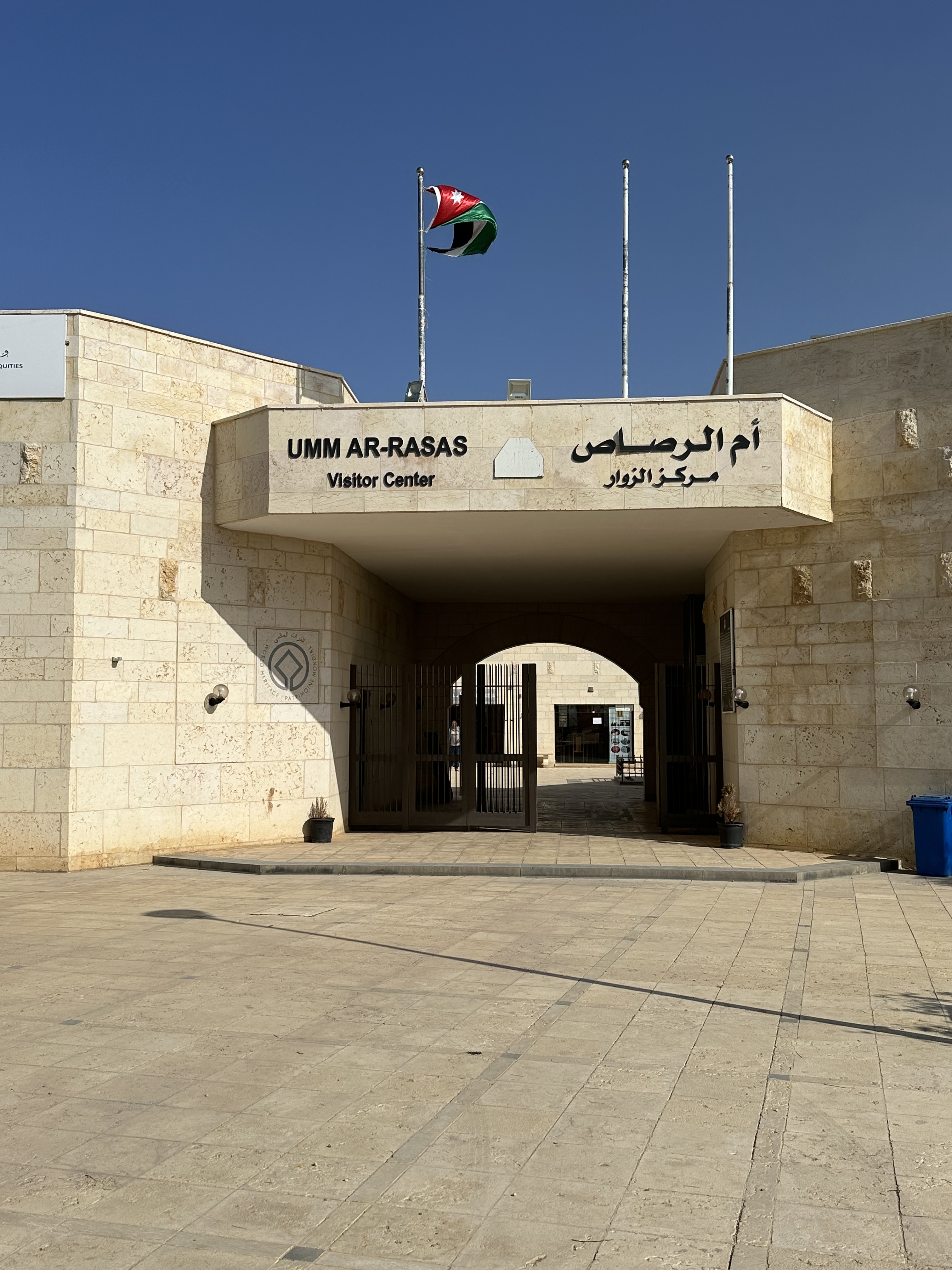

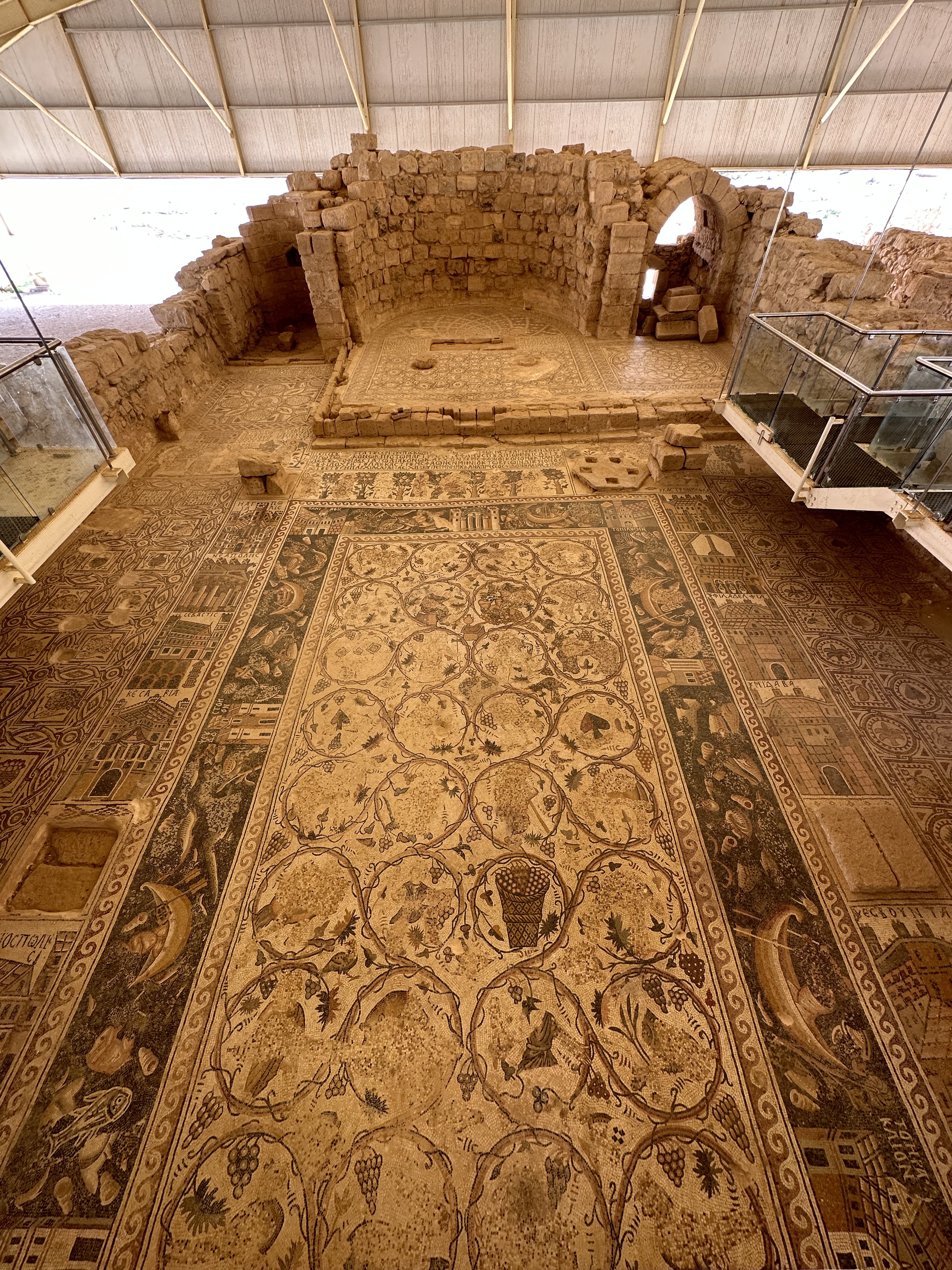
There are 16 churches on the sight though the Church of St. Stephen is the most well known due to the mosaic with the region’s towns represented. You can explore the ruins to appreciate the size and scale of structural stones, beautifully functional arches, and intricate detail of stone carvings. The mosaic in the Church of St. Stephen is absolutely stunning and it was the first mosaic of any real scale I saw. With depictions of hunting, fishing, agriculture, scenes of daily life, and a reference to the cities in the region, the mosaic tells the story of life in Umm Ar Rasas. The size of the mosaic as a whole is impressive and, once you understand the size of the individual stones of the mosaic, you respect the time and effort that was put into creating this masterpiece.
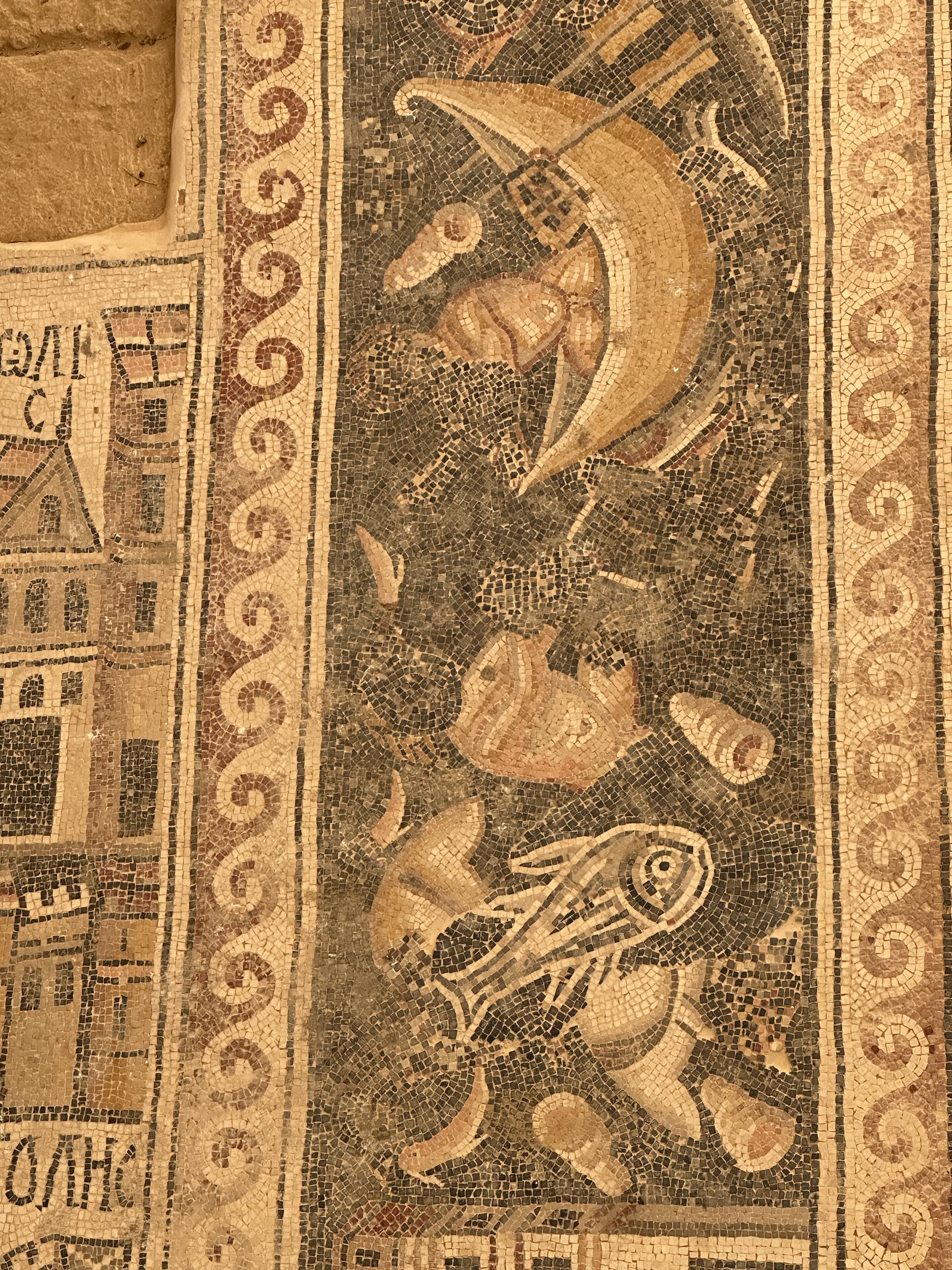
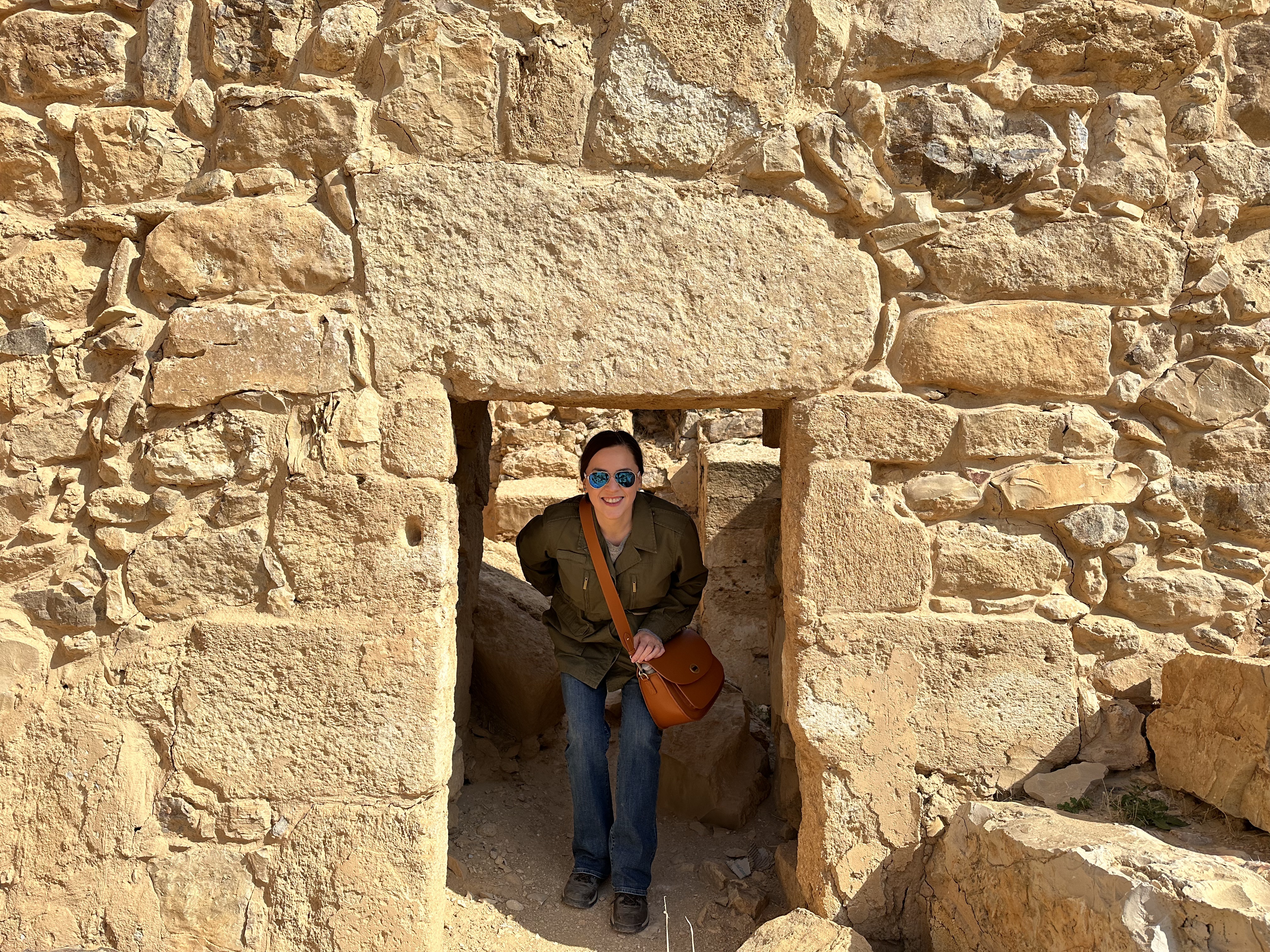
As you wonder through the other ruins you are likely to see tarp-like material that is used to cover mosaics which have not yet been fully excavated. We stumbled across an area of mosaic that did not have a tarp or other material over it and it gave us a sense of the excitement archaeologists must feel as they gently brush away the sand to reveal a bit of history. You can easily spend a couple hours walking through the ruins and appreciating the mosaics.
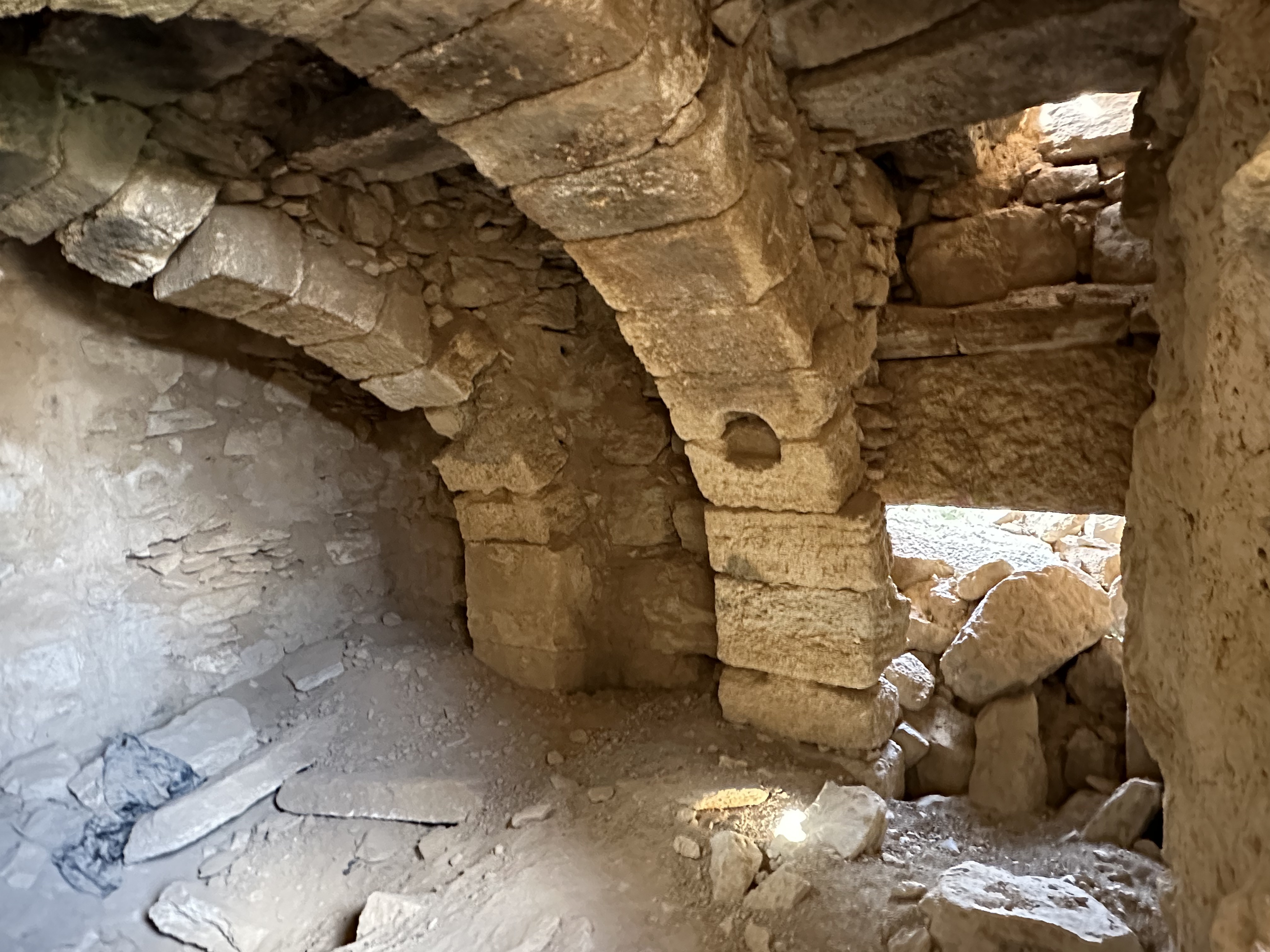
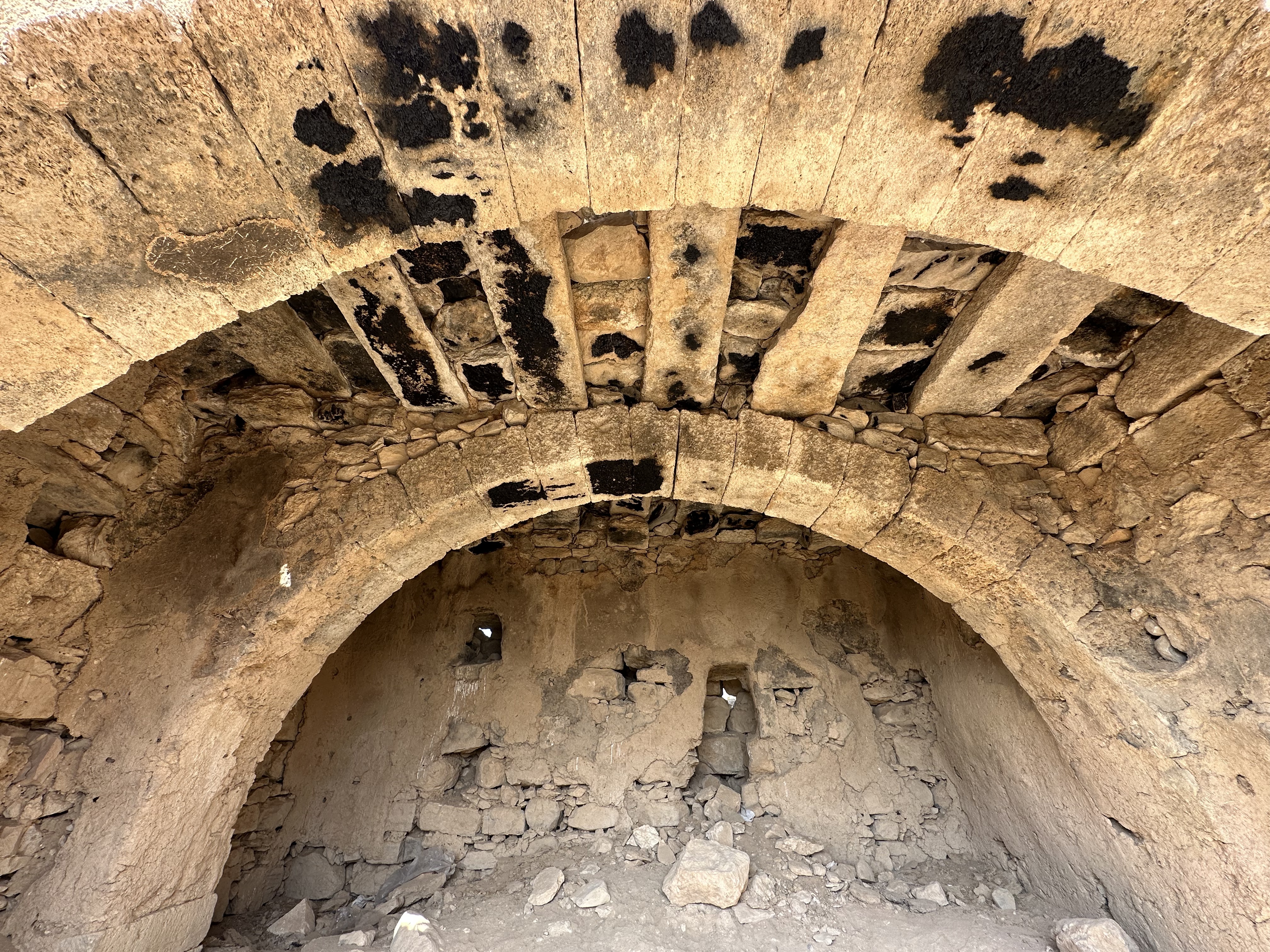
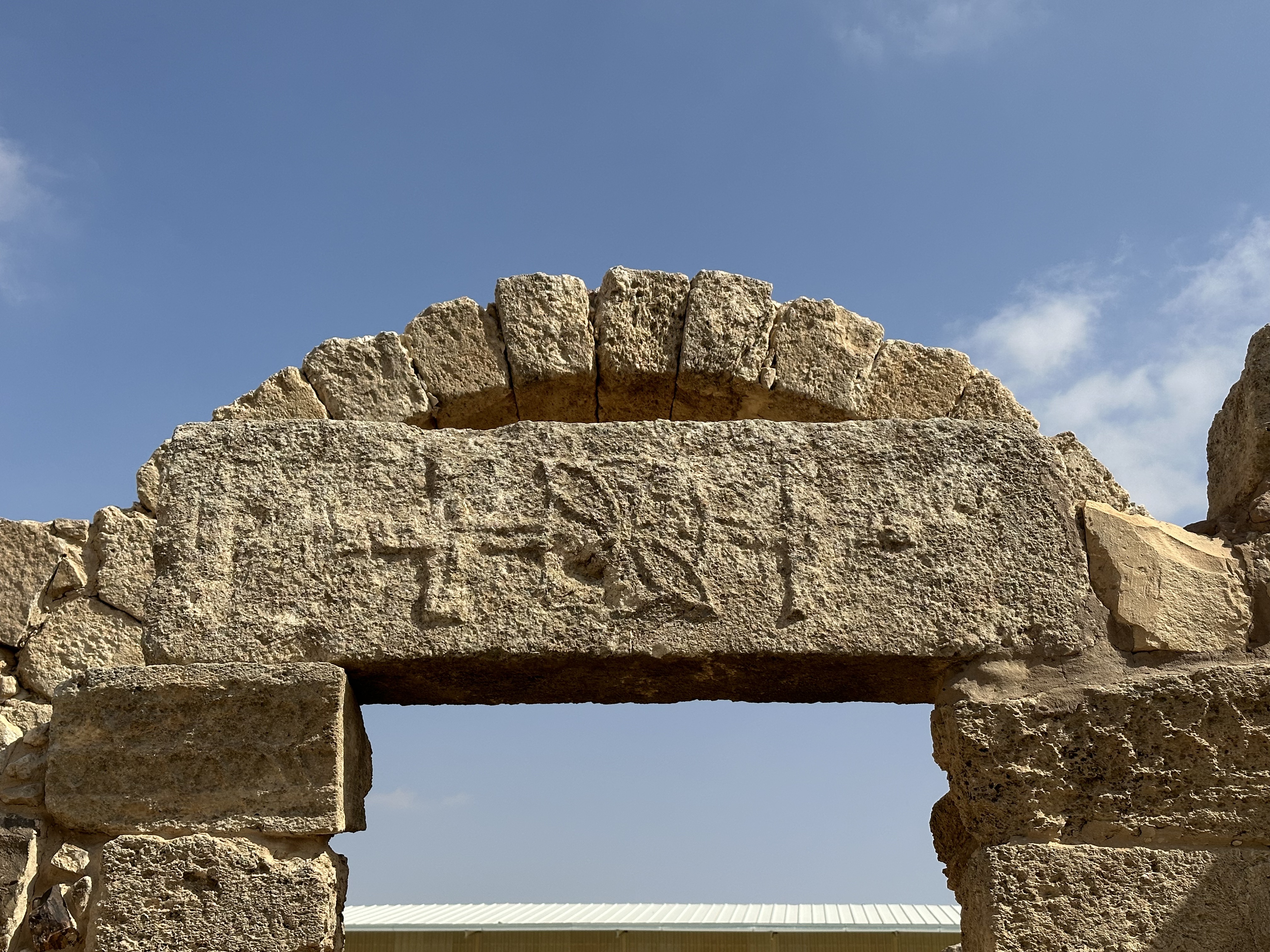

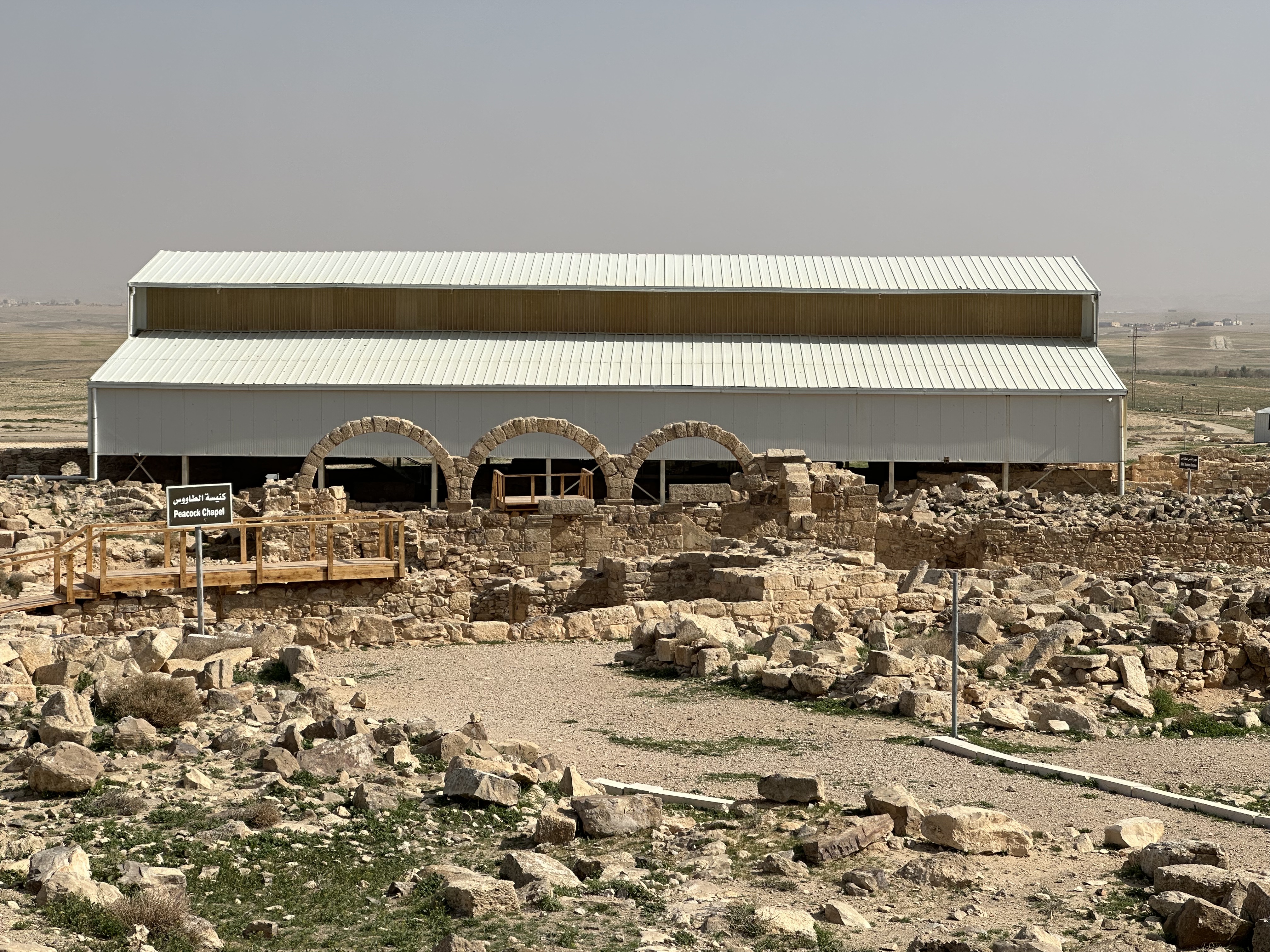
A short drive north of the Umm Ar Rasas ruins is a stone tower with windows at the top but no stairs inside. Crosses decorate the tower and some monastery buildings lie in ruin nearby. Archaeologists speculate that the tower was used by early Christian hermits who lived at the top of pillars. A fence at the base of the tower prevents visitors from getting too close to the actual tower. It is a photo op but spend the bulk of your time at the Umm Ar Rasas ruins and the Church of St. Stephen mosaics.
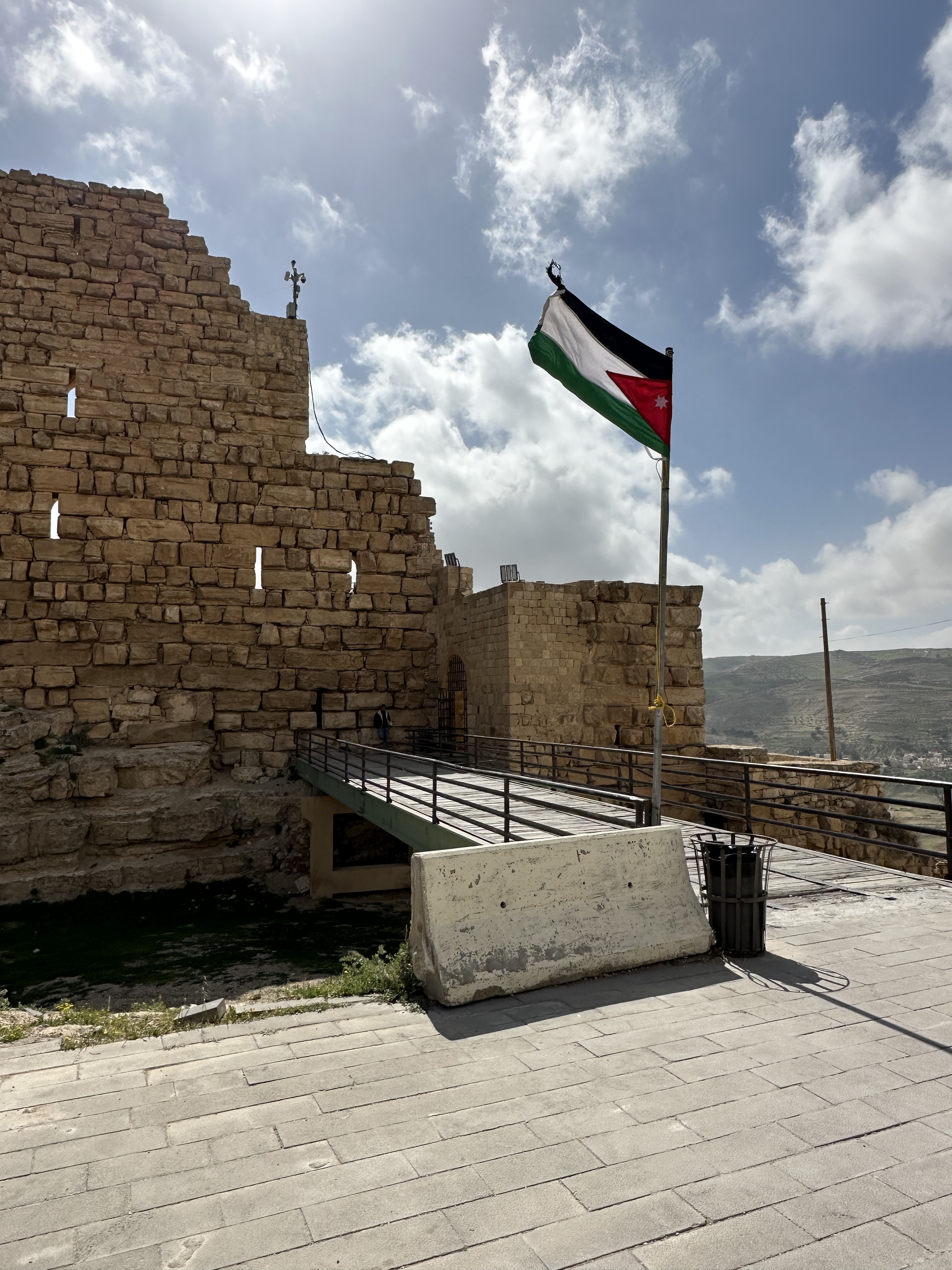
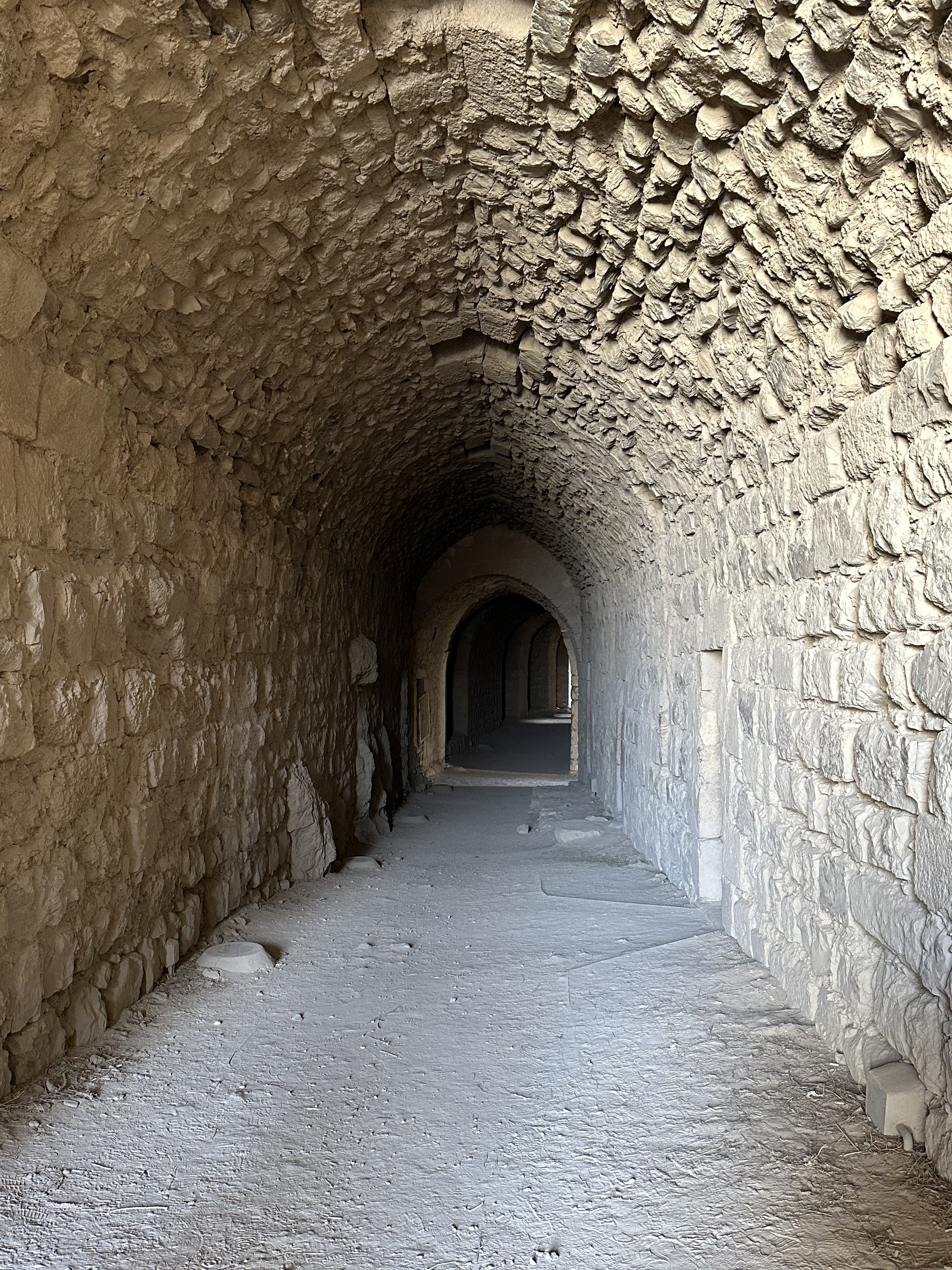
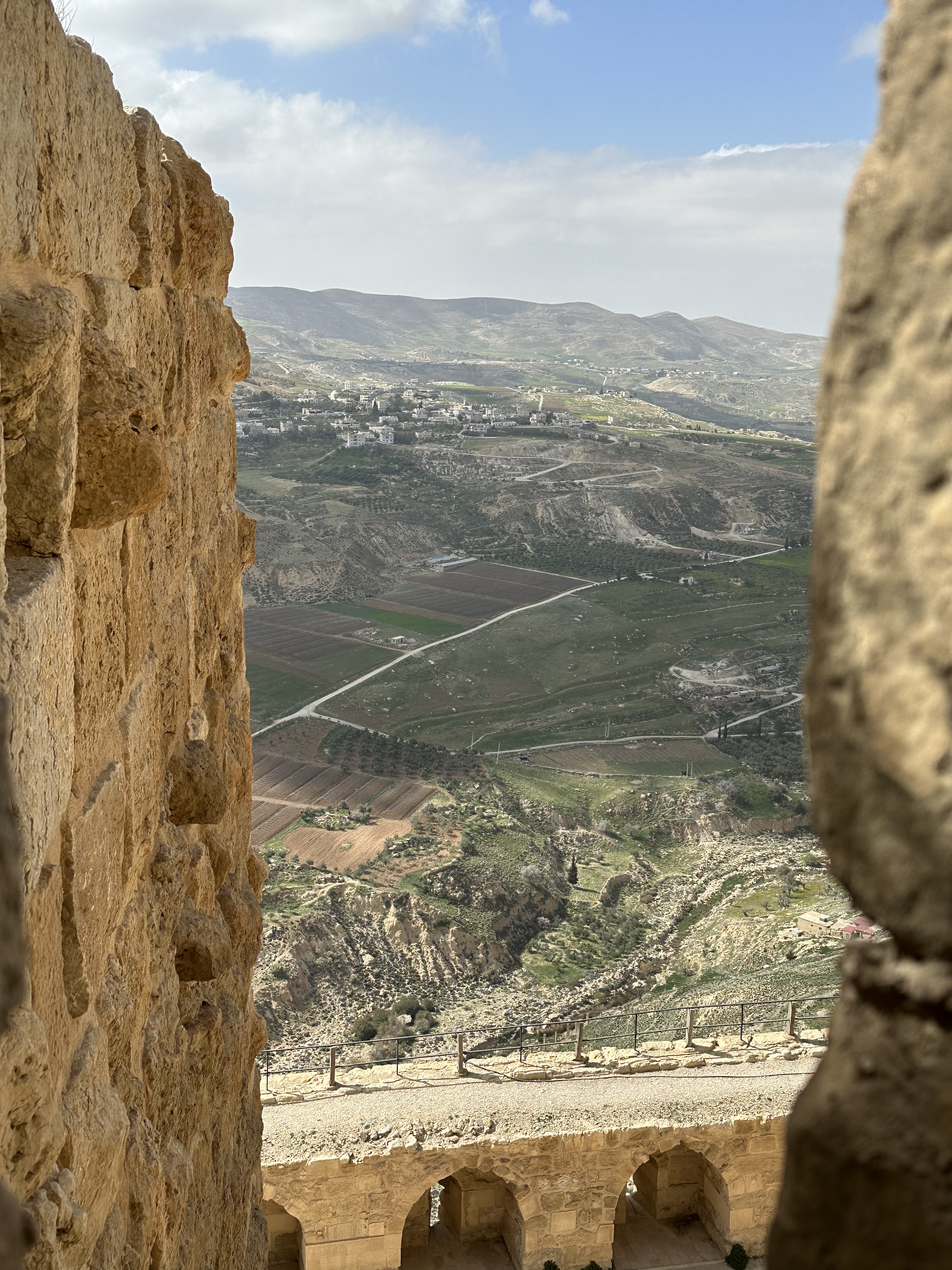
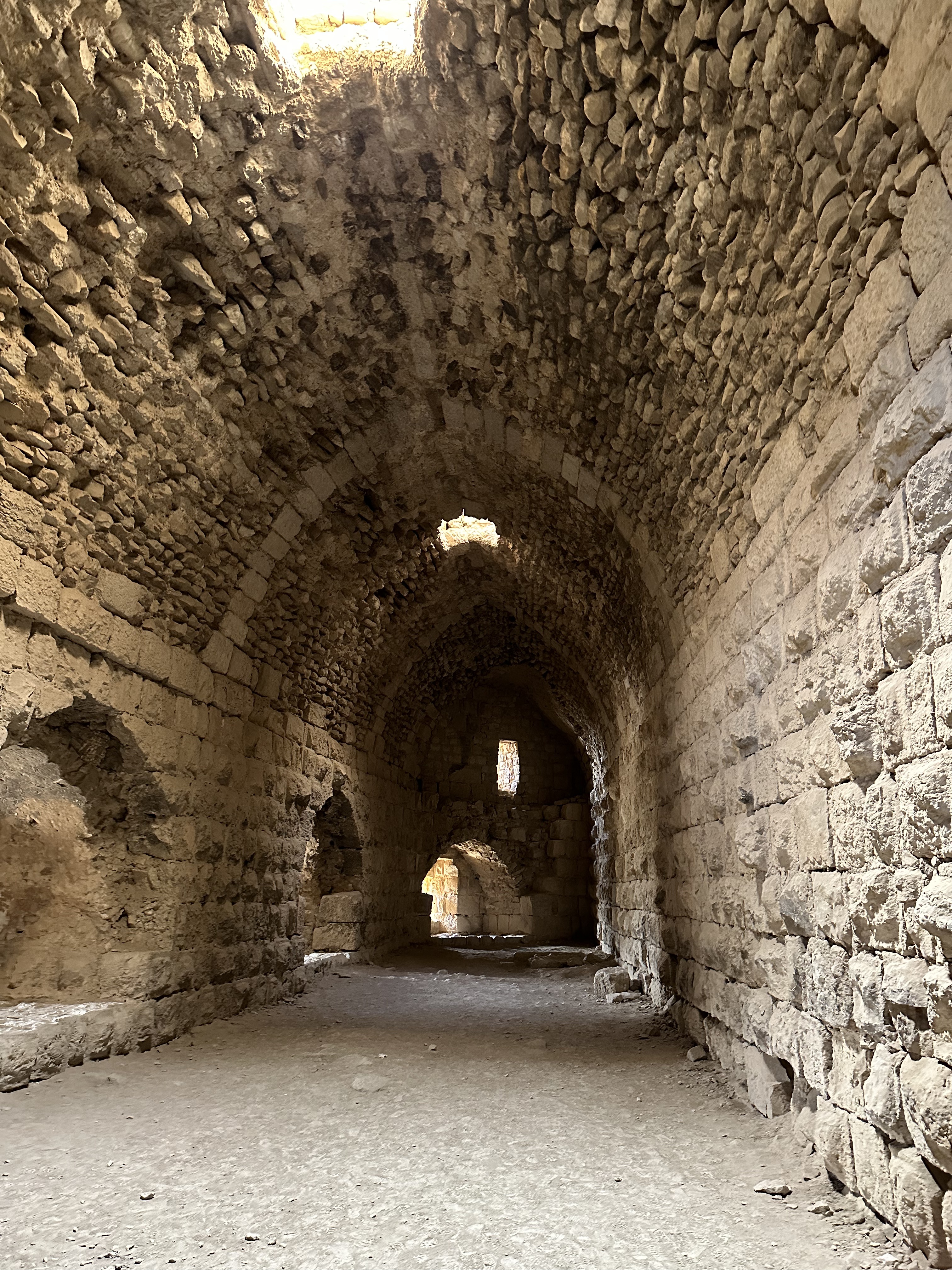
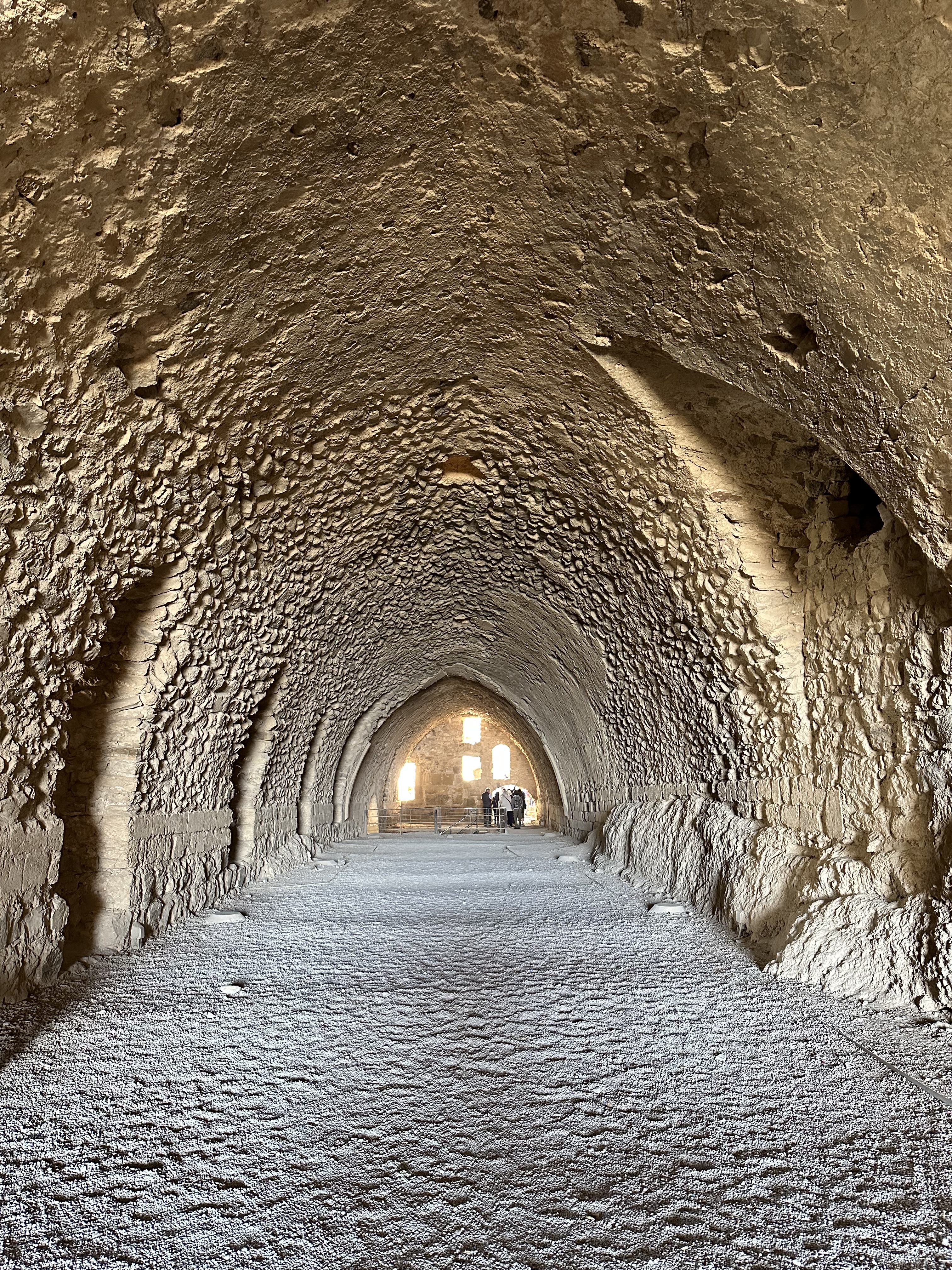
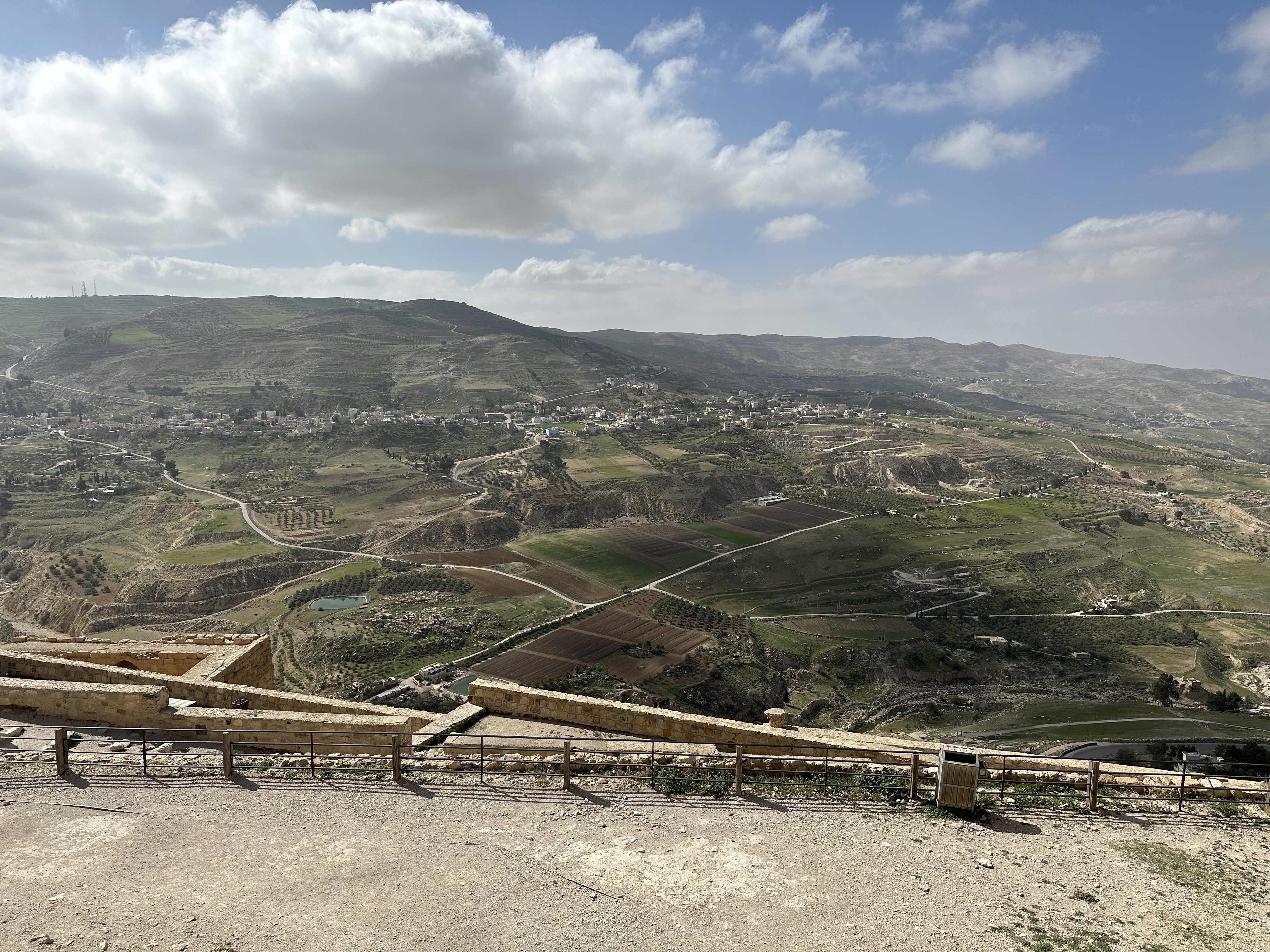
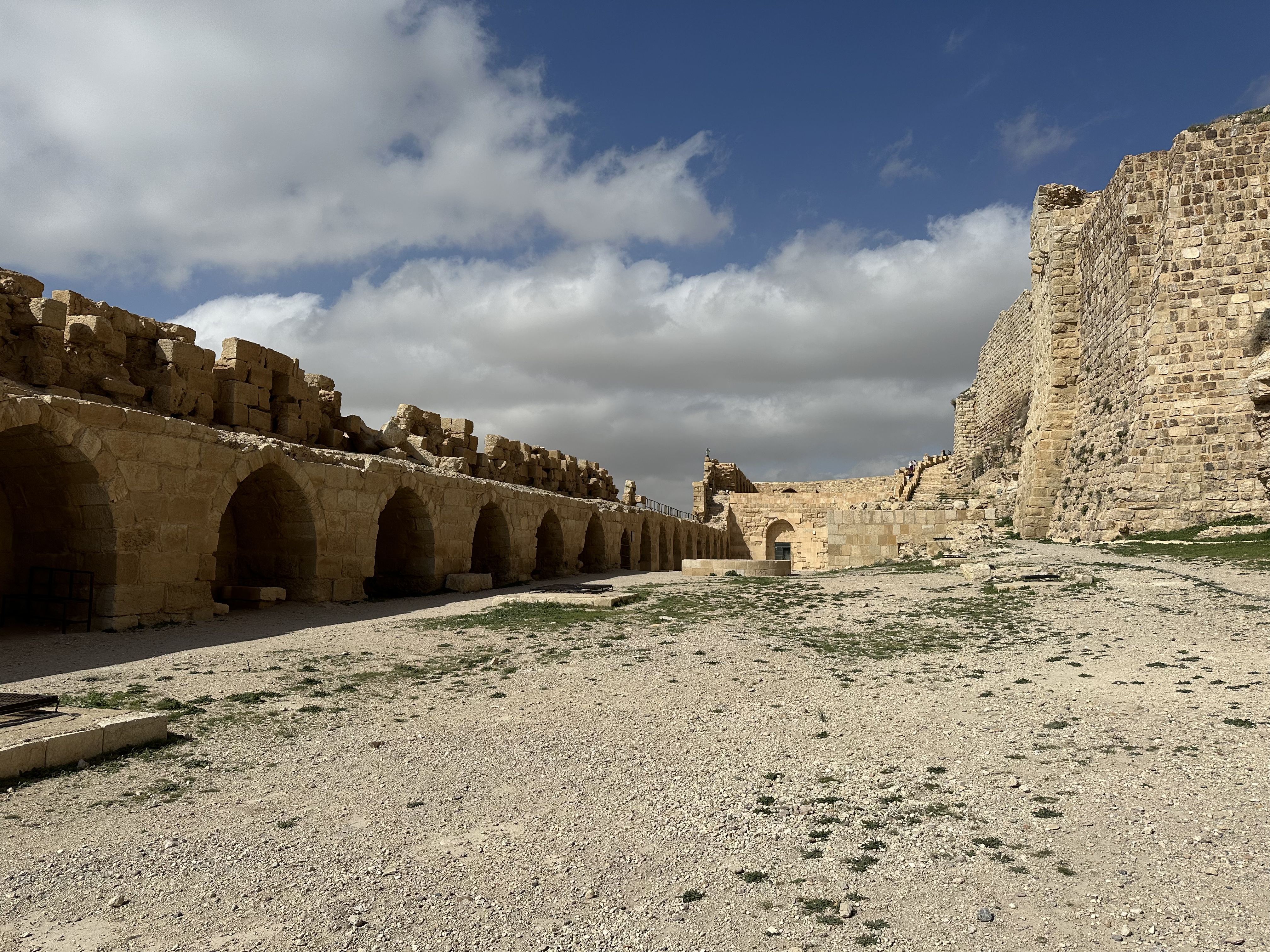
In Karak, a fortified castle sits atop the hill with a modern town growing around it. This ancient Crusader stronghold is a place of legend in the battles between the Crusaders and the Islamic armies. Karak Castle is one of the most famous and most intact Crusader castles remaining in Jordan. There is a Crusader castle loop that can be driven to see more ruins but we did not think it was worth the drive time to see ruins when that time could be spent at Karak and other, more appealing, sites. Ajloun and Karak are my two recommended Crusader castles.
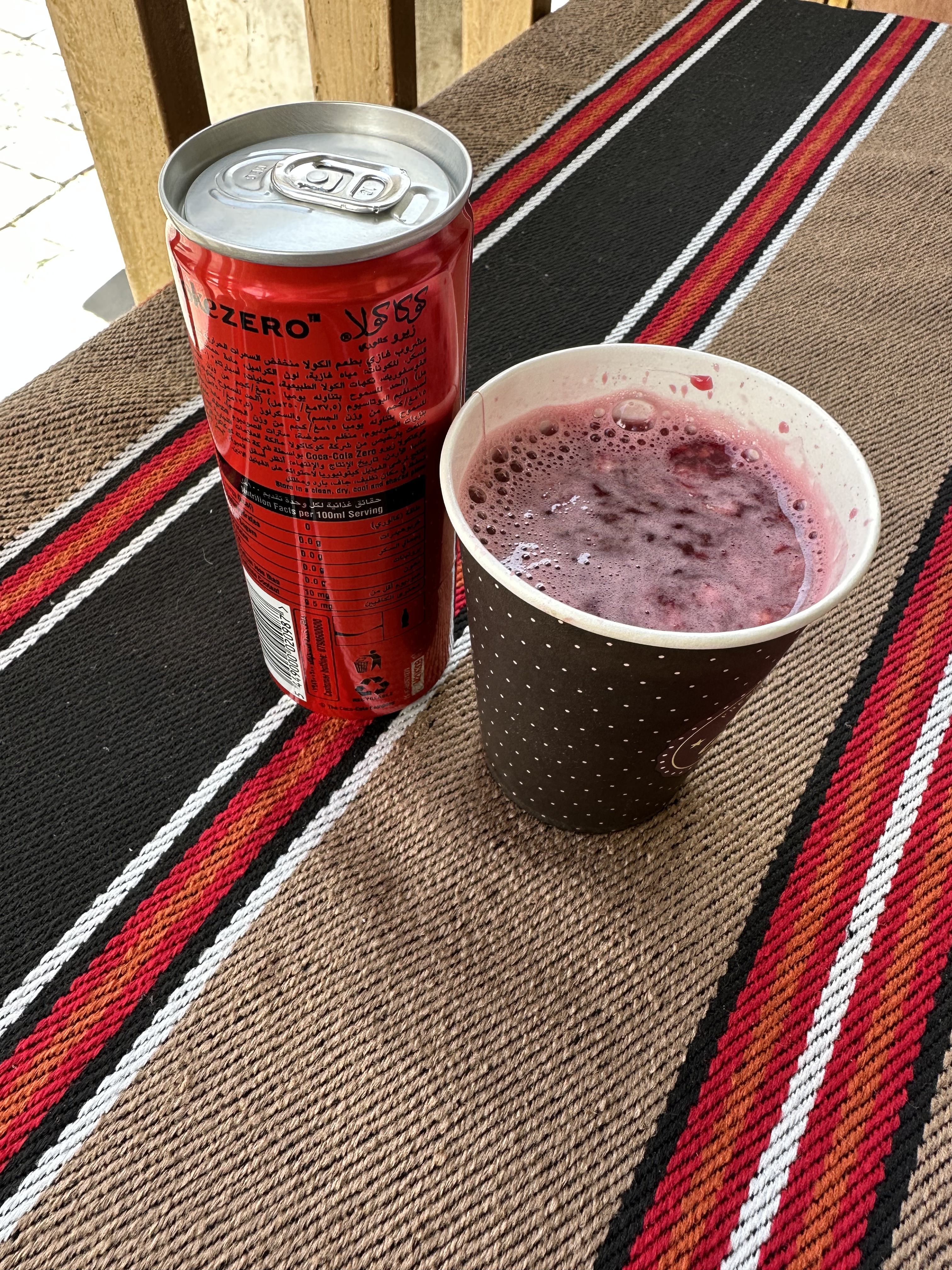
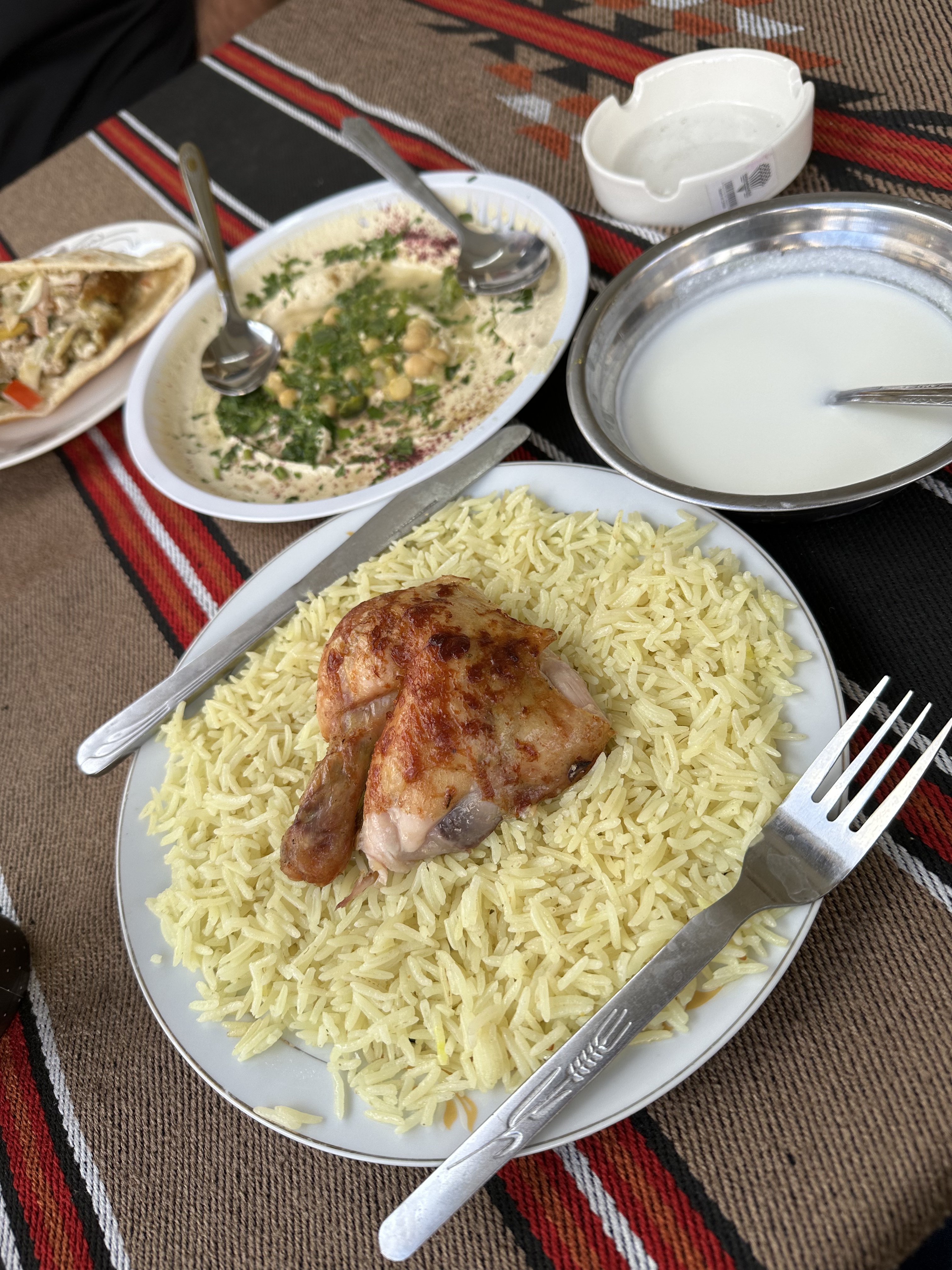
It was early afternoon when we arrived in Karak and that meant we were ready for lunch. Near the entrance to the castle is the aptly named Castle Restaurant (intersection of Al Qal’a Street and Al-Maaita Street) which is another unassuming little place serving up inexpensive, fresh, good food. Sit in the outdoor dining area, enjoy the Arab hospitality, and people watch. Our food arrived quickly and both the hummus and mansaf chicken were good. The highlight of the meal though was the freshly squeezed pomegranate juice. Let me tell you, when you have the opportunity, order the pomegranate juice. Order two. It is delicious with the perfect balance of sweet and tart from the fresh, ripe pomegranates. One approximate 8 ounce serving takes two and a half pomegranates because that is literally all that goes into it … no added sugars or water to dilute it. It’s just pure, delicious pomegranate juice and it was worth every cent of the 3 dinar it cost. (Side note: if you have tips on how I can get this pure delightfulness in the US please let me know because POM Wonderful is not as wonderful as this was.)

Now that I have told you about lunch and my new fascination with freshly squeezed fruit juice, let’s talk about Karak Castle. I recommend bringing an extra layer and a hat because the castle sits on a hill and it is windy. The temperature in March fluctuates considerably and it was actually quite cool the day I visited and the wind made it cold. A flashlight (not the one on your phone) can also be very handy to explore areas of the castle with less light so you can spot the uneven stairs and low ceilings. The Jordan Pass gets you into the site and the castle is walkable so you can explore on your own. There will be “guides” who start talking to you as soon as you walk in and they’ll tell you about certain areas, the use, the history, etc. These guys are looking for a tip and some of them are pretty good. If you want to walk it on your own a firm but polite “no thank you” should do the job.


At this point the chilly temperature and the jet lag started to really hit me so we made our way to the car and drove back to Amman. There wasn’t quite enough time for a nap before dinner but it was nice to sit down and rest for a bit. The three of us went to dinner at Ceviche which is a Mexican restaurant. We shared an order of nachos as an appetizer and I ordered a trio of tacos for my entrée. The “taco chicken fajita” was juicy chicken strips with crunchy bell peppers, caramelized onions, and fresh tomatoes (and the bell peppers were crunchy). I wasn’t too sure of the first bite but ended up really liking the textural contrast of the juicy chicken with the soft onions and crunchy peppers. The “taco Suadero” was actually my favorite taco with fork-tender brisket seasoned with garlic, onions, laurel, and topped with guacamole and salsa. It was good from the first bite to the last. The “shrimp taco” was standard but good and I liked the lemon mayo topping. Ceviche had good food though I would describe it as a Baja-Mexican restaurant.
If I were to describe today as a math equation, it would look something like this:
A Fun Day of Adventure + Good Food + Good Company + Jet Lag = Early Bed Time.
 Travel with Fleming
Leave a comment